The Silent Epidemic: 5 Terrifying Stroke Symptoms Striking Young People Today
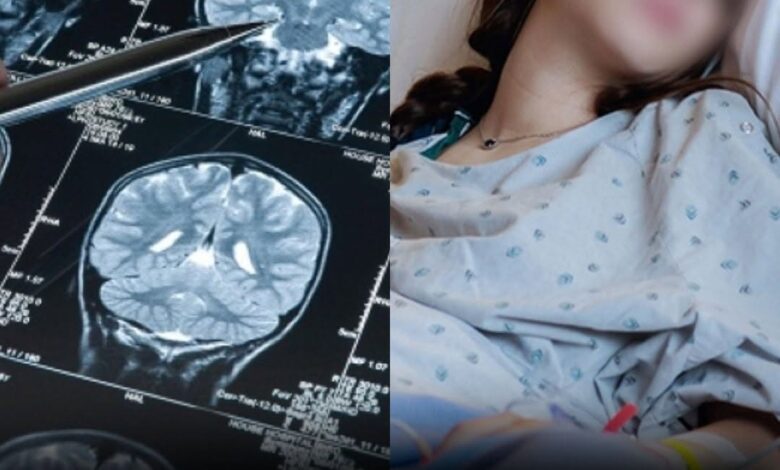
You are young, fit, and invincible, so a stroke is the last thing on your radar—but that mindset is exactly what makes you a target. The medical establishment is sounding a frantic alarm: the rate of strokes in individuals under 50 is skyrocketing, with a 40% surge in diagnoses over the past few decades. This isn’t just happening to the elderly anymore. A massive 15% of all strokes now strike people in their prime, leaving lives shattered in an instant. If you think you’re too young to be at risk, you are dead wrong, and ignoring these five silent signals could cost you your future.
The assumption that strokes are reserved for the silver-haired generation is a lethal misconception. Modern life has introduced a complex web of risk factors that are pushing younger bodies to their breaking points. While classic contributors like hypertension, diabetes, and blood clotting disorders remain central, younger demographics are now facing a unique storm of threats. Obesity, smoking, chronic stress, heavy alcohol consumption, illicit substance use, and uncontrolled cholesterol are fueling this fire. Furthermore, genetic predispositions—such as sickle cell disease—can strike as early as childhood, creating a lifelong vulnerability. You need to understand that a stroke is a catastrophic event where blood flow to the brain is interrupted, and every single second you wait to address the symptoms, millions of your brain cells are dying.
The first, and perhaps most jarring, warning sign is an intense, thunderclap headache. We have all had bad days where a tension headache settles in, but a stroke-related headache is entirely different. It is an abrupt, excruciating pain unlike anything you have ever experienced—a sensation that feels as though something is shattering inside your skull. This often signals a hemorrhagic stroke, where a blood vessel has ruptured and is actively bleeding into the brain. This is a medical emergency of the highest order. If you are ever struck by a pain so severe that it takes your breath away and seems to appear out of the void, do not “sleep it off” or reach for an aspirin. You need to get to an emergency room immediately, because neurological deterioration can happen in the blink of an eye.
The second sign you must be hyper-aware of is sudden, unexplained numbness or weakness. This is typically characterized by a terrifying loss of sensation or strength that hits one side of your body. You might find that you cannot lift your arm, that your face feels like it is sagging, or that one leg has suddenly gone limp. This happens because the stroke has cut off the blood supply to a specific, critical region of your brain—the very region responsible for motor control and sensory perception. If you try to smile and your face feels uneven, or if you attempt to walk and your leg gives out, your body is effectively shutting down its connection to its own limbs. This is not the time to be stoic; it is the time to act.
Third, look for major disruptions in your ability to speak or process language. A stroke can manifest as sudden, profound confusion or an inability to articulate thoughts. You might know exactly what you want to say, but when you open your mouth, the words come out as slurred, garbled nonsense. Alternatively, you might find that you can hear people talking to you, but their words make absolutely no sense, as if they are speaking a language you have never heard. This occurs when the language centers of your brain are deprived of oxygen. Sometimes, these symptoms are subtle—a slight hesitation, a dropped word, or a moment of bewilderment. If you or someone you are with suddenly starts behaving as if they are in a fog, do not brush it off as simple fatigue. Test them. If their speech is altered, the clock is ticking.
Fourth, pay close attention to your vision. A stroke can cause sudden, dramatic changes in your eyesight. This might manifest as a complete loss of vision in one eye, blurred vision, or the sensation that half of your visual field has simply vanished. Because the brain’s visual processing centers are located at the back of the skull, a stroke can easily interrupt the signal from your eyes to your brain. If you find yourself bumping into objects on your left or right side, or if your world suddenly goes dark or distorted without a clear, physical injury to your eye, this is a signature indicator that the problem lies deep within your brain.
Fifth, watch for sudden, unexplained balance issues. When blood flow to the cerebellum—the part of the brain that controls coordination and balance—is compromised, you may feel as though the ground is being pulled out from under you. You might experience sudden dizziness, a total loss of coordination, or the inability to walk in a straight line. Many young people mistake this for being “lightheaded” from low blood sugar or dehydration, but when paired with any of the other symptoms listed, it is a glaring red flag. Your body is losing its internal gyroscope.
The most important takeaway is that time is the only variable that matters. In the medical world, we call this “Time is Brain.” For every minute that passes during a stroke without intervention, the damage to your neurological architecture becomes more permanent. You cannot afford to wait and see if you feel better in an hour. You cannot afford to hope it is just a migraine or exhaustion. If you notice these signs, call for emergency services immediately. Inform the dispatchers that you suspect a stroke. By being vigilant about these symptoms and understanding that your youth is not a shield against medical crisis, you are taking the most important step in protecting your life. Do not fear being wrong—fear the cost of being right and doing nothing.