Life Without Your Gallbladder: The Brutal Truth About What Happens After Surgery
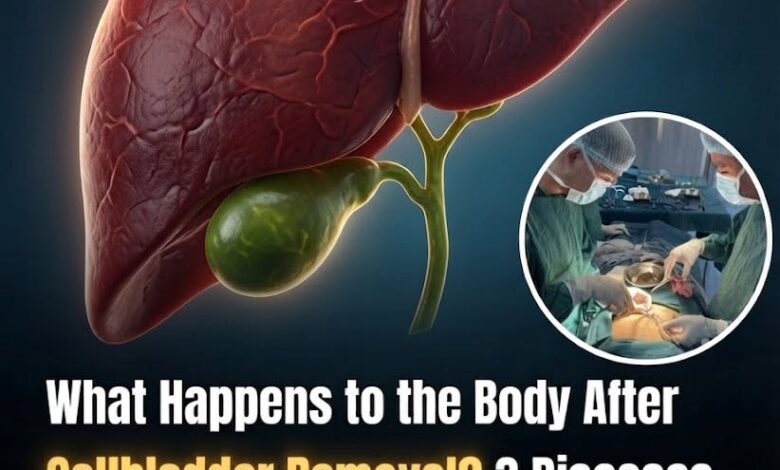
You’ve finally had the gallbladder removed, convinced the agonizing pain and those recurring, sleepless nights are behind you forever. But just days into your recovery, a terrifying reality sets in: your body is rebelling, and your digestive system feels completely broken. Is this the “relief” you were promised? Many patients are shocked to discover that life after a cholecystectomy isn’t just about recovering from an incision—it’s about navigating a permanent, often messy, and confusing physiological shift. The medical establishment rarely tells you the full, unfiltered story of what truly happens when you lose this vital, pear-shaped organ.
Gallbladder removal, or cholecystectomy, is one of the most frequently performed abdominal surgeries in the world, usually recommended for chronic gallstones, inflammation, or biliary colic. It is often sold as a simple “fix” that will allow you to return to a normal, healthy life. While it is true that most people do lead healthy lives post-surgery, the transition phase is rarely the walk in the park that surgeons describe. You are fundamentally altering the way your body processes sustenance, and your internal architecture needs time to rewrite its own rulebook.
To understand why your body is in chaos, you must first understand the gallbladder’s silent, heavy lifting. This small organ, tucked neatly beneath your liver, functions as a high-pressure storage tank. It collects bile produced by your liver, concentrates it, and then releases it in precisely timed, potent bursts whenever you consume fat. When you remove this tank, the liver’s bile no longer has a dedicated parking spot. Instead, it drips continuously into your small intestine. This constant, unregulated flow is a massive departure from your body’s previous, efficient rhythm, and your digestive tract is, quite frankly, struggling to keep up with the new, erratic supply chain.
The most immediate and distressing symptom for many is a sudden, often violent onset of diarrhea. Because bile is now constantly dripping into your intestines, it acts as a persistent laxative, stimulating bowel activity far more than your system is accustomed to. This can lead to urgent, frequent trips to the bathroom that seem to strike immediately after meals, often accompanied by cramping and bloating. For a significant number of patients, this is not just a passing inconvenience; it is a lifestyle-altering hurdle that can persist for months. While there are medical interventions available if this bile acid-related diarrhea becomes chronic, the initial adjustment period can be physically and emotionally draining.
Furthermore, you will likely find that your relationship with dietary fat has changed irrevocably. Pre-surgery, a greasy burger or a cream-heavy pasta dish might have triggered a gallbladder attack. Post-surgery, these same foods may trigger severe indigestion, intense gas, and profound bloating. Your body no longer has that concentrated reservoir of bile to help emulsify these fats, leading to malabsorption and discomfort. You aren’t necessarily doomed to a lifetime of bland, fat-free eating, but you are entering a period where your tolerance levels are drastically lower. You must learn to reintroduce fats into your diet with extreme caution, favoring healthy, moderate portions over the heavy, processed meals that defined your old habits.
There is also a prevalent, dangerous myth that removing the gallbladder is a shortcut to weight loss. Many patients enter the operating room hoping for a leaner future, only to be disappointed. While some people do drop weight during the immediate, painful recovery phase because they are eating significantly less, this is not a sustainable weight-loss strategy. In fact, once your appetite returns and your body stabilizes, most people gravitate back to their baseline weight. Your metabolism does not magically speed up because your gallbladder is gone; sustainable weight management remains entirely dependent on your diet, physical activity, and overall lifestyle choices.
It is also important to address the psychological toll of this surgery. We often underestimate how closely our gut health is tied to our mental state. When you are dealing with chronic diarrhea, unpredictable bloating, and the constant, lingering anxiety of “needing to find a bathroom,” your social and professional lives can begin to shrink. It is essential to remember that these changes, while frustrating, are often part of a necessary adjustment. The body is an incredibly adaptable machine; for most, the digestive system will eventually find a “new normal” where the bile drip is managed more effectively.
If you are currently navigating this recovery, keep a meticulous food diary. Identify exactly what sets you off—is it dairy? Is it deep-fried oils? Is it the size of the portion? By mapping your triggers, you can reclaim control over your body. Eat smaller, more frequent meals rather than three massive ones, which helps your body handle the constant trickle of bile more efficiently. Focus on fiber-rich vegetables, lean proteins, and complex grains that soothe the digestive tract rather than irritating it.
Finally, keep a vigilant eye on the “red flags.” While loose stools and minor gas are standard, they should not be your permanent reality. If you experience jaundice—the yellowing of your skin or the whites of your eyes—that is a medical emergency indicating a bile duct blockage. Persistent, severe pain, unexplained weight loss, fever, or blood in your stool are also signals that something is fundamentally wrong and require an immediate consultation with a gastroenterologist.
You do not have to live in a state of digestive fear, but you do need to be an active participant in your own recovery. The removal of your gallbladder is a significant internal event, not a minor repair. Treat your body with the patience it deserves during this transition. Your liver will never stop producing bile, and your intestines will eventually learn to manage the continuous flow, but that adaptation is not instantaneous. By focusing on smart, tactical eating and refusing to ignore persistent, worsening symptoms, you can move past the immediate trauma of surgery and settle into a version of health that, while different, is entirely functional and pain-free.