Your Visible Veins Could Be A Deadly Warning Sign You Must Not Ignore
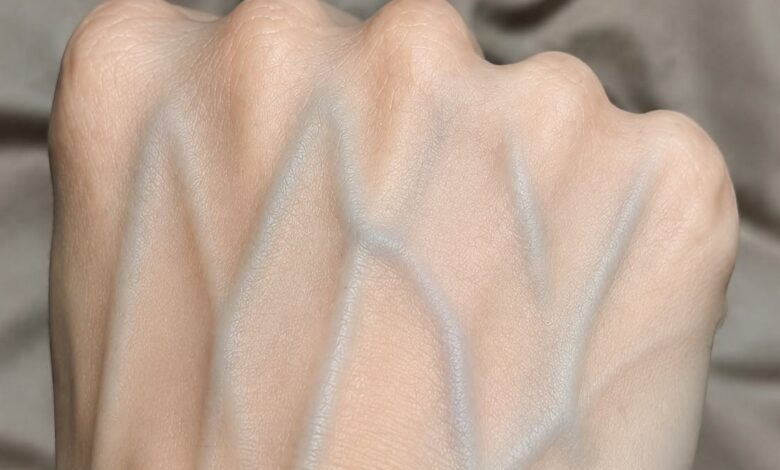
You glance down at your hand and notice those blue, snaking lines standing out against your skin with startling clarity, and suddenly, a cold wave of anxiety washes over you. Is this just a simple, harmless quirk of your anatomy, or is it the first visible symptom of a silent, life-threatening vascular catastrophe waiting to strike? While millions of people dismiss these prominent veins as mere aesthetic nuisances, the truth is far more complex and potentially perilous. Ignoring the subtle changes in your body could be a fatal error, as your veins are the primary highway for your life force—and when they start to misbehave, your body is screaming for help.
It is a common misconception that prominent veins are strictly a sign of physical fitness or an inevitable byproduct of the aging process. While it is true that many factors—such as low body fat, genetics, skin tone, and heat—can cause veins to dilate and become more noticeable, these are not the only explanations. We have been conditioned to view our bodies through a lens of casual observation, often failing to distinguish between a normal, physiological response to exertion and the early warning tremors of chronic vascular disease. The veins just beneath your skin are not merely decorative; they are complex, pressurized conduits that rely on internal valves to move blood efficiently against gravity. When those systems begin to fail, the consequences can be catastrophic.
The most basic reason for vein visibility is often rooted in the simple mechanics of human biology. If you have fair, thin skin, the blue and green hues of your veins are far more apparent because there is less pigment to mask the underlying structure. For athletes and individuals with very low body fat, prominent veins are frequently a hallmark of their physical condition, as there is less adipose tissue to act as a layer of insulation between the vessels and the surface of the skin. Similarly, as we age, our skin loses its elasticity and collagen production naturally declines, making the underlying architecture of our bodies—including our blood vessels—much more visible to the naked eye.
Exercise, too, serves as a common, temporary trigger for increased vascularity. When you engage in intense physical activity, your body demands an increase in blood flow to supply oxygen to your working muscles. To accommodate this demand, your blood vessels dilate, and the surface veins become engorged, creating the “vascular” look that is often celebrated in fitness communities. This effect is usually harmless and subsides as your body returns to its resting state. Likewise, warm temperatures or summer heat cause your blood vessels to expand as part of your body’s natural cooling mechanism. When your core temperature rises, the vessels near the surface dilate to release excess heat into the environment, making your veins look darker and more prominent for the duration of the thermal stress.
However, the line between a harmless aesthetic trait and a medical crisis is often invisible. There are specific, urgent warning signs that necessitate an immediate evaluation by a healthcare professional. You must never dismiss veins that are accompanied by localized pain, significant swelling, warmth to the touch, or redness. These are not signs of a “normal” body type; they are the hallmarks of inflammation and circulatory distress. If you notice an area of skin discoloration around the vein, or if the vein’s appearance changes suddenly—becoming hard, ropey, or excessively sensitive—you are looking at a potential vascular condition that requires clinical intervention to prevent further damage.
The spectrum of vascular issues is broad, ranging from manageable concerns to life-threatening complications. Varicose veins, perhaps the most recognized condition, occur when the tiny, one-way valves inside the veins weaken and fail. Instead of moving blood smoothly back to the heart, the blood begins to pool, causing the vein to bulge, twist, and ache. While initially just a cosmetic annoyance, untreated varicose veins can progress into chronic venous insufficiency, a debilitating condition where the veins can no longer return blood to the heart effectively, leading to chronic leg heaviness, intense aching, and eventually ulceration.
Far more terrifying is the specter of deep vein thrombosis, or a blood clot. A clot can form suddenly and without warning, causing sharp pain, deep-seated tenderness, and localized swelling. If a piece of that clot breaks off, it can travel through your circulatory system and lodge in your lungs, leading to a pulmonary embolism, which is a life-threatening emergency. This is why the sudden appearance of redness or warmth near a vein must never be ignored. It is not an invitation to wait and see if it gets better; it is a signal to seek emergency medical attention.
The best strategy for maintaining vascular health is to adopt a proactive, preventative lifestyle. You do not have to wait for a symptom to appear to start protecting your circulation. Regular physical activity, such as walking or swimming, helps strengthen the calf muscles that act as a pump for your blood, ensuring it does not stagnate in your lower extremities. Maintaining a healthy weight reduces the constant, heavy load placed on your veins, while staying adequately hydrated keeps your blood at an optimal viscosity. If you find your job requires long hours of sitting or standing, make a point to elevate your legs throughout the day and incorporate frequent movement breaks to keep the flow consistent.
For those at higher risk, compression stockings are an incredibly effective, underutilized tool. These garments apply graduated pressure to the legs, helping the vein valves maintain their integrity and forcing blood back toward the heart. If you have a family history of vascular disease, you should consult with a doctor about whether these tools are appropriate for your specific needs. The goal is to act with intention, not desperation. Your veins are working tirelessly to sustain your life, and they deserve the same level of care that you would provide to any other essential system in your body.
Ultimately, your veins are a living map of your health, reflecting your age, your activity levels, and your internal stability. In the vast majority of cases, visible veins are nothing more than a sign of how you are built—a unique, individual blueprint that is entirely normal. But being normal does not mean being invincible. Treat your body with the vigilance it requires, stay informed about the difference between a natural change and a medical alarm, and never hesitate to consult a professional if you feel that something is fundamentally wrong. Your body is constantly communicating its needs; the most vital step you can take is to listen to the message before it becomes a crisis.