THE TERRIFYING REASON YELLOW SLIME IS OOZING DOWN YOUR BATHROOM WALLS AND WHY YOU NEED TO ACT IMMEDIATELY BEFORE IT DESTROYS YOUR HOME
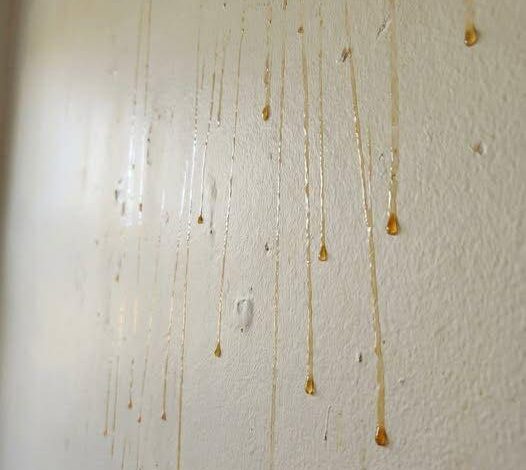
It starts as a faint, almost imperceptible discoloration—a thin, amber-colored line that looks like a stray drop of honey or a dried coffee spill. You might ignore it the first time you see it, wiping it away with a damp cloth and assuming it was just a minor mess. But then, after a long, hot shower, you return to the bathroom to find that the walls are weeping. Long, golden streaks are dripping from the ceiling to the floor, creating a scene that looks more like a haunting than a maintenance issue. While it might look like something out of a horror movie, this phenomenon is a silent alarm from your home. These yellow drips are a physical manifestation of hidden environmental battles taking place within the four walls of your most private space, and ignoring them could lead to a catastrophic compromise of your home’s structural integrity and your family’s health.
The mystery of the “bleeding” bathroom wall is one that puzzles thousands of homeowners every year, but the science behind the slime is as fascinating as it is concerning. To understand why your walls are oozing, you must first understand the unique ecosystem of the modern bathroom. This room is a high-pressure environment where extreme temperature fluctuations and massive amounts of humidity collide. Every time you turn on the hot water, you are essentially creating a localized weather system. The resulting steam rises and searches for a cool surface to cling to, which usually ends up being your painted walls and ceiling. When this water vapor condenses back into liquid, it doesn’t just sit on the surface; it begins to interact with everything that has settled on that wall over the weeks, months, or even years.
One of the most frequent culprits behind the amber weeping is a process known as surfactant leaching. Modern latex paints are complex chemical cocktails containing various additives, including surfactants, which help the paint spread smoothly and stay stable. In a perfect world, these chemicals would evaporate as the paint cures. However, in high-humidity environments like a bathroom, the moisture can actually pull these water-soluble ingredients out of the paint film before they have a chance to fully dry. The result is a sticky, syrupy residue that leaches out of the wall, creating those characteristic yellow or brownish drips. This isn’t just an aesthetic nightmare; it’s a sign that your paint’s protective barrier is being undermined from the inside out.
But surfactants are only one piece of the puzzle. Your bathroom walls act as a massive magnet for every airborne particle in the house. Think about the products you use daily: hairsprays, deodorants, perfumes, and cleaning aerosols. These fine mists don’t just vanish into thin air; they settle in a microscopic layer across every square inch of your bathroom. Over time, this buildup of chemical residue becomes a “ghost layer” on your walls. When the steam from your shower hits that layer, it re-liquefies the old hairspray and soap scum, causing it to run down the wall in unsightly, oily streaks. If you or a previous tenant ever smoked in the home, this effect is magnified tenfold. Nicotine and tar are notoriously stubborn; they can seep through layers of fresh paint, reactivated by humidity years later to create dark, tobacco-colored “tears” that seem to appear out of nowhere.
While chemical leaching and product buildup are frustrating, there is a more sinister possibility that every homeowner fears: the early stages of a biological invasion. The bathroom is a literal breeding ground for mold and mildew. These organisms thrive in the exact conditions created by a daily shower—warmth, darkness, and constant moisture. The yellow streaks you see could be the precursor to a massive mold colony. Certain species of fungi and bacteria produce pigmented byproducts as they consume the organic matter found in dust and even some types of wallpaper paste. If you see yellow stuff dripping down your walls, it might be the biological byproduct of an organism that is currently eating your drywall. Once mold takes root behind the paint or inside the wall cavity, the cost of remediation can skyrocket into the thousands, not to mention the severe respiratory risks it poses to everyone in the household.
The true underlying villain in almost every case of oozing walls is poor ventilation. Most people treat their bathroom exhaust fan as an afterthought, flicking it on only when things get particularly steamy. In reality, that fan is the lungs of your bathroom. If your fan is old, dusty, or underpowered for the square footage of the room, it cannot move the moisture out fast enough to prevent condensation from saturating the walls. Without proper airflow, the humidity lingers, allowing the chemical and biological processes that cause yellow drips to accelerate. Many homeowners make the mistake of turning the fan off the moment they step out of the shower, but the moisture remains in the air for up to twenty minutes afterward. By cutting the ventilation short, you are essentially sealing your walls in a humid tomb.
So, how do you stop the weeping and reclaim your bathroom? The solution requires a multi-pronged approach that goes beyond a simple cleaning. First, you must identify the source. If the drips are sticky and reappear after every shower, you likely have surfactant leaching or chemical buildup. The fix involves a deep, thorough cleaning of the walls with a mixture of warm water and a mild, grease-cutting dish soap. You must strip away that “ghost layer” of hairspray and soap residue to give the wall a clean slate. However, if the streaks are accompanied by a musty odor or appear in corners and near baseboards, you need to bring in a professional to check for mold.
Preventative maintenance is the only way to ensure the yellow slime doesn’t return. Upgrading to a high-efficiency, timer-controlled exhaust fan can change the entire climate of the room. Additionally, when it comes time to redecorate, don’t just use any leftover bedroom paint. Bathrooms require specialized “kitchen and bath” paints that are formulated with anti-microbial agents and a higher gloss finish to repel moisture rather than absorb it. Wiping down the walls with a squeegee or a dry towel after a particularly long shower might seem like a chore, but it is a small price to pay to protect your home’s value.
The yellow stuff dripping down your bathroom walls is more than just a cleaning task; it is a vital sign of your home’s health. It tells a story of trapped moisture, chemical reactions, and potential biological threats. By understanding the science of the ooze and taking decisive action to improve ventilation and cleanliness, you can transform a confusing and repulsive problem into a manageable maintenance win. Don’t wait until the drips turn into a full-scale mold infestation or until the paint begins to peel away in sheets. Take a closer look at those streaks today—your home is trying to tell you something, and it’s time you finally listened.