The Silent Warning In Your Mouth Why Ignoring That Tiny Spot Could Be The Most Dangerous Mistake Of Your Life
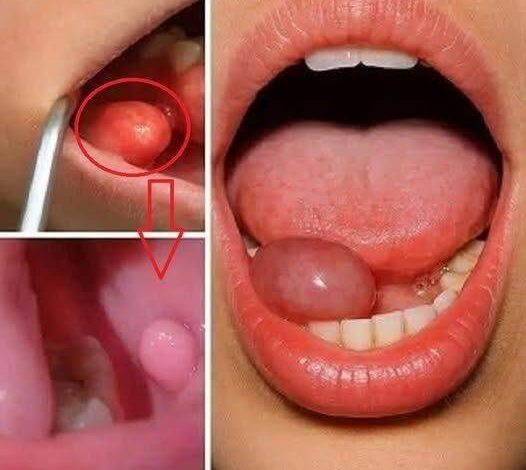
In the grand architecture of the human body, the mouth serves as the primary gateway for nourishment, communication, and emotional expression. We use our lips, tongue, and cheeks every moment of every day, yet we rarely accord them the same vigilance we might give a suspicious mole on our arm or a persistent pain in our chest. This anatomical oversight is precisely why oral cancer—a formidable and aggressive disease—remains one of the most stealthy killers in modern medicine. Known colloquially as mouth cancer, this condition can manifest anywhere within the oral cavity: the gums, the roof of the mouth, the floor beneath the tongue, or the delicate lining of the cheeks. Because these tissues are in constant motion, small changes can have a devastating ripple effect on our quality of life, yet the earliest symptoms are often so subtle that they are dismissed as mere inconveniences.
According to the American Cancer Society, the single most significant factor in surviving oral cancer is early detection. When the disease is identified in its infancy, the survival rates are remarkably high, and the treatment is significantly less invasive. However, the tragedy of oral cancer lies in its mimicry. The initial warning signs are almost identical to common, harmless ailments like a canker sore, irritation from a sharp tooth, or a minor bout of gum disease. This camouflage allows the cancer to establish a foothold while the patient waits for a “cold sore” to go away. Understanding the nuances of these early indicators is not just a matter of health literacy; it is a life-saving necessity.
The most frequent red flag is a persistent mouth sore. Most of us have experienced a minor lesion or a bite on the cheek that heals within a few days. However, a sore that lingers for more than fourteen days is a flashing siren that something is wrong. These lesions can appear on the lips, the tongue, or the gums. Critically, these early sores are often entirely painless. In many other forms of illness, pain is the alarm that drives us to the doctor, but oral cancer is frequently a silent intruder. Because it doesn’t always hurt, patients tend to overlook it until the cancer has progressed into the deeper layers of tissue or spread to the lymph nodes.
Color changes within the mouth are equally significant and require a discerning eye. Medical professionals look for two primary types of patches. Leukoplakia refers to white, hardened patches that cannot be scraped away; while often benign, they can be precancerous. Even more concerning is erythroplakia, which manifests as velvety red patches. When red and white patches appear together in a mottled pattern, the risk of malignancy increases significantly. These areas may feel slightly thicker than the surrounding skin or have a velvety texture, but because they don’t always interfere with eating or speaking in the beginning, they are often ignored until a routine dental cleaning reveals their true nature.
Beyond sores and color changes, there are several “invisible” symptoms that suggest the disease is beginning to affect the underlying structures of the face and neck. Unexplained bleeding in the mouth, persistent lumps, or areas of thickened tissue that feel like a “kernel” under the skin are all cause for immediate concern. Furthermore, as a tumor grows, it can begin to press against or infiltrate the nerves. This leads to symptoms like numbness, tingling, or a loss of sensation in the lips, tongue, or chin. Some patients report a lingering pain in the ear or jaw that doesn’t seem to stem from a cavity or an ear infection. These are often referred pains, where the brain misinterprets a signal from a growing mass in the throat or the back of the mouth.
As the condition advances, the mechanical functions of the mouth begin to fail. Difficulty chewing, a sensation that something is “stuck” in the throat, or a sudden change in the way the teeth fit together can all indicate the presence of a growth. Even the way we speak can change; a persistent hoarseness or a “hot potato” voice—where the tongue cannot move freely—is a classic sign of advanced oral or oropharyngeal cancer. Even chronic bad breath, despite rigorous brushing and flossing, can be a symptom. While halitosis is usually the result of bacteria or diet, persistent foul breath that resists all hygiene efforts may be caused by the necrotic tissue of a developing tumor.
While anyone can develop oral cancer, certain lifestyle choices act as an accelerant for the disease. Tobacco use remains the undisputed primary risk factor. Whether it is smoked in cigarettes, cigars, or pipes, or used in smokeless forms like snuff and chew, tobacco introduces a cocktail of carcinogens directly to the oral tissues. Heavy alcohol consumption significantly compounds this risk, acting as a solvent that allows the toxins in tobacco to penetrate the cells more easily. In recent years, a new demographic of oral cancer patients has emerged: younger, non-smoking individuals who have contracted certain strains of the Human Papillomavirus (HPV). This has shifted the focus of screenings to include a much broader age range, as the virus can sit dormant for years before triggering cellular changes.
Other contributing factors include prolonged sun exposure to the lips—which is essentially a form of skin cancer occurring on the mouth—a diet lacking in fruits and vegetables, and a weakened immune system. Age also plays a role, with the majority of diagnoses occurring in individuals over forty, though the rise of HPV-related cases is steadily lowering that average.
The first line of defense in this battle is not a specialized oncologist, but your family dentist. During a routine checkup, a dentist does far more than look for cavities; they perform a systematic sweep of the soft tissues, feeling for lumps and looking for those subtle color changes that a patient might miss in their bathroom mirror. The Mayo Clinic and other leading health institutions emphasize that bi-annual dental visits are the most effective way to catch oral cancer before it becomes a crisis. A professional screening takes only a few minutes but can provide a lifetime of safety.
The narrative of oral cancer does not have to be one of tragedy. It is a highly treatable disease when the patient and the provider work in tandem. By staying alert to the “two-week rule” for sores, monitoring for unusual patches, and reducing high-risk behaviors like tobacco use, individuals can take control of their health. We live in an era of incredible medical advancement, but no technology is as powerful as a proactive patient. Pay attention to the quiet whispers of your body, schedule those regular screenings, and remember that a few minutes of vigilance today is the best way to protect your smile, your voice, and your life for the years to come.