The Silent Cry Of Your Skin Why Those Red Patches On Your Hands Are Actually A Danger Signal You Cannot Afford To Ignore
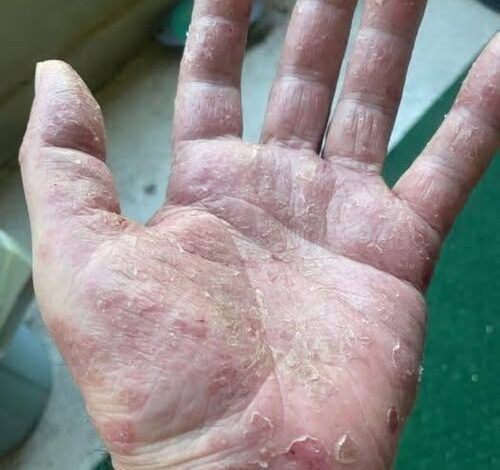
We often view our hands as mere tools—mechanical extensions of our will that cook, clean, type, and embrace. Because they are so resilient, we tend to ignore the subtle shifts in their appearance until the discomfort becomes impossible to suppress. It usually begins with a sensation so faint it is easily dismissed: a slight tightness after washing, a patch of skin that feels a bit more textured than usual, or a dull redness that fades by morning. We tell ourselves it is just the weather or a byproduct of a busy day. We assume it is just dry skin. However, the human body rarely speaks in whispers without a reason, and when your hands begin to change, they are often delivering a message from your immune system that goes far deeper than the surface.
The progression of a skin condition is a slow, methodical breakdown of your body’s primary defense system. The skin barrier is a complex shield of lipids and proteins designed to keep moisture in and pathogens out. When this barrier is compromised, the transformation is unmistakable. What started as harmless dryness evolves into deep, painful cracks that bleed when you move your fingers. Smooth skin becomes a topography of peeling layers and persistent irritation. Suddenly, the simple act of buttoning a shirt or gripping a steering wheel becomes a source of stinging agony. The mistake most people make is attempting to treat these symptoms as a simple lack of hydration, slathering on thin, scented lotions that often contain the very alcohols and fragrances that aggravate the underlying issue.
To truly heal, one must understand that “dry skin” is often a mask for several distinct and serious medical conditions. One of the most prevalent culprits is Hand Eczema, also known as Atopic Dermatitis. According to the National Eczema Association, this isn’t just a surface itch; it is an inflammatory response. It manifests as angry red patches and a relentless itch that keeps you awake at night. It is frequently triggered by the invisible stresses of our modern lives—hormonal shifts, weather fluctuations, and the harsh surfactants found in the soaps we use ten times a day. If your hands flare up during times of high anxiety, your skin is likely reflecting your internal state.
Another common but frequently misdiagnosed condition is Contact Dermatitis. This is essentially an allergic reaction in slow motion. It occurs when your skin finally reaches its breaking point after repeated exposure to a specific irritant. It could be the new detergent you bought, the latex in your dishwashing gloves, or even the nickel in your jewelry. The hallmark of contact dermatitis is its sudden appearance; your skin may have tolerated a product for years before suddenly deciding it is a threat. Once that threshold is crossed, your hands will react with redness and blistering every time they touch that specific substance.
Psoriasis presents an even more complex challenge. Unlike eczema, which is often a reaction to external triggers, psoriasis is a chronic autoimmune condition where skin cells build up at an accelerated rate. This creates thick, scaly, and often silvery patches that can be incredibly painful. When psoriasis affects the hands, it often leads to deep fissures that are difficult to close because the skin is constantly in motion. Similarly, fungal infections can masquerade as simple dryness. These infections are particularly deceptive because they spread slowly and can persist for months, often moving into the fingernails and causing yellowing or thickening. Unlike a simple rash, a fungal infection will never improve with moisturizer; in fact, some lotions can provide the damp environment that allows the fungus to thrive.
In our modern era, one of the most surprising causes of hand damage is actually a habit we perceive as healthy: overwashing. The rise of alcohol-based sanitizers and industrial-strength antibacterial soaps has led to an epidemic of “over-sanitized” skin. These products are designed to kill bacteria, but they do not distinguish between harmful germs and the natural oils that keep our skin supple. By stripping away these oils, we create microscopic tears in the skin barrier. This allows irritants to penetrate deeper into the dermis, creating a cycle of chronic inflammation that is difficult to break.
There are certain warning signs that should never be ignored. If your skin cracks to the point of bleeding, if you experience a burning sensation rather than a simple itch, or if the irritation begins to spread up your arms, it is no longer a cosmetic issue. These are signs of a secondary infection. When the skin barrier is open, bacteria like staph can enter the bloodstream, turning a “dry skin” problem into a systemic health crisis. The American Academy of Dermatology emphasizes that early intervention is the only way to prevent long-term skin thickening and permanent scarring.
The road to recovery requires a radical shift in how we care for our extremities. The first step is to discard thin, watery lotions in favor of thick, medical-grade ointments. Look for ingredients like ceramides, which act as the “mortar” between your skin cells, and glycerin or shea butter to lock in moisture. For those with severe damage, the “soak and smear” technique is often recommended: soak your hands in lukewarm water for five minutes, pat them semi-dry, and immediately apply a thick layer of ointment before trapping the moisture with cotton gloves overnight.
Protection is just as vital as hydration. You must become a guardian of your skin barrier. This means wearing lined gloves every time you wash dishes or handle cleaning chemicals. It means switching to fragrance-free, hypoallergenic cleansers that don’t produce a heavy lather, as the sudsing agents are often the most drying components of soap. Most importantly, you must resist the urge to scratch. Scratching creates a “trauma loop” where the skin thickens in response to the friction, making the itch even more intense and the barrier even weaker.
Ultimately, the state of your hands is a profound reflection of your overall health. They are the first place the body shows signs of aging, stress, and systemic inflammation. Before the deep cracks and the bleeding ever appear, your skin gives a subtle warning—a loss of luster, a faint change in texture, or a slight sensitivity to water temperature. Most people miss this early signal, waiting until the pain is unbearable to take action. Do not wait for the breakdown. Your hands do everything for you; it is time you did something for them. By respecting the messages your skin is sending, you are not just treating a rash—you are preserving your body’s first line of defense against the world.