The Forbidden Root: Is This Ancient Plant Actually a Secret Weapon Against Disease?
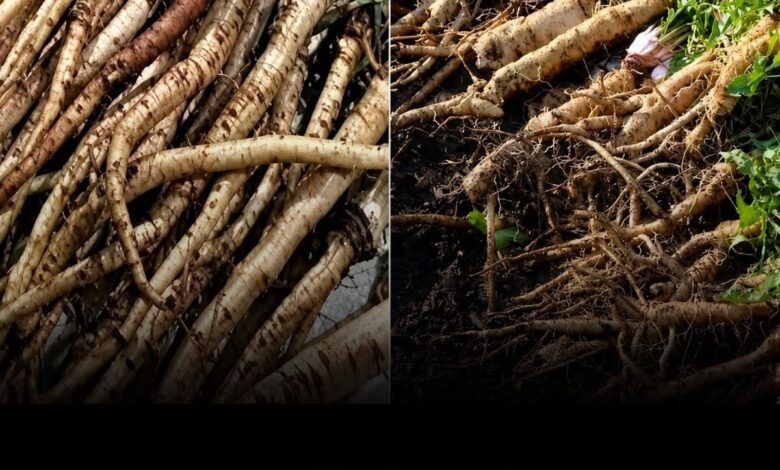
For centuries, ancient healers have whispered about a mysterious, earthy root that could hold the key to immortality, health, and total body detoxification. While modern medicine often turns its nose up at traditional remedies, a massive surge of interest in burdock root has sent people scrambling to herbal shops, desperate to unlock its purported secrets. Is it truly a miracle cure capable of single-handedly stopping chronic illnesses in their tracks, or is this just another dangerous myth being peddled to the desperate? The truth is far more complex, and it’s a revelation that every health-conscious person needs to see.
Burdock root, known scientifically as Arctium lappa, has a storied history in traditional Asian and European medicine, where it was once prized as a cure-all for everything from skin ailments to digestive sluggishness. Today, it has entered the mainstream, fueled by viral social media claims that suggest it can outperform chemotherapy or miraculously “cleanse” the body of malignant diseases. It is time to separate these sensationalist fantasies from the actual, documented reality. Despite what the internet might tell you, there is no high-quality, peer-reviewed scientific evidence confirming that burdock root can eliminate cancer or serve as a standalone replacement for modern oncology. Treating such complex diseases requires rigorous, evidence-based medical care, not herbal guesswork.
However, stripping away the hype reveals a plant that is genuinely fascinating for its nutritional profile and potential contributions to general wellness. Burdock root is an absolute powerhouse of bioactive compounds, including lignans, polyphenols, flavonoids, and a unique prebiotic fiber known as inulin. These are not merely buzzwords; they are the chemical components that contribute to the plant’s impressive antioxidant capacity. In a world saturated with environmental toxins and daily stressors that trigger oxidative damage at a cellular level, integrating antioxidant-rich foods into your diet is a sensible strategy. By helping to neutralize free radicals, these compounds support the body’s internal defense systems, potentially slowing the cellular wear and tear associated with aging and chronic inflammation.
The digestive benefits of the root are perhaps the most well-supported aspect of its traditional use. The presence of inulin—a type of fiber that humans cannot digest—makes burdock root an excellent prebiotic. Prebiotics act as the primary fuel source for your gut’s beneficial bacteria. A flourishing microbiome is not just about keeping you regular; it is the cornerstone of your immune system, nutrient absorption, and even your metabolic health. By nourishing these good bacteria, burdock root may indirectly improve digestive comfort and support a more robust immune response. It’s a gentle, food-based approach to wellness that aligns perfectly with modern nutritional science, provided you maintain realistic expectations.
In terms of inflammatory response, researchers have taken a keen interest in the potential of burdock root extracts. Preliminary laboratory and animal studies have hinted that specific plant compounds within the root may interfere with inflammatory pathways, which are often the underlying drivers of many chronic health conditions. Yet, here is the crucial caveat: “preliminary” is the operative word. Much of the data currently available comes from controlled laboratory environments, not human clinical trials. While these findings are promising, they do not grant us the right to jump to the conclusion that the root is a curative agent. To treat burdock root as a proven medical treatment is to misunderstand the difference between nutritional support and pharmacological intervention.
One of the most persistent myths surrounding burdock root is its role as a “detoxifier.” Many herbal advocates argue that the root cleanses the liver and kidneys. From a physiological standpoint, this is a simplified narrative. Your body is already equipped with the most sophisticated detoxification system imaginable: your liver and kidneys. They do not need to be “cleansed” by an herb; they need to be supported by a lifestyle that minimizes their workload. The best way to support these vital organs is not by chasing miracle roots, but by staying adequately hydrated, eating a whole-food diet, maintaining a healthy weight, and avoiding toxic inputs. Burdock root can be a beneficial addition to a balanced diet, but it should never be mistaken for a substitute for your body’s own, highly efficient biological processes.
If you are curious about incorporating burdock root into your life, the culinary route is arguably the most beneficial. In many East Asian cultures, the fresh root is a staple in soups, stir-fries, and stews, prized for its unique, earthy flavor and satisfying crunch. Alternatively, you can brew the dried root into an herbal tea, which provides a mild, nutty beverage that is easy on the palate. If you are considering taking it in the form of a concentrated dietary supplement, you must proceed with caution. Supplements are not regulated with the same rigor as pharmaceuticals, and their potency can vary wildly. Furthermore, if you are pregnant, breastfeeding, managing a chronic condition, or taking blood-thinning medications, you must consult with a healthcare professional before adding any herbal concentrate to your routine.
It is also important to remember that nature is not always synonymous with “safe.” Allergic reactions to burdock are relatively rare but do occur, particularly among individuals with sensitivities to the daisy family, which includes ragweed, marigolds, and chrysanthemums. Moderation is the key to all things in nutrition. Ultimately, the healthiest approach is to view burdock root for what it is: a traditional, nutrient-dense food ingredient that can add variety and potential antioxidant benefits to a well-rounded diet. It is not a miracle in a bottle, and it is certainly not a replacement for prescribed medical care. By cultivating a healthy skepticism toward “cure-all” narratives, you empower yourself to make informed decisions that actually support your health rather than simply fueling the fire of internet rumors.