Stop Sleeping on the Wrong Side Immediately! Doctors Reveal the Shocking Health Dangers Hidden in Your Nightly Posture
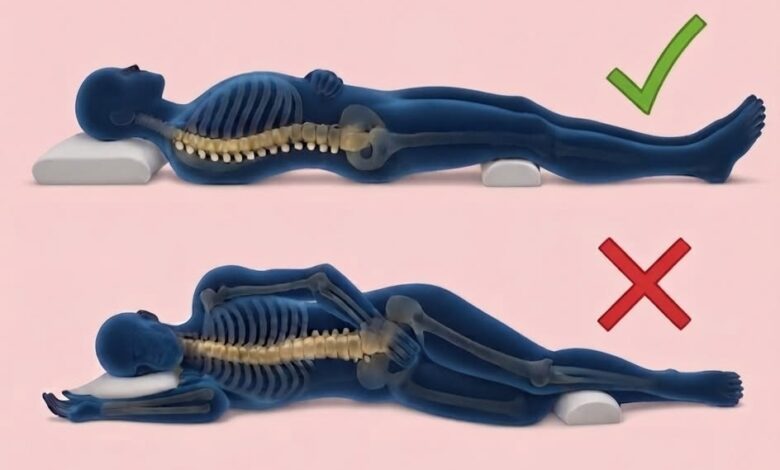
Are you waking up exhausted, stiff, and in excruciating pain every single morning despite getting a full eight hours of rest? You might be completely destroying your body without even knowing it, simply by choosing the wrong sleeping position! While millions of people blindly assume that any comfortable posture will do, medical research proves that how you position your body at night directly impacts your spinal alignment, joint pressure, digestive tract, and cardiovascular health. Continuing to sleep the wrong way could accelerate chronic pain and invite dangerous health complications right into your bedroom.
The Great Sleeping Position Debate
A good night’s sleep is about far more than just logging enough hours under the covers. The overall quality of your rest, the firmness of your mattress, the contour of your pillow, and your habitual nighttime posture all dictate how you feel when the morning alarm rings. Viral social media posts constantly claim that one specific posture is universally perfect or that sleeping “wrong” will permanently ruin your health. The clinical truth is far more nuanced. There is no single position that fits every human body. However, scientific studies clearly indicate that certain postures provide targeted benefits for specific health conditions, while others quietly contribute to physical discomfort and long-term strain.
Understanding how your sleeping posture affects your internal physiology allows you to make informed choices that dramatically improve your nightly recovery and overall well-being.
Why Your Nightly Posture Matters
While you drift into unconsciousness, your body works tirelessly behind the scenes. Throughout the night, your biological systems engage in deep tissue repair, memory consolidation, hormone regulation, immune fortification, and energy restoration. Your sleeping posture directly influences several critical bodily functions:
- Spinal alignment and structural symmetry
- Pressure distribution across vulnerable joints
- Airway openness and breathing efficiency
- The severity of snoring and sleep apnea episodes
- Acid reflux and digestive comfort
- Peripheral blood circulation
Small, conscious adjustments to your nightly posture can instantly eliminate morning stiffness and reduce chronic aches.
Analyzing the Four Common Sleeping Positions
Most adults naturally gravitate toward one of four primary postures during the night. Each comes with its own unique set of advantages and drawbacks.
1. Back Sleeping
Resting on your back allows your head, neck, and spine to rest in a relatively neutral alignment, provided you use a supportive pillow and mattress.
- The Benefits: Back sleeping promotes even weight distribution, minimizes joint pressure, maintains natural spinal curves, and prevents facial skin from being compressed against a pillow.
- The Drawbacks: Unfortunately, this position frequently increases heavy snoring and worsens obstructive sleep apnea. It can also exacerbate nighttime acid reflux symptoms if the upper body is not sufficiently elevated.
2. Side Sleeping
Side sleeping stands as the most popular sleep posture worldwide, favored by a vast majority of adults.
- The Benefits: Research suggests that side sleeping helps reduce snoring, improves upper airway openness for mild sleep apnea sufferers, and significantly cuts down nighttime acid reflux—particularly when sleeping on the left side. It is also the gold standard recommended for pregnant individuals during later stages of gestation.
- The Drawbacks: Prolonged side sleeping can trigger shoulder discomfort, localized hip pressure, facial compression, and temporary arm numbness due to nerve constriction. Tucking a supportive pillow between your knees helps restore proper spinal alignment.
3. Stomach Sleeping
A smaller percentage of the population naturally prefers sleeping face down. While a tiny subset of individuals experience reduced snoring in this posture, the drawbacks heavily outweigh any potential perks. Stomach sleeping forces you to turn your head violently to one side for hours at a time, resulting in severe neck strain, lower back compression, and acute muscular tension.
4. Changing Positions Throughout the Night
Remaining frozen in a single position all night is unnatural. Shifting positions is a healthy biological mechanism that relieves prolonged joint pressure, enhances localized circulation, prevents stiffness, and maximizes comfort.
Tailoring Your Posture to Specific Health Needs
If you suffer from chronic health challenges, your sleeping posture can serve as an effective therapeutic tool:
- Lower Back Pain: Relieve spinal tension by sleeping on your back with a supportive pillow beneath your knees, or on your side with a pillow tucked tightly between your legs.
- Acid Reflux: Clinical evidence confirms that sleeping on your left side significantly suppresses nighttime acid reflux flare-ups compared to right-side sleeping. Elevating the head of your bed provides additional protection.
- Pregnancy: Left-side sleeping optimizes placental blood flow and maternal comfort during the third trimester, though any comfortable side is generally acceptable.
Optimizing Your Sleep Environment and Habits
Posture is only one piece of the puzzle. To achieve truly restorative rest, maintain a consistent sleep schedule, limit evening screen exposure to protect your natural melatonin production, and cultivate a cool, dark, quiet bedroom sanctuary. Engage in regular physical activity, but avoid intense workouts right before bedtime. By pairing an ergonomic sleep posture with healthy daily habits, you unlock the door to vibrant health, boundless energy, and long-term vitality.