Is That Rash Down There Destroying Your Life? The Silent Dangers You Need to Know Now
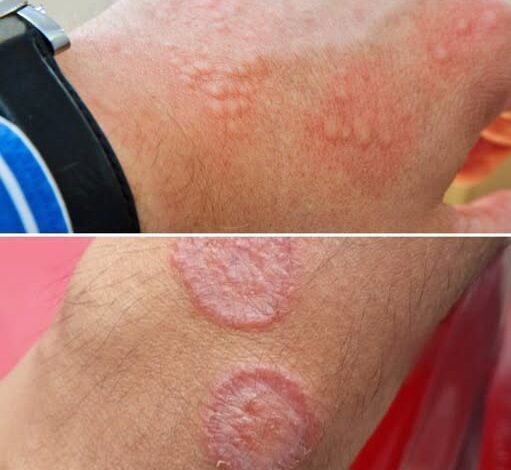
You’ve been ignoring that persistent itch for weeks, hoping it would just vanish on its own. You’re embarrassed to talk about it, terrified of what it might be, and convinced that it’s just a minor annoyance that will eventually fade. But what if that simple irritation is actually a ticking time bomb for your health? Ignoring symptoms in such a sensitive area isn’t just uncomfortable—it is a dangerous game. From aggressive infections to chronic conditions that could permanently damage your skin, the hidden truth about groin irritation is far more serious than you ever dared to imagine. Stop guessing and start protecting yourself before it’s too late.
Groin irritation is a widespread issue, yet it remains one of the most stigmatized topics in modern healthcare. Because the area is naturally warm, dark, and prone to moisture and friction, it serves as an ideal breeding ground for various dermatological concerns. While many people dismiss occasional redness or itching as a trivial consequence of exercise or grooming, persistent discomfort is often a red flag that your body is signaling a deeper, underlying issue. Understanding these triggers is not just about comfort; it is about reclaiming your health and preventing long-term damage.
One of the most frequent culprits is the common ingrown hair. These occur when a hair curls back into the skin instead of breaking the surface, triggering an inflammatory response that manifests as painful, red bumps. While they are often viewed as a mere annoyance resulting from shaving or waxing, improper handling—such as picking or squeezing—can lead to secondary bacterial infections that spread rapidly. The key to prevention lies in meticulous grooming: using a sharp, clean razor, shaving with the grain, and practicing gentle exfoliation to clear away the dead skin cells that often trap hairs beneath the surface.
Beyond mechanical irritation, we must consider folliculitis, a condition where hair follicles become inflamed due to bacterial or fungal colonization. If you notice clusters of tender, red pimples, you may be dealing with more than just razor burn. Folliculitis thrives in environments where skin is constantly stressed by tight, synthetic clothing or exposure to bacteria. Maintaining a rigorous hygiene routine that keeps the area scrupulously clean and dry is your first line of defense. When hygiene isn’t enough, professional medical intervention is required to stop the inflammation from escalating into a more severe, systemic infection.
Perhaps the most infamous cause of groin distress is tinea cruris, or jock itch. Do not be fooled by the name; this fungal infection is not limited to athletes. It thrives in any environment where moisture lingers. If you have a rash that is spreading with a distinct, raised border, you are likely battling a fungus. This condition can become notoriously difficult to treat if left to its own devices. Antifungal treatments are highly effective, but they must be paired with lifestyle changes: ditching damp clothes immediately after workouts, opting for moisture-wicking fabrics, and ensuring the area is completely dry before getting dressed.
However, not all irritation is biological. Contact dermatitis is an increasingly common issue caused by an allergic or inflammatory reaction to external chemicals. You might be exposing your most sensitive skin to harsh laundry detergents, fragranced body washes, synthetic fabric softeners, or even the dyes in your underwear. Because the skin in the groin is thinner and more absorbent than elsewhere, it reacts aggressively to these hidden toxins. If you suspect your skin is “angry” at your environment, a simple switch to hypoallergenic, fragrance-free products and organic, breathable cotton can work wonders in soothing the inflammation.
We must also address intertrigo, a common condition caused by skin-on-skin friction combined with trapped sweat. This is particularly prevalent in those with skin folds. Without proper moisture management, the skin becomes macerated and fragile, creating a perfect storm for secondary bacterial or fungal overgrowth. Keeping these areas dry is non-negotiable. For those prone to this, simple barrier strategies or specialized moisture-wicking gear can be life-changing, preventing the cycle of irritation that often ruins one’s daily routine.
Furthermore, we cannot overlook the impact of systemic health on skin integrity. Chronic conditions, most notably diabetes, drastically alter your body’s ability to defend itself against microbial growth. Elevated blood glucose levels provide an abundance of fuel for fungi and bacteria, turning minor irritations into recurring, stubborn infections. If you are managing a chronic health condition, you must treat any persistent skin change with the utmost urgency. Additionally, even lifestyle factors like stress, which suppresses immune function, can lead to flare-ups of chronic skin conditions such as eczema or psoriasis in the groin area.
When should you stop relying on home remedies and seek professional help? The answer is simple: when your body tells you that self-care is no longer sufficient. If you experience intense pain, significant swelling, spreading redness that looks like an advancing front, drainage, or if a fever develops, you are past the point of casual observation. Do not let shame prevent you from visiting a doctor. Healthcare professionals see these conditions every single day; for them, it is a routine matter of medicine, not a source of embarrassment. Early diagnosis is the difference between a quick, easy recovery and weeks of unnecessary suffering.
Prevention is the ultimate strategy. It is about consistent habits: drying the skin thoroughly with a soft towel rather than aggressive rubbing, choosing clothing that allows for airflow, and resisting the urge to share personal grooming tools. By treating your skin with the same level of care you give to the rest of your body, you can prevent these issues before they start. Taking control of your health means paying attention to the details, especially the ones you’ve been taught to ignore. Your comfort, your confidence, and your long-term skin health depend on your willingness to stop ignoring the signs and start taking decisive, informed action.