ARE YOUR VISIBLE VEINS A SIGN OF A DEADLY MEDICAL EMERGENCY OR JUST A NATURAL TRAIT
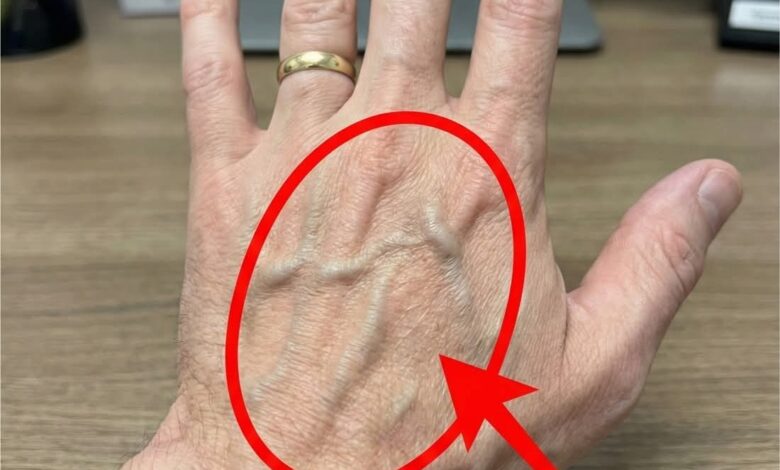
Suddenly noticing prominent veins standing out on your hands or legs can be a terrifying experience that makes you fear your circulatory system is on the verge of total collapse. Many people immediately panic thinking they are suffering from life threatening heart issues or failing blood flow when they see these blue and green pathways winding beneath their skin. However the truth about what is actually happening inside your body is far more shocking and much less dangerous than you could ever imagine. Keep reading to discover the hidden secret behind these bulging vessels and when you should actually be worried.
The human body is a masterpiece of complex engineering, and our veins serve as the critical infrastructure of that system. They act as a sophisticated map, diligently carrying blood back to the heart after it has successfully delivered essential oxygen and vital nutrients to our tissues. For many individuals, these vessels simply appear more pronounced due to a fascinating variety of physiological and environmental factors. One of the most common, yet frequently misunderstood, reasons for highly noticeable veins is a low body fat percentage. Because adipose tissue functions as a layer of insulation and natural padding between the muscle and the surface of the skin, having a leaner physique allows the veins to sit much closer to the surface. This is why many elite athletes and dedicated fitness enthusiasts often display a highly vascular appearance; it is typically a testament to their physical conditioning and low body fat levels rather than any underlying health deficit.
As we progress through the different stages of life, our skin undergoes inevitable and significant changes that drastically alter how our vascular system appears to the naked eye. Aging is a primary factor in this process, as the skin gradually loses its collagen and elastin, becoming thinner and more transparent with every passing year. This natural loss of subcutaneous fat and skin elasticity means that veins which were once hidden from view are now clearly visible. Similarly, genetics play a massive and undeniable role in this phenomenon. Some people are simply born with naturally fair or thin skin that offers very little concealment for their underlying vascular network. If your parents or grandparents had prominent, visible veins, there is a very high statistical likelihood that you will possess the same trait, regardless of your overall health status or fitness level.
Furthermore, environmental conditions and our daily physical activities dictate how much our veins stand out at any given moment throughout the day. Have you ever noticed that your veins appear much larger after a long, hot shower or during a humid summer afternoon? This occurs because high ambient temperatures cause your blood vessels to dilate, a physiological process known as vasodilation. The body intelligently widens these vessels to bring more blood to the surface of the skin, which allows for the release of heat and helps regulate your delicate internal temperature. Intense physical exercise has a remarkably similar effect; as your muscles demand significantly more oxygen, blood flow increases, and the surrounding, hard working muscles can physically push the veins closer to the skin’s surface, creating that pumped appearance that is so common during a strenuous workout.
The most persistent and damaging myth surrounding this topic is the widespread belief that visible veins are a definitive, early warning sign of poor circulation. In reality, the exact opposite is frequently true. In most cases, visible veins actually indicate that blood is flowing efficiently and effectively through the vessels. Poor circulation, medically identified as peripheral artery disease, is typically characterized by a complete lack of adequate blood flow, which leads to entirely different, more concerning symptoms. If you were truly suffering from severe circulatory distress, you would be far more likely to experience persistent, bone deep coldness in your hands and feet, a distinct bluish tint to your skin, or a noticeable lack of a pulse in certain areas of the limbs. Numbness, pins and needles sensations, and slow healing wounds are significantly more accurate markers of circulatory distress than the mere visibility of your veins.
However, it is crucial to recognize the specific point at which visible veins transition from a benign cosmetic curiosity to a genuine medical symptom that requires professional evaluation. Varicose veins are the most well known example of a vascular issue. These conditions occur when the tiny, delicate valves inside the veins, which are designed to keep blood flowing in one direction toward the heart, become weakened or damaged. This failure allows blood to pool and stagnate in the vein, causing it to become swollen, twisted, and occasionally quite painful. Unlike normal, healthy visible veins, varicose veins often feel bumpy or cord like to the touch and can be accompanied by a heavy, aching, or throbbing sensation in the legs. Chronic venous insufficiency is another step up from this, where the veins struggle to send blood back from the limbs, often resulting in significant swelling, skin discoloration, and even the development of ulcers if the condition remains untreated.
There are certain glaring red flag symptoms that should never be ignored when they accompany visible veins. If you notice that a vein has suddenly become hard, warm to the touch, or extremely sore, it could be an early sign of a blood clot or acute inflammation, such as superficial thrombophlebitis. Even more critical is deep vein thrombosis, which typically presents as sudden, intense swelling and sharp pain in just one leg. This is a bona fide medical emergency that requires immediate attention from a healthcare professional. Other indicators that warrant a prompt trip to the doctor include persistent cramping while walking, skin that feels unusually tight or discolored around the vein area, or small sores on the ankles that refuse to heal over time.
For those who are genuinely concerned about their long term vascular health, there are several proactive steps you can take to support your system naturally. The most effective method is consistent, low impact physical movement. Activities like walking, swimming, or cycling help the calf muscles function as a secondary pump, pushing blood back up toward the heart and preventing it from pooling in the lower extremities. Maintaining a healthy weight significantly reduces the total pressure placed on your delicate venous system, while staying adequately hydrated ensures that your blood maintains a healthy, free flowing consistency, making it much easier for your body to transport. Ultimately, visible veins are usually just a reflection of your unique anatomy. By staying active and paying attention to genuine warning signs, you can maintain a healthy system and stop worrying about the lines that keep your body moving.