My Wife Waited Years to Become a Mother – but Just Four Weeks After the Adoption, I Came Home and Found Her Crying, We Are Not Parents Anymore!
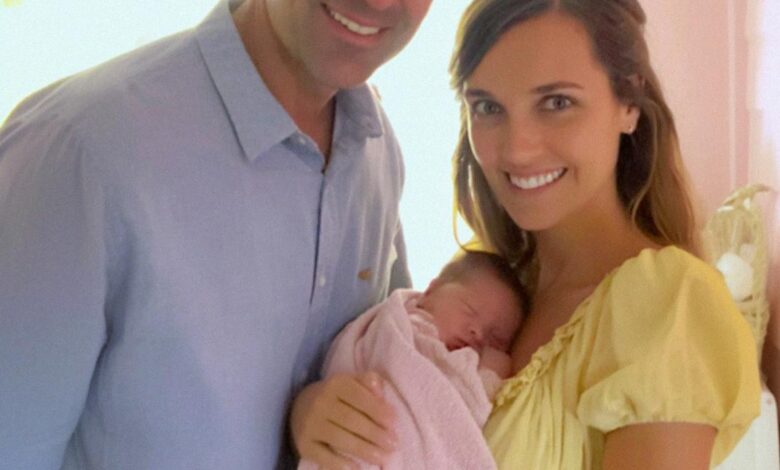
My name is Eric. I’m thirty-six, and I learned the hard way that the paperwork isn’t the hardest part of adoption. The hardest part is what happens when love is real, but the law still leaves the door cracked open.
Megan and I have been together since college. I can still picture the first time I noticed her—sitting cross-legged on her dorm bed, laptop open, and a baby-name book beside it like it belonged there. I teased her about it and she didn’t even blink.
“I like to be prepared,” she said, wearing that half-smile she used whenever she tried to act tougher than her heart would allow.
That was Megan in a sentence. Prepared, hopeful, stubbornly soft.
She collected tiny signs of motherhood long before it was anywhere near us. She saved nursery ideas on her phone. She kept a bin of baby clothes under our bed for years, like the universe might notice and finally cooperate. When friends announced pregnancies, she’d beam, send a gift, and then go quiet later. I’d find her in the bathroom washing her face with cold water, pretending it was allergies.
When we got married, we tried. We didn’t casually try. We tried in the way that takes over your calendar, your bank account, your sense of time. Eight years of clinics, appointments, injections, tracking apps, temperatures, and false hope dressed up as “maybe this cycle.”
We lost two pregnancies early. Two small lives that existed just long enough to rewire our dreams and then disappear. Megan didn’t scream. She didn’t break dishes or fall apart in dramatic ways. She got quieter. She folded the grief into herself like a letter she didn’t want anyone to read.
Eventually, the doctors stopped offering optimism. They were kind about it, but kindness doesn’t soften words like infertility. It just makes them easier to hear while they still destroy something inside you.
So we started talking about adoption.
Megan hesitated at first. Not because she didn’t want a child—because she wanted the beginning. She wanted the first cry, the first swaddle, the first time a baby locks eyes with you and decides you’re home.
“I don’t want to miss the start,” she whispered one night in bed. “I want to be the first person they know.”
That’s how we decided: newborn adoption only.
And that’s how we met Melissa.
She was eighteen. Barely out of high school. Quiet in a way that suggested she’d learned early not to take up too much space. At our first meeting, she sat straight-backed beside her social worker like posture could compensate for fear. Megan reached across the table and gently touched her hand.
“You okay?” Megan asked.
Melissa didn’t cry. She just said she wasn’t ready to be a mom. Her home life was chaotic. Her own mother had basically told her to figure it out alone. She wanted her baby to have stability. Safety. A family that wasn’t held together with panic and apologies.
A week later, we signed. So did she. The agency moved us through it like a checklist: background checks, parenting classes, CPR training, home inspections, documents that felt endless until suddenly they weren’t.
Then a nurse placed a tiny newborn into Megan’s arms, and the world shifted.
We named her Rhea.
She had a tuft of dark hair and a set of lungs that could shatter glass. Megan held her like she’d been waiting her entire life to exhale. That first night, she refused to sleep anywhere but the nursery armchair, one hand on the bassinet as if her palm alone could keep the universe from changing its mind.
The first four weeks were messy and perfect. Burp cloths everywhere. Bottles in the sink. Half-eaten meals left on counters because Rhea cried and time stopped mattering. We lived on coffee and adrenaline. We whispered over the baby monitor at night like teenagers again, amazed that something so small could take over every inch of a home and make it feel fuller than it had ever been.
“I can’t believe she’s ours,” Megan said one night, rocking Rhea in the dark.
“She is,” I whispered. “We waited long enough.”
I thought we were finally safe. I thought the hard part was behind us.
Then I came home one evening and felt the air in the apartment was wrong—like the walls had heard bad news before I did.
Megan didn’t call out. She didn’t meet me at the door. I found her on the couch staring at a blank TV screen, eyes swollen and red, like she’d been crying for hours.
“Babe?” I said, already scared. “What’s wrong? Where’s Rhea?”
She turned toward me, and her voice came out sharp, cracked, panicked.
“We’re not parents anymore!”
The words didn’t land cleanly. They scattered in my head like glass.
“What do you mean?” I asked, and my throat felt too tight to work.
“Check my email,” she said, hollow now. “Just… look.”
Her laptop was open on the kitchen table. I walked over, hands clammy, and clicked the newest message. It was formal, cold, and written like it had nothing to do with the most fragile, precious thing we’d ever held.
Under state law, the email said, the birth mother had a thirty-day window to revoke consent.
Melissa had contacted the agency that afternoon.
She wanted the baby back.
I read it twice. Then again. Like the meaning would change if I stared hard enough. My knees threatened to give out. I walked back into the living room feeling like I’d been dropped into deep water.
Megan was watching my face, bracing for impact.
“Where’s Rhea?” I asked anyway, even though I already knew.
“Upstairs,” she whispered. “Sleeping. The monitor’s on. I have the receiver.” She clutched it like it was a life raft.
Megan trembled against me as I sat beside her and wrapped my arms around her. The helplessness was physical, like a weight across my chest.
“They can’t just take her,” she choked out. “She knows my voice. She knows us.”
“We’ll fight,” I said, and I meant it. “Whatever it takes.”
That’s when the knock came.
Three sharp knocks. Not casual. Not neighborly. Deliberate.
Megan froze. I stood.
When I opened the door, my stomach dropped.
Melissa stood on the porch.
We’d left the door open to contact because Megan insisted we never wanted to erase her. We’d told Melissa she could be involved in Rhea’s life however she wanted, at whatever pace felt safe. We’d tried to do this with humanity, not just legality.
Melissa looked different now. More upright. More certain. Her hair was brushed, her expression sharper, like someone had coached her into a new role.
“Can I come in?” she asked, eyes flicking past me.
Megan was behind me, arms crossed tight over her chest, face pale. After a long beat, she nodded once.
Melissa sat on the edge of the couch like she belonged there. No tears. No apology. Just a restless hand twisting at her necklace.
“I didn’t come to take her tonight,” she said. “I need to talk.”
Megan’s voice cracked. “Why are you doing this?”
Melissa inhaled, looked us both in the eye, and said it plainly.
“I need money.”
The room went dead.
“I’m not ready to be a mom,” she continued, voice steady like she’d practiced in the mirror. “But I have rights. I can get her back. Unless…”
“Unless what?” I asked, and my tone surprised even me.
Melissa’s eyes met mine. Flat. Businesslike.
“Unless you pay me to walk away.”
Megan made a sound I’d never heard from her—part gasp, part sob, part something feral. She backed away like the words had shoved her. Upstairs, through the monitor, Rhea made a small stirring noise that felt like a knife.
“You’re talking about our daughter,” Megan said, shaking. “Not a thing you can bargain with.”
Melissa shrugged, detached. “I gave birth to her. I get to decide.”
Something cold and clear snapped into place inside me. Not cruelty. Not rage. Focus. The kind that shows up when panic stops being useful.
“Okay,” I said calmly. “Tell me what you mean.”
Melissa blinked, thrown by my tone.
“How much?” I asked. “And how do you see this working?”
Her shoulders relaxed, as if she thought she’d won.
“Fifteen thousand,” she said. “Cash. No transfers. No checks. You give it to me, I withdraw the request. You keep her.”
Megan fled upstairs. I heard her steps, frantic, and then softer, like she’d reached the nursery and forced herself to breathe.
Melissa didn’t know two things.
First: our home security system recorded audio and video.
Second: my phone was recording too, face-down on the coffee table, capturing every word.
“So you’re saying,” I repeated, slow and clear, “you’ll revoke consent and take Rhea back unless we pay you cash.”
“Yes,” she said without hesitation.
“And if we don’t pay?”
“I file and I take her,” she said. “You know I can.”
I nodded once. “Thanks for being honest. We need time.”
She stood, brushed invisible dust off her jeans like she’d finished a shift, and headed for the door. “End of the week,” she said. “That’s your deadline.”
I walked her out without another word. Before she stepped off the porch, she looked back at the house with something that wasn’t guilt or sadness—just calculation.
I locked the door behind her and leaned against it for a second like I needed the wood to hold me up.
Megan stood halfway down the stairs, clutching the baby monitor, eyes glassy.
“She’s trying to sell our baby,” she whispered.
“I know,” I said. “And now we have proof.”
That night, we didn’t sleep. We didn’t write goodbye letters or pack emergency bags. We fought the way parents fight when there’s no room for defeat.
I found an adoption attorney before sunrise. I sent the recordings. I typed a transcript with shaking hands because I needed the facts clean and undeniable.
The lawyer called us back that morning. “This is ugly,” he said. “But the recording changes the entire case.”
The next months were hearings, filings, waiting rooms that smelled like stale coffee and nerves. Melissa tried to pivot, tried to claim we’d offered money first, tried to soften her image. The evidence didn’t bend.
Megan showed up to every proceeding with her spine straight and her hands steady, even when her eyes begged the world to stop being cruel for five minutes.
The day the judge ruled, the courtroom was quiet enough to hear breath.
“This court finds the birth mother attempted to extort money in exchange for relinquishing parental rights,” the judge said. “A child is not property. Parental rights are terminated.”
Megan’s body shook like she’d been holding back a tidal wave for months. She covered her face and cried—deep, shaking sobs that weren’t just relief, but release.
Rhea was ours. For real.
When we brought her home that day, Megan didn’t put her down for hours. She sat on the couch, kissing the top of Rhea’s head over and over like she was anchoring her to us with love and repetition.
Four weeks after becoming parents, we nearly lost our daughter.
But love isn’t just a feeling. It’s a decision. It’s action. It’s showing up when you’re terrified, staying when you’re exhausted, and fighting when you have nothing left except the refusal to let your child be treated like a transaction.
A few weeks later, Megan admitted, “I still flinch when someone knocks.”
I pulled her close and kissed her forehead. “That knock didn’t take her from us,” I said. “It just proved who we are.”
She looked at Rhea asleep in her arms and nodded, voice small but solid.
“We’re her parents.”
“Yes,” I said. “And no one’s taking that away again.”