I Thought They Were Just Annoying Weeds, But Then I Realized They Were Living, Breathing Thieves
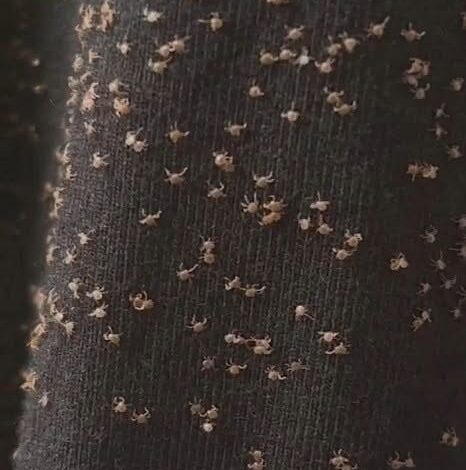
I spent my entire afternoon brushing them off my jeans, cursing the tiny, prickly hitchhikers that had turned my relaxing woodland stroll into a literal nightmare of needles and hooks. By the time I reached the safety of my porch, my pant legs were a dense, matted wall of brown, spiked burrs. I was furious, ready to grab a pair of scissors and hack away at the mess. But as I pulled one away, something shifted. Under the dying light of the sun, I saw them for what they really were: brilliant, ruthless, and terrifyingly calculated biological machines.
They say you never truly notice the world until it starts actively clinging to you, and these seeds were not just clinging—they were demanding a ride. As I sat there in the silence of my backyard, the frustration began to dissolve into a strange, cold, and heavy sense of awe. I hadn’t felt them attach. I hadn’t felt the moment of the crime. I had simply walked through the long, swaying grass, lost in my own mundane thoughts, completely unaware that I had been targeted by a masterpiece of evolutionary engineering.
When we think of plants, we tend to think of them as static, passive decorations in the landscape—gentle greens that grow in the sun and wait for the rain. We don’t think of them as aggressive travelers or master strategists. But those burs were not just debris; they were precision-tooled vessels of survival. They were built with hooks, barbs, and microscopic, spring-loaded tension points designed specifically to lock onto the woven fibers of my denim. They were hitching a ride on the apex predator of the food chain, using my own legs as a high-speed transit system to reach lands I would never have thought to carry them to.
Looking at them closely, I realized the sheer amount of energy and time it must have taken for nature to refine such a perfect mechanism. These plants didn’t have wings to soar on the wind, and they didn’t have sugary, vibrant fruits to entice hungry birds to carry them away. They had developed a different path: the path of the thief. They had evolved to become expert infiltrators, turning every passing hiker, every stray dog, and every curious animal into an unsuspecting, forced accomplice. It was a beautiful, quiet violence.
The fear that usually accompanies finding something invasive on your clothes turned into a kind of stunned respect. I realized that my own ego had led me to believe I was the one walking through the forest, observing nature at my leisure. In reality, I was just a vehicle—a giant, bipedal, walking delivery truck for a species that was simply waiting for a ride. I had been hijacked, and I hadn’t even had the decency to notice.
This realization changed the entire landscape for me. The tall grass that I had previously seen as just a tangled mess of weeds now looked like a waiting room for travelers. Every blade of grass was teeming with these tiny stowaways, each one waiting with baited breath for the next heartbeat to pass by. They were patient, they were opportunistic, and they were, in their own way, brilliant. I began to wonder how many miles I had already walked in my life with these tiny, determined passengers buried deep in my cuffs and shoe laces, unknowingly populating distant fields with life that had hitched a ride on my back.
We often move through our lives believing that we are the protagonists, the ones in control of our own paths, and the ones making the decisions about where we go and what we do. We assume that the environment around us is just a backdrop, something to be looked at or stepped over. But the world is not that simple. It is a vast, interconnected web of intentionality, where every tiny thing is working toward a purpose that is often invisible to our distracted eyes. The grass wasn’t just growing; it was reaching out. It was reaching out for me, and for anyone else who dared to cross its threshold.
Now, whenever I find myself walking near overgrown trails or through fields where the goldenrod meets the thistle, I don’t move with the same reckless indifference. I move with a sense of wariness, but also a sense of wonder. I find myself looking closer at the ground, watching the way the stalks lean toward the path, as if they are stretching out their tiny, spiked fingers to catch the next bus.
It is a humbling lesson in the scale of existence. We are so busy worrying about the grand narratives of our lives, the major crises, and the big, bold choices, that we miss the quiet, persistent, and incredibly sophisticated life that happens at our ankles. There is a whole world happening in the margins—a world of tiny invaders, brilliant hitchhikers, and passenger seeds that are far more capable than we give them credit for.
I still pick them off, of course. My jeans need cleaning and I don’t need a garden of weeds growing in my laundry room. But I do it with a different intent now. I don’t brush them off with anger or annoyance; I take them off with a nod to their tenacity. I am no longer just a person walking through a park; I am a witness to a secret, invisible transport system that has been running long before I was born and will continue long after I am gone.
The next time you walk through the woods and feel that familiar prick of a burr against your sock, don’t just brush it off as an annoyance. Stop for a moment. Look at the tiny, hooked teeth that are trying so hard to cling to you. Recognize the, yes, even respect the sheer, desperate, and beautiful drive that exists in every living thing to move, to grow, and to go further than they could ever reach on their own. We are all just vehicles for one another, carrying the seeds of the future on our backs, even when we don’t realize that we are the ones being carried.