When Changes in Aging May Signal a Mini-Stroke, What to Look For!
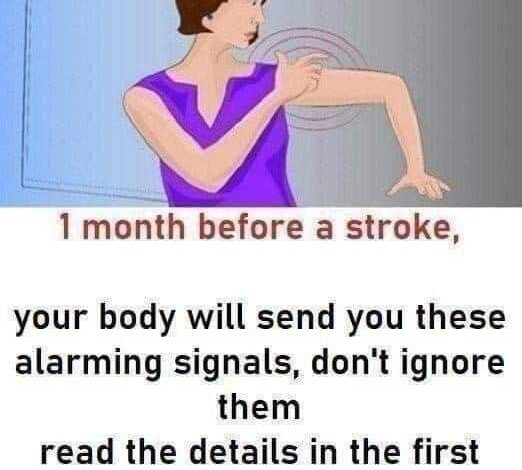
In the landscape of 2026, where medical science and digital diagnostics have become increasingly integrated into our daily lives, the distinction between “normal aging” and a neurological emergency has never been more critical. As the global population trends older, the subtle shifts in cognitive and physical function are often dismissed as the inevitable friction of time. However, specialized neurological insights suggest that what many perceive as a “senior moment” may actually be a Transient Ischemic Attack (TIA), more colloquially known as a mini-stroke. Understanding the mechanics of a TIA is not merely an academic exercise; it is a vital safeguard for longevity and cognitive preservation.
A TIA occurs when the blood supply to a specific region of the brain is temporarily obstructed. Unlike a full ischemic stroke, where the blockage is permanent and leads to tissue death, a TIA involves a clot or a narrowed artery that briefly starves the brain of oxygen before the blockage dissolves or moves. This “transient” nature is precisely what makes it so dangerous. Because the symptoms often vanish within minutes—sometimes before a person can even finish a sentence—there is a psychological tendency to treat the event as a fluke rather than a medical harbinger. In the world of 2026 healthcare, a TIA is viewed as a “siren in the night,” a final warning that a catastrophic stroke is imminent unless immediate intervention occurs.
Decoding the Symptoms: Aging vs. Emergency
One of the greatest challenges for families and caregivers is differentiating between the gradual decline of aging and the sudden onset of a mini-stroke. Aging is a process of attrition; it is the slow, predictable reduction in speed or memory over years. A TIA, conversely, is an event of “suddenness.” Clinical neurologists emphasize the BE FAST acronym, which has become the gold standard for identification in 2026:
- Balance: Sudden loss of coordination or a feeling of dizziness.
- Eyes: Sudden blurred vision or loss of sight in one or both eyes.
- Face: Drooping on one side of the features, often visible in the smile.
- Arms: Weakness or numbness, typically isolated to one side of the body.
- Speech: Slurred words, difficulty finding the right vocabulary, or confusion.
- Time: The critical window for intervention is immediate, even if symptoms fade.
When these symptoms appear, the brain is effectively “rebooting” under duress. Even if a person feels perfectly fine thirty minutes later, the underlying cause—often a piece of plaque from the carotid artery or a small clot from the heart—remains a persistent threat. Dismissing a TIA as “tiredness” or “dehydration” is a gamble with one’s future independence.
The Landscape of Risk in 2026
The risk factors for a mini-stroke are a reflection of both genetics and modern lifestyle choices. High blood pressure (hypertension) remains the primary architect of stroke risk, as it weakens the arterial walls over decades. Diabetes, high cholesterol, and heart disease also create the “perfect storm” for clot formation. In the current year, we are also seeing more data on the impact of environmental stressors and long-term habits, such as smoking and excessive alcohol consumption, on vascular health.
Interestingly, medical updates in early 2026 have highlighted surprising intersections in health. Recent studies out of South Korea, for instance, suggest that certain vaccinations, like the shingles vaccine, may provide secondary benefits to cardiovascular health by reducing systemic inflammation—a key driver of TIA. This reminds us that the body is a holistic system; protecting one aspect of health often provides a protective “halo effect” for the brain.
From Detection to Protection: The Path of Intervention
Once a TIA is suspected, the medical response is a sophisticated race for data. In 2026, diagnostic imaging has reached unprecedented levels of clarity. Doctors utilize CT scans and MRIs to look for “silent” damage and use carotid ultrasounds to check for narrowing in the primary vessels leading to the brain.
The treatment plan following a TIA is usually two-pronged: pharmacological and lifestyle-based.
- Medical Management: This often involves antiplatelet medications (like aspirin or clopidogrel) to prevent the “stickiness” of blood cells, or anticoagulants for those with heart rhythm issues like atrial fibrillation. Statin therapy is frequently used to stabilize arterial plaques, ensuring they don’t break off and travel to the brain.
- Structural Correction: In cases where the carotid artery is significantly narrowed, procedures such as stenting or a carotid endarterectomy may be performed to manually restore clear blood flow.
The Role of Lifestyle as a Biological Shield
While medication is a powerful tool, it cannot replace the foundational protection of a healthy lifestyle. The brain is the most metabolically active organ in the body, and its health is directly tied to the “fuel” and “maintenance” it receives.
- The Power of Movement: Regular cardiovascular exercise—even a brisk 30-minute walk—helps maintain arterial elasticity and lowers blood pressure.
- Nutritional Defense: Diets rich in antioxidants, leafy greens, and omega-3 fatty acids (the Mediterranean or DASH diets) have been proven to reduce the inflammatory markers associated with stroke.
- Stress and Sleep: Chronic stress triggers the release of cortisol, which can harden arteries over time. Prioritizing restorative sleep allows the brain’s glymphatic system to “cleanse” metabolic waste, supporting overall neurological resilience.
A Community Context: Awareness Saves Lives
The importance of recognizing a TIA is currently resonating across diverse communities, often appearing in the periphery of other major national stories. As the public follows the intense, tech-driven search for Nancy Guthrie in Arizona—where investigators are utilizing AI and forensic “pings”—the medical community is using the same spirit of vigilance to encourage “self-forensics” for health. Just as a single “weak signal” in a search can lead to a breakthrough, a single “weak symptom” in an aging parent can be the lead that prevents a life-altering tragedy.
The stories of 2026 are often about resilience in the face of sudden change. Whether it is a community rebuilding after the Pamplona Alta fires or a family navigating the uncertainty of a missing loved one, the underlying theme is the importance of a rapid, informed response. In the context of a mini-stroke, that response is the difference between a minor scare and a major disability.
A TIA is the body’s way of “editing” its own future. It is a moment of temporary failure that offers a permanent opportunity for change. By choosing to see these symptoms not as a sign of “getting old,” but as a call to action, we can preserve the quality of life, the clarity of mind, and the precious time we have with those we love. Awareness is the first line of defense; action is the ultimate protection. In 2026, we have the tools to listen when the brain speaks—even if it only speaks in a whisper.