VANISHING HORIZONS, The Toxic Haze Choking the Southern US and Why Experts Say the Worst is Yet to Come
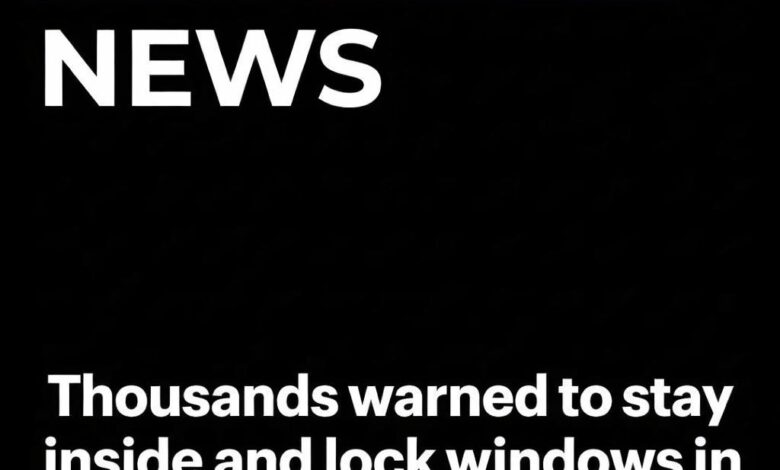
In the vast, sun-drenched landscapes of the American Southwest, the air is usually a source of pride—crisp, clear, and stretching for miles. But on April 2, 2026, that pride was replaced by a suffocating reality as a massive air quality alert swept across the Southern United States, forcing more than a million residents from El Paso to Lubbock and into the heart of New Mexico to retreat behind closed doors. Air quality, a factor many treat as mere background noise in their daily lives, suddenly became a localized emergency, proving that the very atmosphere we trust can turn predatory in a single afternoon.
The transformation was fueled by a perfect, invisible storm of environmental factors. It began with the arid desert soils, parched from a lack of seasonal rain, which were easily hoisted into the sky by powerful, high-altitude winds. As this natural dust migrated toward urban centers, it collided with the stagnant weight of industrial emissions and heavy traffic exhaust. Instead of dispersing, a unique atmospheric inversion acted like a lid on a pot, trapping a toxic cocktail of fine particulate matter—known as PM2.5—close to the ground. These particles are particularly insidious; they are small enough to bypass the body’s natural defenses, slipping deep into the lungs and even entering the bloodstream.
For the most vulnerable members of the community, this wasn’t just an inconvenience; it was a genuine medical crisis. For older adults, young children with developing respiratory systems, and those already battling asthma or heart conditions, the simple act of walking to a mailbox became a high-stakes health risk. Emergency rooms across the region remained on high alert as health agencies scrambled to issue “Code Red” warnings, urging people to stay indoors and keep windows tightly sealed. The hazy, sepia-toned light that bathed cities like El Paso served as a visual reminder of the thin line between a healthy environment and an ecological catastrophe.
What makes this specific event so sobering is the blurred line between natural phenomena and man-made neglect. While the wind and dust are ancient elements of the desert cycle, the intensity of the haze was undeniably amplified by the sheer volume of urban pollutants. This “smog-dust” hybrid represents a new era of environmental challenge for the South, where rapid population growth meets an increasingly unpredictable climate. It serves as a stark warning that as the region grows hotter and drier, these “air events” are likely to shift from rare occurrences to seasonal certainties.
As the day progressed, the disruption was total. Outdoor school activities were canceled, construction projects ground to a halt, and even the “Tiny House” movement—which prizes a close connection to the outdoors—was forced to reckon with the limitations of a lifestyle that depends on a hospitable environment. The alert reminded everyone that paying attention to air quality indices isn’t just for the hypersensitive; it is a vital act of self-preservation.
By nightfall, as the winds began to shift and the haze showed the first signs of thinning, the lesson remained etched in the grit on every windowsill. We are often lulled into a false sense of security by the vastness of our surroundings, yet we are entirely dependent on a few miles of breathable atmosphere. This April alert was more than just a weather report; it was a call to stewardship. It proved that in the face of a changing climate and industrial expansion, our resilience depends on our ability to respect the air we breathe. For over a million people in the Southwest, the horizon may eventually clear, but the memory of a day when the sky turned against them will not fade so easily.