The Hidden Reasons You Keep Getting Pimples on Your Chin!
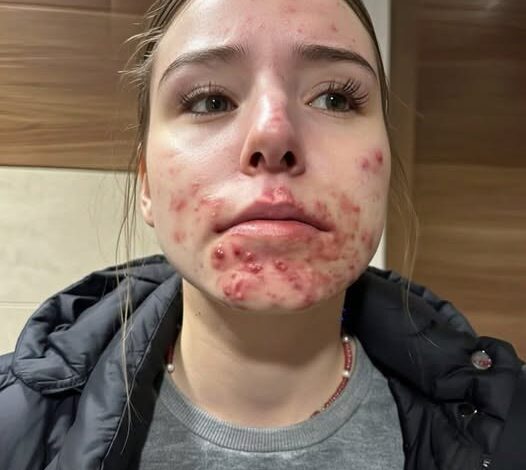
For a significant number of individuals, the persistent reality of adult acne—particularly stubborn breakouts concentrated around the chin and jawline—is a frustrating and unwelcome carryover from the teenage years. This issue is not exclusive to young adults; dermatologists are reporting a notable increase in cases of adult chin acne in patients well over the age of 40, and even among those in their retirement years. If you find yourself grappling with these persistent pimples, understanding the hidden, often complex culprits behind their appearance is the first critical step toward achieving clear, healthy skin.
Unlike the common perception that acne is purely a matter of poor hygiene, the causes of chin breakouts in mature individuals are highly sophisticated, spanning a spectrum from manageable lifestyle factors like stress and diet, to deeper, more systemic hormonal shifts that are natural consequences of aging. The good news is that with a targeted, informed approach, this type of acne is not only manageable but, in many cases, entirely preventable. This detailed guide walks through the primary drivers of persistent chin pimples, explaining why they tend to manifest later in life, and outlining the actionable steps you can take to finally reclaim your skincare routine and confidence.
Hormonal Imbalance: The Core Driver of Adult Chin Acne
The single biggest factor driving the development of chin pimples in adults is hormonal imbalance. Clinically, acne that presents along the chin and jawline is distinct from breakouts on the forehead or cheeks because it has a strong, identifiable link to androgens (male hormones present in both sexes). Fluctuations in these hormones directly stimulate the sebaceous glands, leading to an overproduction of sebum (oil), which, in turn, clogs pores and triggers inflammation.
For women, this hormonal activity is frequently tied to specific life stages and conditions:
- Perimenopause and Menopause: The natural decline in estrogen relative to androgen levels can create an imbalance that drives oil production.
- Hormone Replacement Therapy (HRT): Introduced hormones can destabilize the internal balance, leading to flare-ups.
- Contraceptive Use: Stopping or starting birth control pills is a common trigger as the body adjusts to sudden changes in synthetic hormone levels.
- Underlying Health Conditions: Conditions such as Polycystic Ovary Syndrome (PCOS) cause excess androgen production, often resulting in stubborn, cystic chin acne that requires specialized medical diagnosis and treatment.
Even for men, natural hormonal shifts with age can alter the skin’s oil profile, making the lower face particularly susceptible to clogged pores. If you observe a predictable pattern—such as breakouts that align with your menstrual cycle or flare-ups during periods of significant hormonal change—it’s highly probable your skin is reacting to internal shifts rather than external habits. Consulting a professional for hormone testing can be an essential part of the treatment plan.
Stress, Cortisol, and the Mind-Skin Connection
The illusion that stress dissipates in the later years is often far from reality. Concerns related to financial planning, caregiving responsibilities, managing chronic health challenges, or even the daily rigors of modern life can elevate internal stress levels.
When the body perceives stress, it responds by flooding the system with cortisol, the primary “stress hormone.” Cortisol is a powerful trigger for oil glands, causing them to go into overdrive (seborrhea), which inevitably leads to pore clogging and inflammatory breakouts, specifically in the lower facial region. For older adults, this visible manifestation of stress can be deeply frustrating. Implementing effective stress management techniques—such as daily mindfulness meditation, gentle aerobic exercise, or engaging in regular time outdoors—is crucial. These practices improve overall well-being and provide clinically proven benefits for the health and appearance of mature skin.
The Undeniable Role of Nutrition in Skin Health
Increasing dermatology research confirms that diet plays a significant, non-negotiable role in sparking acne flare-ups, with the chin often being the first indicator zone. Certain dietary components can increase systemic inflammation and spike insulin-like growth factor (IGF-1), both of which are strongly correlated with acne pathogenesis.
Key dietary triggers include:
- Dairy Products: Certain components in milk and dairy (including some cheeses) are potent acne contributors for sensitive individuals.
- Refined Sugars and Processed Carbohydrates: Foods like white bread, pasta, pastries, and sodas have a high glycemic index (GI), causing rapid spikes in blood sugar that promote inflammation and oil production.
For seniors, refining the diet offers a dual benefit: it supports clearer skin and simultaneously mitigates the risk factors for serious chronic conditions like Type 2 diabetes, cardiovascular disease, and weight gain. Replacing processed snacks with nutrient-dense whole foods—such as fresh fruits, vegetables, lean protein sources, and whole grains—is a highly effective strategy for long-term health and skin clarity. This falls under the umbrella of effective nutritional advice for clear skin.
Overlooked External Contributors and Skincare Fixes
While internal factors are primary, external habits can certainly exacerbate chin acne. Common skincare mistakes include using products that are overly harsh or drying, which paradoxically strips the skin’s natural barrier and signals the oil glands to produce more oil as compensation. For mature skin, gentleness is paramount. An effective anti-aging skincare regimen should prioritize a mild, fragrance-free cleanser, followed by a non-comedogenic moisturizer, and targeted treatments featuring active ingredients like salicylic acid, benzoyl peroxide, or adapalene (a powerful retinoid). These clinically proven ingredients help to unclog pores and reduce the underlying inflammation without causing excessive irritation to aging skin.
Furthermore, daily habits are critical: frequent touching of the face, inadequate cleaning of cell phone screens, and infrequent changes of pillowcases all facilitate the transfer of bacteria and oil onto the chin area, leading to breakouts. Even certain hair and styling products containing waxes, heavy oils, or silicones can transfer onto the skin, clogging pores along the jawline. A simple fix involves choosing oil-free or non-comedogenic hair and skin products.
If persistent or severe acne remains unresponsive to comprehensive over-the-counter solutions and lifestyle adjustments, seeking a dermatology consultation is essential. A specialist can prescribe stronger topical treatments, oral medications (such as spironolactone for hormonal acne), or advanced options like laser and light-based therapies to effectively target and manage stubborn adult hormonal acne.