Minneapolis Identifies 37-Year-Old ICU Nurse Alex Pretti After Fatal Encounter With Federal Agents!
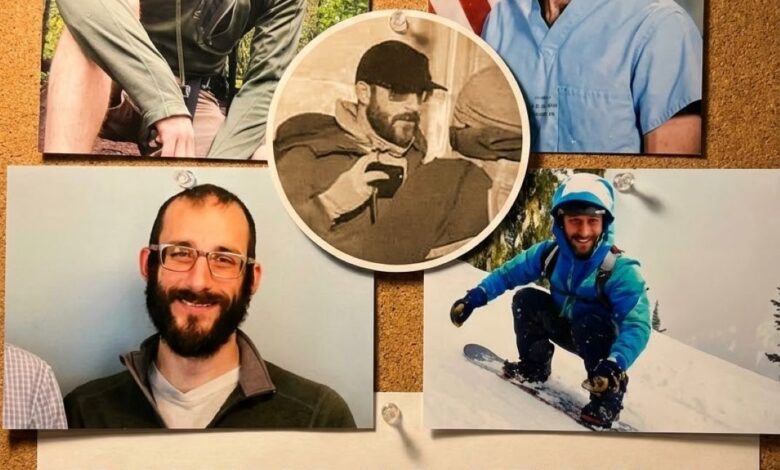
In late January 2026, a federal immigration enforcement operation in Minneapolis ended with a man dead, leaving residents demanding clarity about what happened and why it happened. Officials confirmed that federal officers were conducting a targeted action when the situation escalated into a confrontation. During that encounter, an officer fired a weapon. The man was transported to a nearby hospital, where he later died from his injuries.
Authorities described the event as an active, developing matter, saying the circumstances remain under review and that more details would be released once internal and external investigations are further along. The incident unfolded during a period of heightened federal immigration activity in the region, with multiple recent operations already drawing concern from community members and local advocates. For many in Minneapolis, the death intensified a growing sense of unease about enforcement actions taking place in their neighborhoods, particularly when basic questions about scope, tactics, and oversight appear unanswered in the immediate aftermath.
Not long after the initial reports, the man was identified by relatives as Alex Jeffrey Pretti, a 37-year-old registered nurse and U.S. citizen. Family members said his death came as a shock, not only because of the circumstances surrounding the encounter, but because of the life he had built—one centered on service, stability, and helping people through some of their worst moments.
According to relatives, Pretti worked as an intensive care unit nurse at the Minneapolis Veterans Affairs hospital. Colleagues described him as reliable and compassionate, someone who stayed calm under pressure and treated patients with dignity even when the work was exhausting and emotionally heavy. In a place where staff routinely face emergencies, grief, and long nights, he was remembered as someone who kept showing up with professionalism and heart.
Pretti was born in Illinois, his family said, and later moved to Minnesota, where he studied nursing at the University of Minnesota. He earned his nursing license in 2021, a milestone his loved ones viewed as the culmination of years of work and determination. Friends and coworkers recalled how seriously he took the responsibility of caring for people in critical condition, emphasizing that he didn’t treat nursing like a job he could clock out of emotionally. To those who knew him, his identity as a caregiver wasn’t performative or temporary—it was consistent, woven into how he moved through the world.
Away from the hospital, his family said Pretti found balance outdoors. He enjoyed nature and spent time outside when he could, appreciating the kind of quiet that can feel rare in a busy city and a demanding profession. Relatives also said he cared about environmental causes and paid attention to broader social issues. He was described as engaged—someone who read, talked, listened, and formed opinions based on a deep belief that communities are responsible for one another.
Family members also shared that he sometimes attended public demonstrations, especially when he felt strongly about an issue. They emphasized that he supported peaceful expression and believed participation was part of being a responsible member of society. Friends echoed that view, describing him as socially aware and guided by empathy, someone who didn’t easily ignore what others were going through. Those close to him framed his civic involvement as an extension of the same instinct that drew him to nursing: the desire to protect, to advocate, and to help.
In the days after his death, tributes began appearing online and in local circles. People who worked alongside him posted memories and condolences, describing moments when he encouraged a coworker through a difficult shift, stayed late to ensure a patient was stable, or brought a steady presence to a tense room. Others highlighted his fairness—his refusal to belittle people, his willingness to hear others out, and his habit of showing up when help was needed without demanding attention for it. In public grief, individuals often become symbols. Those who knew Pretti personally seemed intent on preserving something more specific: the memory of a real person with routines, relationships, and a profession built on protecting life.
The incident also reignited local focus on another recent death tied to a federal operation in Minneapolis. Only weeks earlier, a separate encounter during federal activity resulted in the death of a local woman identified as Renee Nicole Good. Her death had already led to vigils, community meetings, and calls for transparency from local leaders and advocates. Good was remembered as a creative individual, a mother, and a supportive neighbor. Residents spoke of her loss not as an isolated tragedy, but as part of a pattern they feared was forming—one in which enforcement operations produce irreversible outcomes while details remain vague for too long.
With two fatal incidents occurring close together in the same city, the pressure for clear explanations intensified. Families and community members asked what policies guided these operations, how decisions were made in moments of confrontation, and what accountability mechanisms would apply when someone is killed. Even among those who disagree sharply on immigration enforcement, there is a shared expectation that deadly force should be exceptional, transparent, and subject to rigorous review. In Minneapolis, many residents said they were not seeing enough information quickly enough to trust the process.
Officials reiterated that investigations were ongoing. Meanwhile, grief moved faster than bureaucracy. Pretti’s family mourned a son and a relative they described as thoughtful and driven. His coworkers mourned someone who had taken care of veterans in critical condition, often at the edge of life and death. Friends mourned a person they believed stood for fairness and compassion. And the wider community, already raw from a recent fatal case, confronted the feeling that things were slipping toward a dangerous normal—one where people die during enforcement actions, and the public is left to piece together meaning from fragments.
As official reviews continue, those who loved Alex Jeffrey Pretti are left holding two truths at once: the life he lived, defined by service and care, and the way he died, defined for now by unanswered questions. In the absence of full explanations, what remains is the human cost—families in shock, colleagues grieving, and a city waiting for accountability with the sharp understanding that waiting doesn’t bring anyone back.