How Changing Your Sleeping Position May Improve Comfort and Rest!
While the pursuit of health often centers on the rigorous demands of diet and exercise, one of the most transformative elements of human well-being occurs in the absolute stillness of the night. Sleep is far more than a passive state of rest; it is a vital, active period of physiological maintenance where the body undergoes a series of complex restorative processes. Most people focus exclusively on the duration of their sleep, meticulously counting hours to ensure they hit the elusive eight-hour mark. However, health specialists are increasingly emphasizing a different metric of nocturnal success: sleep architecture and, more specifically, sleep posture. The way we align our bodies during the hours of darkness can be the difference between waking up in a state of chronic inflammation or rising with a sense of profound vitality.
Among the various options for rest, sleeping on the left side has emerged as a gold standard for promoting internal harmony. This specific orientation is not a matter of arbitrary preference but is rooted in the unique asymmetrical layout of the human anatomy. By working with the natural force of gravity rather than against it, left-side sleeping optimizes the mechanical and chemical functions of our vital organs. When we make the conscious choice to adjust our posture, we aren’t just seeking comfort; we are providing our internal systems with the structural support they need to perform their duties with maximum efficiency.
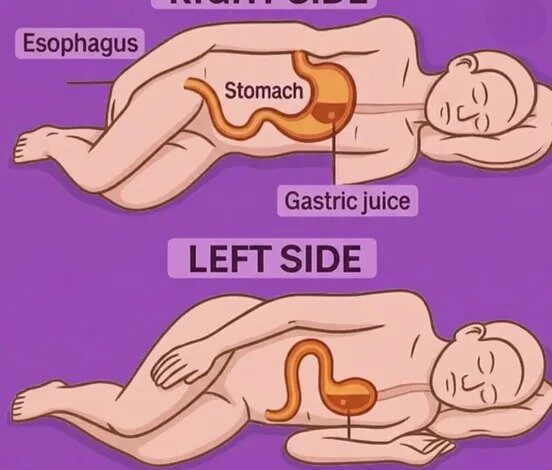
One of the most immediate and tangible benefits of adopting a left-side orientation involves the gastrointestinal system. The stomach is not a centered organ; it sits naturally toward the left side of the upper abdomen. When a person sleeps on their right side, the stomach is positioned above the esophagus, creating a gravitational slope that allows gastric acid to leak upward. This often results in the burning sensation of acid reflux or the persistent annoyance of nighttime heartburn. Conversely, by resting on the left side, the stomach and its acidic contents remain safely below the esophageal sphincter. This simple shift in physics can provide a chemical-free solution for those who suffer from chronic indigestion. Beyond acidity, this posture facilitates the movement of waste from the small intestine to the large intestine through the ileocecal valve, effectively reducing bloating and ensuring that the digestive cycle remains on schedule for the morning.
Beyond the visible mechanics of digestion lies the more subtle, yet equally critical, work of the lymphatic system. Often referred to as the body’s internal waste management network, the lymphatic system is responsible for filtering out toxins, moving cellular waste, and supporting immune surveillance. Interestingly, the left side of the body is the dominant side for lymphatic drainage. The thoracic duct, which is the largest lymphatic vessel in the body, travels up the left side and empties into the left subclavian vein. Lying on the left side encourages the natural flow of lymph toward the heart, facilitating the removal of metabolic waste products from the brain and the rest of the body. This “cleansing” process is vital for long-term neurological health and immune resilience, ensuring that we wake up without the “brain fog” often associated with poor-quality rest.
Circulatory health is similarly influenced by the way we lie in bed. The heart is the engine of the body, and its job becomes significantly easier when it doesn’t have to fight gravity to move blood. The aorta, the body’s largest artery, arches to the left as it leaves the heart to deliver blood to the rest of the system. By sleeping on our left, we assist the heart in this pumping action. Furthermore, this position prevents the heavy weight of the internal organs from compressing the inferior vena cava, the major vein that carries blood back to the heart from the lower body. When pressure is removed from these vital vessels, circulation becomes more fluid, blood pressure can stabilize more effectively, and the heart can maintain a steady, restorative rhythm throughout the night.
This circulatory benefit becomes a matter of clinical importance during pregnancy. For expectant mothers, particularly as they progress into the second and third trimesters, sleep position is no longer just about personal preference; it is a vital component of prenatal care. Doctors universally recommend sleeping on the left side to optimize blood flow to the placenta. This position prevents the growing uterus from putting undue pressure on the liver and the major blood vessels, ensuring that both the mother and the developing baby receive a constant, unobstructed supply of oxygen and nutrients. It also aids in kidney function, helping the body filter fluids more effectively and reducing the common pregnancy-related issue of swelling in the ankles and feet.
Even for those without specific medical conditions, the cumulative effect of small postural adjustments can lead to a significant upgrade in sleep quality. The human body is a masterpiece of engineering, but like any machine, it requires proper alignment to function at its peak. When we sleep in positions that strain our joints or compress our organs, we wake up feeling “stiff” or “heavy,” a sign that our bodies spent the night fighting for space and air rather than repairing tissue. By intentionally choosing the left side, we create an internal environment characterized by ease rather than tension.
Transitioning to a new sleep position can be a gradual process, as the body is a creature of habit. However, the use of supportive pillows—such as a long body pillow or a firm pillow tucked between the knees—can help maintain the left-side orientation and prevent the body from rolling onto the back or stomach during the night. These external tools provide the structural cues needed to keep the spine neutral and the organs properly positioned.
In conclusion, while we cannot control every factor that influences our health, we have total autonomy over the way we lie down at the end of the day. Choosing to sleep on the left side is a subtle yet powerful act of self-care. It is an acknowledgment that our bodies are constantly working to keep us alive and well, and that they deserve a postural environment that supports those efforts. By aligning ourselves with the laws of gravity and the realities of our own anatomy, we turn the act of sleeping into a proactive health intervention. The result is a night of rest that is deeper, a digestive system that is more efficient, and a heart that beats more easily—all leading to a morning where we feel truly prepared to meet the demands of the day.