Here is What You Need To Know About Chronic Constipation! A Silent Killer To Your Digestive Health
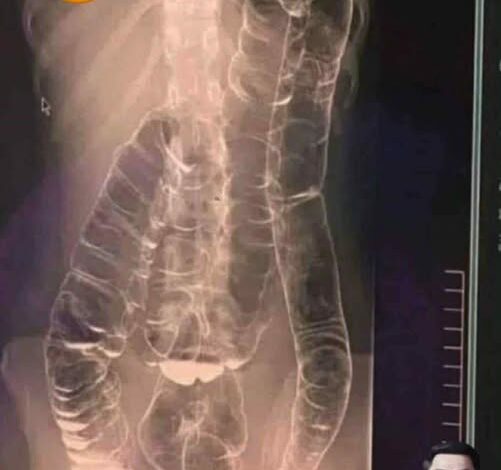
The human digestive system is a marvel of biological engineering, a complex assembly line responsible for extracting life-sustaining nutrients and expelling the waste products of metabolism. When this system functions smoothly, it remains an invisible background process of a healthy life. However, when the rhythm of elimination is disrupted, a condition known as chronic constipation can take hold. Far from being a mere social inconvenience or a minor physical discomfort, chronic constipation is often described by medical professionals as a “silent killer” of digestive health. Left unaddressed, it can lead to a cascade of systemic issues, ranging from physical structural damage like hemorrhoids and anal fissures to more profound complications like fecal impaction or a compromised microbiome. Understanding the mechanics of this condition—and the lifestyle shifts required to reverse it—is essential for anyone seeking long-term vitality.
The primary role of the large intestine, or colon, is to absorb water from the residual food matter passing through it and to form solid waste. Constipation occurs when the muscle contractions of the colon are too slow or sluggish, causing the waste to move through the digestive tract at a glacial pace. The longer the waste sits in the colon, the more water is absorbed, resulting in stool that is hard, dry, and difficult to pass. Over time, this chronic backup creates a toxic environment. The body begins to reabsorb metabolic byproducts that were meant to be expelled, leading to symptoms that extend far beyond the gut: brain fog, skin breakouts, persistent fatigue, and a general sense of physical heaviness.
The Pillars of Natural Prevention
Fortunately, for many individuals, the solution to chronic constipation does not lie in a pharmacy bottle but in a series of fundamental lifestyle recalibrations. These “pillars of prevention” focus on restoring the natural motility of the gut through biological support rather than chemical intervention.
The first and most critical pillar is fiber intake. In the modern Western diet, processed foods have stripped away the structural integrity of our nutrients. Fiber acts as the “broom” of the digestive tract. Soluble fiber, found in oats and beans, absorbs water to create a gel-like consistency that eases the passage of waste. Insoluble fiber, found in whole grains and vegetables, adds necessary bulk to the stool, stimulating the intestinal walls to contract. Without adequate fiber, the colon has nothing to “grip,” leading to the stagnation that characterizes chronic constipation.
The second pillar is hydration. Fiber is effectively useless—and can even be counterproductive—without sufficient water. If you increase your fiber intake without increasing your water consumption, the fiber can sit in the gut like a dry brick, worsening the blockage. Water is the lubricant of the digestive machine. It ensures that the fiber remains supple and that the mucosal lining of the intestines stays slick enough for waste to slide through effortlessly.
The third pillar is regular movement. The gut and the muscular system are intrinsically linked through the enteric nervous system. When you exercise, you stimulate the natural contractions of your intestinal muscles, a process known as peristalsis. Even a brisk thirty-minute walk after a meal can significantly decrease “transit time”—the duration it takes for food to move from entry to exit. Conversely, a sedentary lifestyle leads to a sedentary gut.
The Psychology of the Bathroom Routine
Beyond the physical inputs of food and water, the digestive system is highly sensitive to routine and stress. Developing a consistent bathroom habit is a psychological and physiological necessity. The body operates on circadian rhythms; it likes to perform certain tasks at certain times. By carving out a dedicated, unhurried window each morning—perhaps after a warm beverage which stimulates the gastrocolic reflex—you “train” your nervous system to relax and allow the elimination process to occur. Ignoring the urge to go because of a busy schedule or a lack of privacy is one of the quickest ways to develop chronic issues, as the body eventually stops sending the signals altogether.
The modern diet is perhaps the greatest enemy of a healthy gut. Processed foods, high in refined sugars and low-quality fats, lack the enzymes and roughage needed for easy digestion. These “dead” foods slow down the entire system, leading to fermentation and gas buildup. Limiting these in favor of fermented foods like kimchi, sauerkraut, or yogurt can introduce beneficial probiotics that help break down waste more efficiently. Furthermore, natural remedies such as magnesium supplements or herbal teas (like peppermint or ginger) can provide a gentle “nudge” to the system without the harsh, habit-forming effects of stimulant laxatives.
Recognizing the Red Flags
While lifestyle changes can resolve the majority of cases, it is vital to recognize when constipation moves from a functional issue to a clinical emergency. If the condition persists for more than a few days despite increased fiber and water, or if it is accompanied by “red flag” symptoms, medical intervention is non-negotiable.
Severe abdominal bloating that causes visible distension, persistent vomiting, or the presence of blood in the stool are indicators of a potential bowel obstruction or an underlying inflammatory condition. In these cases, the “silent killer” may be a symptom of a more aggressive pathology that requires professional diagnostic tools like a colonoscopy or imaging. Ignoring these signs in hopes that the problem will resolve itself can lead to life-threatening complications such as a perforated bowel or systemic sepsis.
The Long-Term Vision for Gut Health
Maintaining digestive health is not a one-time fix; it is a philosophy of living. It requires an ongoing dialogue with your own body, learning to recognize the subtle cues of thirst, hunger, and the need for rest. By adopting small, consistent habits—drinking an extra glass of water upon waking, choosing a salad over a refined snack, or taking the stairs instead of the elevator—you are protecting your body from the long-term wear and tear of toxic buildup.
The goal is to move from a state of reactive crisis management to one of proactive wellness. A healthy gut is the foundation of a healthy immune system, a stable mood, and high energy levels. When you treat your digestive health as a priority rather than an afterthought, you are protecting your overall well-being and ensuring that your body’s “silent” processes continue to work in harmony for decades to come.
Ultimately, the journey to a healthier gut is about reclaiming the natural rhythms that modern life has obscured. It is an act of self-respect to listen to the needs of your digestive system and to provide it with the fuel and the environment it needs to thrive. The cost of neglect is high, but the reward for consistency is a life defined by lightness, vitality, and true physical freedom.