Fix a Broken Zipper in Just 1 Minute, No Tailor Needed!
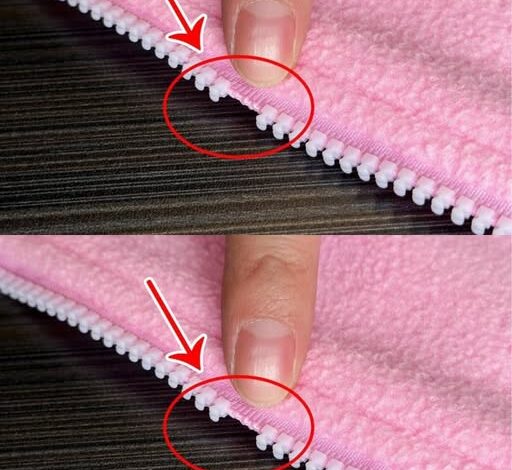
The sudden failure of a zipper is one of life’s most persistent and ill-timed inconveniences. Whether it occurs as you are rushing out the door for a crucial meeting, dressing for a formal event, or attempting to close a heavy winter coat against a bitter wind, the sensation of a jammed or split slider is instantly recognizable and universally frustrating. Often, our first instinct is to assume the garment is ruined or that a costly trip to a professional tailor is inevitable. However, a deeper understanding of the mechanics of the zipper reveals that most failures are not structural catastrophes but simple mechanical hitches. By applying a few foundational principles of physics and lubrication, you can restore functionality to almost any jammed zipper in about sixty seconds, saving both your wardrobe and your wallet.
To master the art of the one-minute repair, it is helpful to first understand why zippers fail. A zipper is essentially a series of interlocking teeth, designed to be wedged together by a slider. When the slider moves, it forces the teeth into a precise alignment. Problems typically arise from two primary sources: friction and misalignment. Over time, the metal or plastic teeth can become dry or coated in microscopic debris, creating resistance that causes the slider to snag. Alternatively, the slider itself—which is made of a relatively soft metal—can slightly expand through repeated use, losing its grip on the teeth and allowing them to pull apart even after they have been “zipped.” The secret to a successful DIY fix lies in addressing these two issues with common household items.
The Essential Repair Toolkit
Before you begin, you will need to identify a lubricant. You likely already have one of three perfect candidates within reach:
- A Graphite Pencil: The “lead” in a standard pencil is actually graphite, one of the most effective dry lubricants on the planet.
- A Bar of Soap: Dry soap provides a slick surface that allows plastic and metal to glide without catching.
- A Small Candle: Paraffin wax acts as a long-lasting coating that smooths out jagged edges on zipper teeth.
- Optional Pliers: If the slider has become loose or “gaped,” a small pair of needle-nose pliers will be necessary to provide a permanent fix.
The Sixty-Second Execution
Step One: Diagnose the Obstruction
Begin by clearing the area around the slider. Often, what appears to be a broken zipper is actually just a small piece of fabric or a stray thread caught in the mechanism. Gently pull the fabric away from the slider’s mouth. If the teeth are simply splitting open behind the slider as you pull it up, the problem is a loose slider. If the slider refuses to budge at all, the problem is friction or a misalignment of the teeth.
Step Two: Application of Lubricant
This is where the magic happens. If you are using a graphite pencil, rub the tip vigorously over the teeth specifically where the slider is stuck and for an inch or two above and below it. If you are using soap or a candle, run the edge of the bar or the wax along the teeth on both sides. You want a visible but thin coating. Graphite is particularly effective for metal zippers on jeans or heavy bags, while wax and soap are excellent for the more delicate nylon zippers found on dresses or light jackets.
Step Three: The Gentle Glide
Once the lubricant is applied, grasp the slider firmly but do not use brute force. Attempt to move the slider down toward the bottom of the track first. This “resetting” motion helps the lubricant work its way into the internal channels of the slider. Once it moves freely downward, slowly pull it back up. You should feel a significant reduction in resistance. The teeth will begin to catch and interlock as the friction is neutralized by the graphite or wax.
Step Four: Calibrating the Slider
If the zipper is still splitting apart despite moving freely, the slider is likely “gaped.” Over months of use, the two plates of the slider can pull away from each other, meaning they no longer have the leverage to squeeze the teeth together. Take your pliers and apply very gentle pressure to the sides of the slider—the goal is to slightly compress the metal so the gap is narrowed. Be extremely careful; applying too much pressure can crack the slider or lock it onto the track permanently. A tiny nudge is usually all it takes to restore the necessary tension.
Why This Method is Superior to Replacement
In a world defined by “fast fashion” and a throwaway culture, the ability to repair a basic fastener is a radical act of sustainability. Most modern tailors will charge between $20 and $40 to replace a zipper, a cost that often exceeds the value of the garment itself. Furthermore, replacing a zipper requires unpicking the original stitching, which can weaken the fabric and alter the fit of the item. By utilizing the lubrication method, you preserve the original integrity of the piece and extend its lifespan significantly.
Beyond the financial savings, there is a profound psychological benefit to the one-minute fix. It transforms a moment of panic into a moment of competence. Knowing that a common pencil can solve a mechanical crisis allows you to move through the world with more confidence and less reliance on external services for minor mishaps.
Professional Maintenance Tips
To ensure your zippers never fail in the first place, consider a proactive approach to garment care. When laundering jackets or jeans, always zip them up completely before placing them in the washing machine. This prevents the teeth from snagging on other clothes and protects the slider from being battered against the drum of the machine. Occasionally “servicing” the zippers on your favorite bags or boots with a quick pass of a candle or a graphite pencil can prevent the buildup of friction that leads to jams.
This simple, one-minute trick is a quintessential “life hack” because it relies on the elegant application of basic mechanical principles. It works for everything from the heavy-duty zippers on camping gear to the invisible zippers on evening wear. By keeping a small bit of wax or a pencil in your travel kit or junk drawer, you ensure that a broken zipper is never more than a sixty-second distraction.