Disaster Strikes Limas Slopes, Massive Fire Threatens Hundreds of Families!
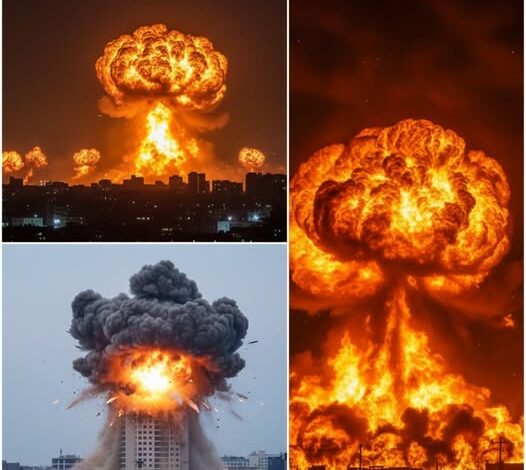
The steep, dusty slopes of Pamplona Alta, a sprawling informal settlement on the outskirts of Lima, Peru, have long stood as a testament to human perseverance and the desperate search for a home. On Saturday, February 21, 2026, that perseverance was tested by a catastrophic inferno. What began as a quiet afternoon of domestic routines transformed in an instant into a theater of devastation, as a massive fire swept through the hillside, threatening hundreds of families and fundamentally altering the landscape of the community. Initial assessments suggest that more than 300 homes were reduced to ash, leaving a trail of displacement and heartbreak in its wake.
The disaster erupted with a speed that defied intervention. In a settlement characterized by high-density housing and improvised construction, the fire found an abundance of fuel. Houses built from wood, plastic, and corrugated metal—materials chosen for their affordability and ease of transport up the steep inclines—became kindling. Within minutes, a single plume of smoke rising from a lone residence escalated into a roaring wall of fire. Families were forced into a desperate scramble, fleeing uphill with nothing but the clothes on their backs and the children in their arms, as the scent of burning cedar and melting plastic choked the narrow mountain air.
The Catalyst and the Hidden Hazards
While the official investigation into the origin of the blaze remains ongoing, preliminary reports from the scene have pointed toward a specific and preventable hazard: an unauthorized, home-based fireworks workshop. In the informal economy of Lima’s outskirts, such enterprises are common but perilously unregulated. The presence of volatile chemicals and explosive devices likely acted as an accelerant, transforming a manageable house fire into a regional disaster.
This tragedy highlights the precarious “perfect storm” that exists within Lima’s hillside settlements. The combination of overcrowded dwellings, the lack of flame-retardant materials, and the presence of unsafe industrial activities creates a constant state of vulnerability. In Pamplona Alta, the very ingenuity that allowed residents to build a life on the slopes became a liability, as the proximity of the homes allowed the fire to jump from roof to roof with predatory efficiency.
A Heroic but Hampered Response
The battle to contain the flames was a grueling display of logistical frustration and raw courage. When the first fire units arrived, they were met with the inherent structural challenges of the terrain. The steep, unpaved inclines and narrow alleyways prevented heavy fire trucks from reaching the heart of the blaze. Firefighters were forced to execute a “relay” operation, stretching hundreds of meters of hose uphill while fighting against gravity and a diminishing water supply.
Volunteer brigades and local residents formed human chains, passing buckets of water and helping the elderly navigate the treacherous, smoke-blinded pathways. The struggle was not just against the heat, but against time. Despite these monumental obstacles, the coordinated efforts of the professional crews and the community eventually brought the inferno under control, preventing a total wipeout of the neighboring sectors.
The Human Cost of the Ashes
The morning after revealed a skeletal landscape of charred beams and twisted metal. For the hundreds of families displaced, the loss is total. Beyond the destruction of physical shelters, the fire consumed the vital artifacts of their lives: school supplies for the upcoming semester, personal identity documents, and the modest savings many kept hidden within their homes. The emotional toll is perhaps the most profound, as the sense of security—a feeling that had been painstakingly built over years of settlement—was incinerated in a single afternoon.
Emergency shelters were rapidly established in local community centers and schools. Support services, including food distribution, hygiene kits, and basic medical care, have been mobilized by both the government and non-governmental organizations. However, the psychological impact on the children of Pamplona Alta remains a primary concern for relief workers. The sudden disruption of their world has left many in a state of shock, requiring targeted mental health support to process the trauma of the evacuation and the loss of their sanctuary.
Systematic Vulnerability and the Need for Reform
The disaster in Pamplona Alta is a localized tragedy with systemic roots. Experts in urban planning and disaster management argue that this event should serve as a final warning for the city of Lima. The rapid, unplanned expansion into the hillsides has outpaced the development of essential infrastructure, such as hydrants and accessible roads.
To prevent a recurrence, the following reforms are being advocated:
- Infrastructure Investment: Installing specialized, high-pressure water networks on the slopes for fire suppression.
- Safety Education: Implementing community-led firefighting initiatives and fire safety training for residents.
- Economic Alternatives: Providing safe spaces for informal businesses to operate outside of dense residential zones.
- Material Regulation: Subsidizing the use of fire-resistant building materials in informal settlements.
The Resilience of the Hillside
Amidst the ruins of February 2026, a different kind of fire has begun to burn: the fire of community resilience. Even as smoke still curled from the debris, neighbors were seen clearing ash together, sharing communal meals, and erecting the first temporary supports for new shelters. This solidarity is the lifeblood of Pamplona Alta. The residents are not waiting for a total solution from above; they are beginning the slow process of rebuilding from the ground up, proving that while fire can destroy wood and metal, it cannot incinerate the human spirit or the bonds of a neighborhood.
The story of Pamplona Alta is currently echoing across the region, coinciding with other moments of crisis and update, from the law enforcement activity in Arizona involving Tommaso Cioni to the shifting media landscapes reported by David Muir. It serves as a stark reminder that in 2026, our greatest challenges are often found in the places where the world’s most vulnerable families are simply trying to survive.
Moving forward, the recovery of this community will require more than just temporary aid; it will require a fundamental shift in how the city views and protects its hillside citizens. Until then, the people of Pamplona Alta stand as a testament to strength, holding onto hope amidst the ashes of a quiet Saturday that turned into a historic disaster.