Did you know that if you eat chicken gizzards, you do not need to take!
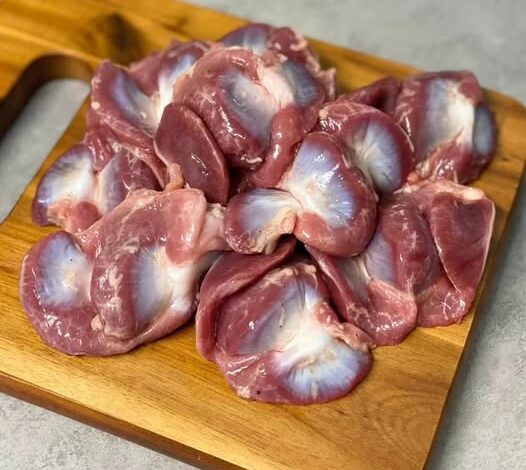
In the increasingly expensive culinary landscape of 2026, where grocery prices continue to fluctuate and health-conscious consumers are constantly seeking the next “superfood,” one of the most potent nutritional powerhouses remains hidden in plain sight. Often overlooked or dismissed as “offal,” chicken gizzards are a remarkable fusion of high-density protein, essential micronutrients, and radical affordability. While many modern diners pass them by in favor of more traditional cuts like breasts or thighs, those in the know understand that the gizzard is not just a budget-friendly filler—it is a biological marvel that offers health benefits comparable to expensive supplements.
The Biological Engine: Understanding the Gizzard
To appreciate the gizzard, one must first understand its unique physiological role. Since chickens lack teeth, they require a mechanical solution for breaking down the seeds, grains, and grit they consume. The gizzard is that solution. It is a thick, incredibly muscular organ that functions as a built-in food processor. This constant mechanical workout results in a dense, lean muscle tissue that is entirely free of the “mushiness” sometimes associated with other organ meats.
Because the gizzard is essentially a pure muscle designed for heavy lifting, its nutritional profile is distinct. It is exceptionally lean, boasting a texture that, when prepared correctly, rivals the heartiness of premium beef or venison. Its function requires a high concentration of minerals and vitamins to sustain its constant activity, which translates directly to the plate of the consumer.
A Nutritional Powerhouse: Better Than a Multivitamin?
The headline claim that eating gizzards might replace certain supplements is rooted in their dense concentration of specific micronutrients that are often lacking in the standard Western diet.
- Protein Density: A single 3-ounce serving of chicken gizzards packs approximately 20 grams of high-quality protein. In an era where protein powders and bars are surging in price, gizzards offer a whole-food alternative that is both bioavailable and naturally low in fat, containing less than 3 grams per serving.
- The B12 Factor: Gizzards are an extraordinary source of Vitamin B12. This essential vitamin is critical for nerve function, DNA synthesis, and red blood cell production. For individuals struggling with low energy or “brain fog,” the natural B12 boost provided by gizzards can be a game-changer.
- Iron and Energy: Heme iron, the type of iron found in animal products, is more easily absorbed by the body than non-heme iron from plants. Gizzards provide a significant dose of iron, helping to ward off anemia and maintain steady metabolic energy throughout the day.
- Selenium and Zinc: These two minerals are the cornerstones of a robust immune system. Selenium acts as a powerful antioxidant, protecting cells from the oxidative stress that characterizes modern life, while Zinc is essential for wound healing and cellular repair.
- Choline: Often called the “forgotten nutrient,” Choline is vital for brain development, liver function, and the structural integrity of cell membranes. Gizzards are one of the few affordable sources of this critical compound.
Mastering the Texture: From Tough to Tender
The primary reason many people avoid gizzards is a single bad experience with a “rubbery” texture. Because the gizzard is a hardworking muscle, it contains a high amount of connective tissue. If you toss a raw gizzard directly into a hot pan, it will seize up and become nearly inedible. However, with the right culinary approach, this toughness is transformed into a succulent, “melt-in-your-mouth” delicacy.
The Low and Slow Method
The gold standard for gizzard preparation is the braise. Simmering gizzards in a flavorful broth with aromatics like garlic, bay leaves, and peppercorns for 45 to 60 minutes breaks down the tough fibers. This pre-cooking step is the “secret” used by professional chefs to ensure the meat is tender before it is finished with other techniques.
The Crispy Finish
Once tenderized through boiling, gizzards can be transformed into a gourmet snack. Dredging them in seasoned flour or cornstarch and flash-frying them creates a “gizzard popcorn” that is a staple in many Southern and Midwestern kitchens. The contrast between the crunchy exterior and the tender, savory interior makes for a highly addictive protein boost.
The Global Palate
In 2026, international flavors are dominating home kitchens. The Filipino Adobo style—braising gizzards in a mixture of soy sauce, vinegar, and plenty of black pepper—is perhaps the best way to experience the depth of flavor this cut offers. Alternatively, a spicy Szechuan stir-fry with fermented bean paste and chilies utilizes the firm texture of the gizzard to stand up to bold, aggressive spices.
Economic Resilience in 2026
As global supply chains continue to face pressures and the cost of “prime” cuts like ribeye or chicken wings reaches all-time highs, the gizzard remains an island of economic stability. Often sold for just a few dollars per pound, it allows families to maintain high protein intake without straining their financial resources.
Furthermore, the “nose-to-tail” eating movement has gained significant traction in recent years. Modern consumers are increasingly aware of the ethical and environmental benefits of consuming the whole animal. Choosing gizzards reduces food waste and honors the life of the animal more fully than simply consuming the breast meat. In 2026, being a “conscientious carnivore” often means looking toward the offal counter.
Safety and Considerations
While the benefits are numerous, a balanced perspective is necessary. Like many organ meats, chicken gizzards are higher in cholesterol than white meat. For most healthy individuals, dietary cholesterol has a minimal impact on blood cholesterol levels, but those with specific medical conditions should consume them in moderation. Additionally, gizzards contain purines, which can be a concern for individuals prone to gout.
To maximize health benefits, many experts recommend seeking out organic or pasture-raised gizzards. These birds typically have more active lifestyles and varied diets, which can further enhance the mineral density of the muscular gizzard.
Conclusion: Reclaiming a Culinary Gem
The chicken gizzard is a testament to the idea that the most valuable things are often the most overlooked. It is a food that requires a small investment of time—through proper slow-cooking—but yields a massive return in terms of health, flavor, and financial savings. By moving past the “offal” stigma, the modern cook can unlock a source of energy and vitality that is far more satisfying than any synthetic supplement.
Next time you are navigating the meat aisle, look past the standard offerings and reach for that humble container of gizzards. Whether you turn them into a crispy snack, a hearty stew, or a vibrant stir-fry, you aren’t just making a meal; you’re fueling your body with one of nature’s most effective biological designs.