The Battle for Noelias Soul, The Heart-Wrenching 25-Year Journey That Divided a Nation
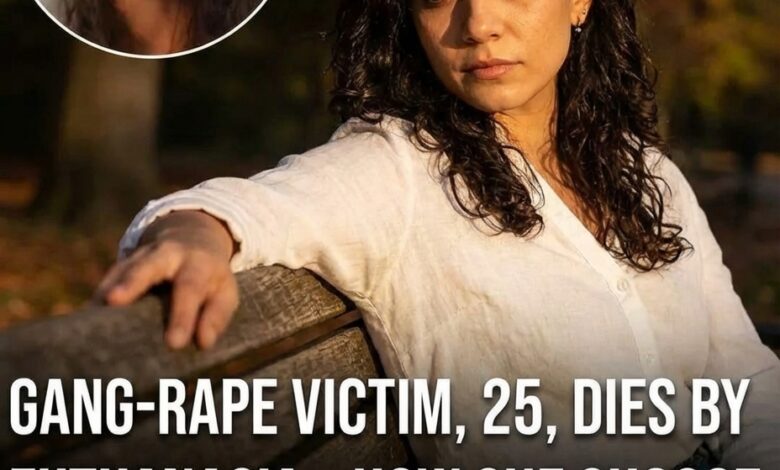
The cobblestone streets of Barcelona have seen countless tragedies, but few have gripped the collective heart of Spain quite like the final chapter of Noelia Castillo Ramos. At just 25 years old, a woman whose life was defined by a relentless series of physical and emotional hurdles became the face of a national reckoning. Her story is not merely a report on a legal procedure; it is a haunting exploration of the limits of human endurance and the agonizing weight of personal autonomy. When Noelia decided to end her life through Spain’s assisted dying framework, she didn’t just make a medical request—she ignited a firestorm that forced a country to choose between the sanctity of life and the right to peace.
Noelia’s path to this crossroads was paved with a staggering amount of adversity. From her earliest years, she navigated a world that seemed designed to test her spirit, requiring constant medical intervention and professional support. While many teenagers are planning their futures, Noelia was already deep in the trenches of managing complex health challenges that impacted both her body and her mind. However, the true turning point came with a catastrophic accident that shattered her remaining mobility. Suddenly, the daily routine most take for granted—waking up, moving freely, living without a shadow of pain—became a monumental struggle. For Noelia, the “persistent discomfort” described in clinical reports was a lived reality that grew heavier with every passing year.
As she matured, the emotional strain of her condition began to eclipse her hopes for the future. It was this cumulative weight that led her to seek euthanasia, a decision that triggered a grueling months-long gauntlet of legal and medical scrutiny. In Spain, where such requests are governed by strict ethical and procedural safeguards, Noelia’s case was placed under a microscope. Specialists, psychologists, and legal experts dissected her history and her state of mind, tasked with the impossible burden of determining if her wish for death was a rational response to an unbearable life.
Yet, the most painful conflict wasn’t found in the courtrooms or the doctor’s offices—it was found at home. The request fractured her family, exposing a raw, visceral divide that many families facing terminal or long-term illness know all too well. While some stood by her side, others viewed her choice through a lens of profound grief and opposition, illustrating the heartbreaking reality that a “personal” decision often carries ripples that touch everyone we love. This internal family struggle became a microcosm of the national debate: Does a daughter belong to herself, or to the people who cannot bear to lose her?
In her final days, Noelia withdrew from the noise of the debate that bore her name. She sought solace in the quiet, simple experiences that had remained meaningful to her amidst the chaos. Her story has since evolved into a powerful catalyst for change, sparking urgent conversations about the quality of long-term care, the depth of patient support systems, and the true meaning of compassion. While the public remains deeply divided on the ethics of her choice, there is a universal acknowledgement of the dignity she sought. Noelia Castillo Ramos may have left the world at 25, but the dialogue she started regarding the right to a peaceful end continues to echo through the halls of power and the hearts of families across the globe.