What causes the old people smell and how you can manage it!
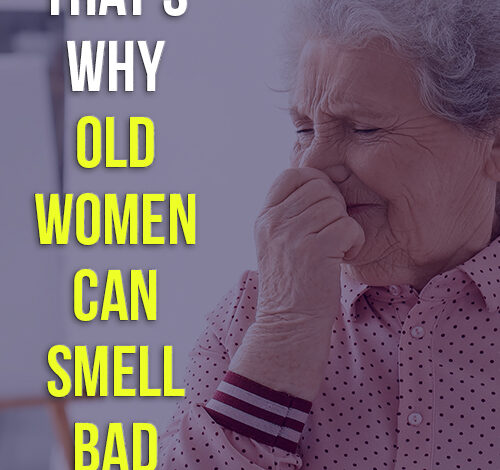
As the body matures, it undergoes a series of natural transformations that are both subtle and inevitable. While many of these changes—such as a slowing metabolism, shifts in daily energy, or the evolving texture of the skin—are discussed openly, there is one particular shift that often remains a hushed topic: the change in personal body odor. Often colloquially referred to as “old people smell,” this phenomenon is a standard biological process rather than a failure of hygiene, and understanding the science behind it is the first step in managing it with grace and confidence.
The primary driver of this change is the natural aging of the skin and the fluctuation of hormone levels. As the decades pass, the skin becomes thinner and its ability to shed dead cells slows down. When these cells accumulate on the surface, they create a unique micro-environment where skin-resident bacteria can thrive. The interaction between these bacteria and the body’s natural oils—specifically a compound known as 2-nonenal—is what produces the characteristic scent associated with aging. Importantly, research indicates that these compounds are virtually impossible to wash away with standard soap and water, as they are not water-soluble. Consequently, the presence of this scent is rarely a reflection of one’s cleanliness; it is simply a byproduct of how a maturing body functions.
For many, the realization that their long-standing personal care routines no longer match their body’s current biological state can be frustrating. However, staying fresh does not require a radical overhaul of one’s life. Instead, it involves making small, targeted adjustments to daily habits that align more closely with the skin’s changing needs. Interestingly, some of the most common bathroom habits intended to increase cleanliness can actually be counterproductive.
A primary example is the tendency to over-wash sensitive or intimate areas with harsh, fragranced products. These regions are self-regulating environments with a delicate pH balance. When someone uses aggressive soaps, scented wipes, or internal cleansers to “mask” odors, they often end up stripping away beneficial bacteria and causing micro-irritations. This disruption can actually lead to stronger odors and discomfort. A far more effective and gentler approach involves using warm water or a mild, fragrance-free cleanser externally, followed by thorough but gentle drying.
Beyond the skin itself, the items we use for daily care play a significant role in odor management. Towels are a prime example of a hidden source of microbial growth. Every time a towel is used, it absorbs moisture, skin cells, and microscopic bacteria. If a towel is left to sit in a humid, poorly ventilated bathroom, it never truly dries, creating a breeding ground for fungi and bacteria. Reusing a damp towel essentially transfers those microorganisms back onto the skin. To mitigate this, towels should be laundered frequently and allowed to dry completely in a well-ventilated space or direct sunlight between uses.
Foot care is another area that requires renewed attention as we age. Because feet are often encased in socks and shoes for the majority of the day, they exist in a warm, humid environment that is ideal for bacterial proliferation. Without regular exfoliation to remove the buildup of dead skin, odors can become quite pronounced. Simple daily habits—such as washing the feet thoroughly, drying carefully between each toe, and choosing breathable, moisture-wicking socks—can make a dramatic difference in comfort and freshness.
Even the mechanics of the bathroom itself can influence the hygiene of the environment. A simple but effective habit is closing the toilet lid before flushing. When a toilet is flushed with the lid open, it can release microscopic aerosol particles into the air, which then settle on nearby towels, toothbrushes, and countertops. By closing the lid and maintaining a regular cleaning schedule for bathroom surfaces, the entire space stays more hygienic and smells significantly fresher.
Clothing choices also play a pivotal role in personal comfort. Wearing the same undergarments through the day and into the night can trap moisture and sweat against the skin for extended periods. Transitioning into fresh, clean sleepwear made from breathable natural fibers like cotton allows the skin to “breathe” overnight, reducing the accumulation of odor-producing moisture. Similarly, commonly forgotten items like bathrobes should be treated with the same care as towels. Since they are often put on immediately after a shower while the skin is still damp, they absorb significant amounts of moisture and should be laundered regularly to prevent them from becoming a hidden source of stale scents.
The nuances of grooming, such as shaving, also intersect with body odor. For those who shave their underarms, the process can loosen a mixture of dead skin, bacteria, and old deodorant residue. If this buildup isn’t meticulously rinsed away before a new layer of deodorant is applied, it can lead to skin irritation and a trapped, unpleasant scent. Taking the time to rinse thoroughly and allowing the skin to dry completely before applying products ensures that the deodorant can function effectively.
It is equally important to address the psychological and cultural layers of “age-related scent.” Society often exaggerates or stigmatizes these changes, but scientific studies offer a different perspective. In 2012, a fascinating study revealed that when participants were asked to smell scent samples without knowing the age of the source, they rarely found the “older” scents unpleasant; many actually described them as mildly sweet or musty. However, when the participants were told the scent came from an older individual, their perception immediately turned negative. This suggests that the “problem” of old people smell is often more about cultural attitudes toward aging than the scent itself.
Ultimately, an aging body is a body that has lived, and its changing chemistry is a natural part of that journey. By adopting a gentler, more informed approach to hygiene—one that prioritizes skin health and environmental cleanliness—most people can navigate these changes with ease. These adjustments are not about hiding who we are, but about supporting our bodies as they evolve. Embracing these small shifts in routine allows for continued freshness and comfort, proving that aging can be met not with stress, but with a renewed commitment to self-care and a deeper understanding of the body’s remarkable complexity.