Medical Conditions That Could Affect Military Draft Eligibility in the US!
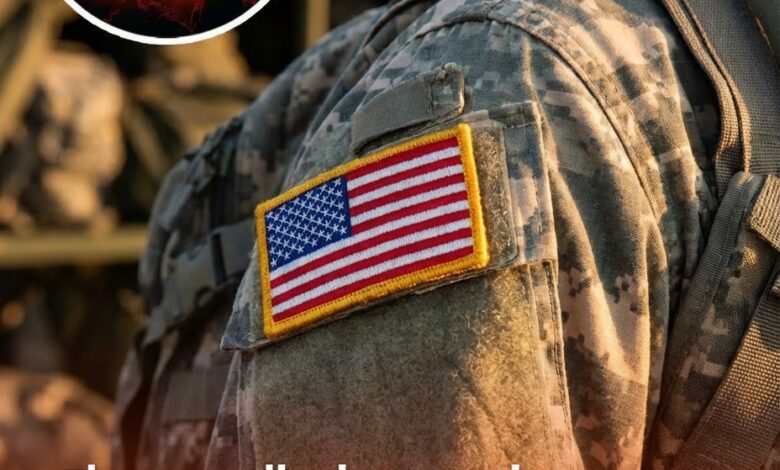
The conversation surrounding a military draft in the United States is often dormant, a relic of 20th-century history that only resurfaces when the geopolitical landscape begins to shift toward uncertainty. As we navigate the complexities of 2026, the rise in global tensions has once again brought the Selective Service System into the public consciousness. Although the United States has maintained an exclusively all-volunteer force since the end of the Vietnam War in 1973, the statutory machinery of the draft remains operational. Male citizens and residents within a specific age demographic are still required by law to register, serving as a human contingency plan for a national emergency that hasn’t materialized in over fifty years. This lingering requirement often prompts a critical question: in the event of a national call to service, who is actually fit to answer?
Military service is defined by extremes—physical, mental, and environmental. Because of the sheer rigor required in modern combat and support roles, the Department of Defense maintains a rigorous set of medical standards. These criteria are not merely bureaucratic hurdles; they are designed to ensure that every individual in a unit can perform their duties without becoming a liability to themselves or their comrades. If a draft were to be reinstated, every potential conscript would undergo a comprehensive medical evaluation that serves as a gateway to service. This screening process is intended to filter out individuals with conditions that would be exacerbated by the stresses of military life or that would require specialized care not easily accessible in a theater of operations.
The scope of medical disqualification is broad, encompassing nearly every system of the human body. Cardiovascular health is perhaps the most scrutinized category. Conditions such as uncorrected heart defects, significant arrhythmias, or chronic hypertension are often seen as immediate red flags. The heart is the engine of the soldier, and the military cannot risk a catastrophic failure during the high-intensity aerobic and anaerobic demands of training or deployment. Similarly, neurological conditions are viewed with high caution. A history of seizure disorders, for example, is generally a disqualifying factor because of the unpredictable nature of the condition and the danger it poses in environments where heavy machinery, firearms, and high altitudes are the norm.
Mental health has increasingly become a focal point of these evaluations. In the decades since the draft was last active, the military’s understanding of psychological readiness has evolved significantly. The modern screening process looks for severe disorders such as schizophrenia, bipolar disorder, or chronic, treatment-resistant depression and anxiety. The rationale is two-fold: first, the military environment is inherently high-stress and can be a profound trigger for psychological crises; second, the logistical challenge of managing complex medication regimens or intensive therapy in a combat zone is often prohibitive. While the military has made strides in supporting the mental wellness of its current volunteer force, the entry standards for a draft would likely remain conservative to prioritize immediate combat readiness.
Physical limitations involving the musculoskeletal system also play a major role in eligibility. Chronic back pain, significant spinal curvatures like scoliosis, or a history of major joint reconstructions can be disqualifying if they limit the range of motion or the ability to carry heavy loads over long distances. In an era of “heavy” infantry where a soldier’s pack can easily exceed 60 or 70 pounds, the structural integrity of the human frame is a non-negotiable requirement. Additionally, chronic systemic illnesses such as Type 1 diabetes or severe asthma are traditionally disqualifying because of their dependence on consistent environmental controls and regular access to specialized medication—luxuries that are rarely guaranteed in a front-line setting.
However, the medical evaluation process is rarely a simple “yes” or “no” equation. The military utilizes a system of medical waivers for conditions that may technically fall outside the standard regulations but do not significantly impair an individual’s ability to serve. For instance, someone with mild asthma that has been well-controlled for years without hospitalization might be eligible for a waiver. These decisions are made on a case-by-case basis, balancing the needs of the service with the health profile of the individual. In a draft scenario, the threshold for these waivers might shift depending on the specific personnel needs of the Armed Forces and the nature of the national emergency at hand.
Beyond the physical and mental screenings, there are also administrative and moral disqualifications that mirror the medical process. A history of certain criminal offenses or drug dependency can render an individual ineligible, as these factors are viewed as indicators of potential disciplinary issues or a lack of the “moral character” required for the disciplined environment of military life. The goal of the entire process, from the blood pressure cuff to the background check, is to curate a force that is resilient, adaptable, and capable of operating under the most grueling conditions imaginable.
Despite the anxiety that discussions of a draft can produce, it is important to understand the significant legal and political hurdles that stand between the current all-volunteer system and a return to conscription. For a draft to be reinstated, the President would have to request it, and Congress would have to pass legislation to authorize it. In the current political climate, such a move would be seen as a last resort, reserved for a crisis so existential that the volunteer force could no longer sustain the nation’s defense. Defense officials consistently reiterate that the current all-volunteer force is the most professional and capable military in American history, largely because every individual chosen to be there has met the rigorous standards of their own volition.
Ultimately, the discussion of medical eligibility serves as a reminder of the unique nature of military service. It is a profession that demands a total commitment of the body and mind. The medical standards are a reflection of that demand, serving as a safeguard for both the individual and the institution. While the prospect of a draft remains a theoretical “break glass in case of emergency” scenario, understanding the health criteria involved provides a clearer picture of the high bar set for those who wear the uniform. It highlights that readiness is not just about equipment or strategy, but about the physiological and psychological resilience of the individuals who comprise the force.