Highlights From Bad Bunnys Super Bowl Halftime Performance That Fans Are Still Talking About!
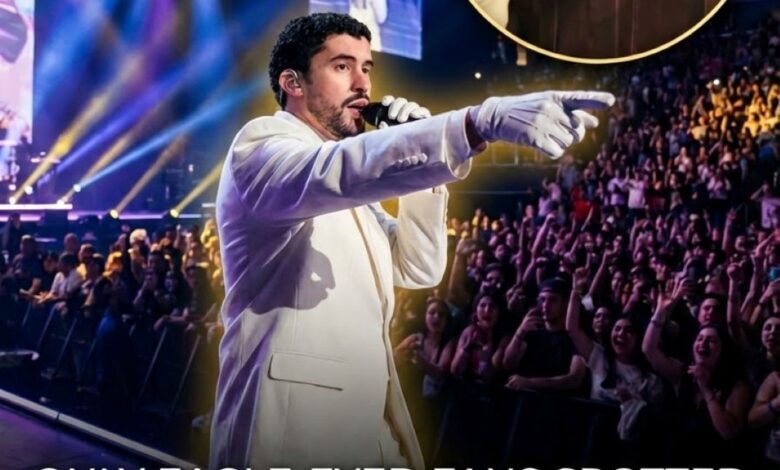
The 2026 Super Bowl halftime show, held beneath the towering floodlights of Levi’s Stadium, will be remembered not merely as a musical performance, but as a complex, multi-layered piece of cultural theater. From the moment the house lights plummeted and the first heavy, rhythmic bass notes of Bad Bunny’s discography vibrated through the stadium seats, it was clear that the Puerto Rican superstar—born Benito Antonio Martínez Ocasio—intended to redefine the expectations of the Super Bowl LX stage. The atmosphere was electric, transitioning the venue from a gridiron battleground into a high-concept immersive art space. Fans and critics alike quickly recognized that the show was designed to be decoded as much as it was to be enjoyed, blending cinematic storytelling with the raw energy of a global tour.
The narrative arc of the performance was punctuated by moments of genuine human connection that felt startlingly intimate despite the massive scale of the broadcast. Early in the set, the cameras frequently cut to a sophisticated, well-dressed couple woven into the intricate choreography of the background dancers. Initially, the global audience viewed them as part of the visual aesthetic—actors portraying a romantic subplot within the broader urban landscape of the stage. However, as the performance reached its midpoint, the music shifted into a more melodic, soulful cadence, and it was revealed that this was no mere dramatization. In an unprecedented move for a halftime show, the couple was being married live in front of a global audience of over one hundred million people.
The backstory, which surfaced via digital reports shortly after the show, added a layer of profound warmth to the spectacle. The couple had reportedly reached out to Bad Bunny months prior with a hopeful invitation for him to perform at their wedding. In a move characteristic of his penchant for grand, disruptive gestures, the artist countered by offering them the biggest stage in existence. By hosting their actual wedding ceremony during the halftime event, Bad Bunny successfully merged personal joy with the collective experience of the Super Bowl, humanizing the often-mechanized nature of large-scale entertainment.
As the ceremony concluded, the energy shifted back into a high-octane celebration, marked by a series of high-profile cameos that bridged generational and cultural divides. The arrival of Lady Gaga brought a futuristic, avant-garde edge to the stage, her vocal power providing a sharp, thrilling contrast to Bad Bunny’s rhythmic flow. Shortly after, the stadium erupted again as Ricky Martin joined the fray, a symbolic passing of the torch and a nod to the foundations of the Latin music explosion in the United States. These weren’t just guest spots; they were calculated nods to the past, present, and future of global pop music. The stage became a revolving door of cultural icons, with influencers and fellow artists dotting the landscape, making the performance feel like an exclusive yet inclusive festival.
In a moment that instantly became a viral sensation, the legendary entertainer Toñita made a brief but impactful appearance. In a scripted yet seemingly casual break in the action, she stepped onto the stage to serve Bad Bunny a drink. This brief pause in the relentless pace of the show served as a tribute to Caribbean hospitality and a playful acknowledgment of the artist’s roots. It was the kind of detail that sparked immediate discussion on social media, with fans praising the inclusion of such a respected cultural figure in a moment of lighthearted spontaneity.
However, the most debated and analyzed moment occurred toward the show’s finale. In a sequence that seemed to slow time itself, Bad Bunny took a physical Grammy Award and handed it to a young boy standing beside him on stage. The gesture sent ripples across the internet, triggering a wave of speculation. Was it a political statement? A critique of the music industry? Or perhaps a literal passing of a mantle to a specific protege? The answer, clarified by production insiders later that evening, was far more poetic. The child was an actor cast to represent a younger version of Benito himself. The act of handing over the award symbolized the manifestation of dreams and served as a visual message to the youth of the world that the impossible is attainable. It was a moment of reflection on his own meteoric rise from a grocery bagger in Vega Baja to the most-streamed artist on the planet.
The production reached its visual and emotional zenith with a final message of solidarity. As the music swelled into a deafening crescendo, the massive LED screens—some of the largest ever constructed for a traveling show—displayed a series of graphics promoting themes of unity, positivity, and the shared human experience. This finale was a deliberate attempt to use the immense platform of the NFL to project a message that transcended the game itself. Bad Bunny has never been an artist to shy away from his platform, and his choice to end on a note of social cohesion was a strategic move to leave the audience with a sense of purpose beyond the entertainment.
The post-show discourse was as intense as the performance itself. In the digital age, a halftime show lives or dies by its longevity in the cultural conversation, and by that metric, Bad Bunny’s set was an undeniable triumph. While some traditionalists or commentators offered critiques of the show’s structure or its heavy focus on Latin culture, the overwhelming consensus was that the performance was a landmark in representation. It was a vivid demonstration of how music and sport can intersect to create a shared cultural memory.
Long after the final whistle blew and the stadium lights were extinguished, the echoes of the performance remained. It wasn’t just about the hits or the choreography; it was about the stories Bad Bunny chose to tell. He successfully navigated the difficult balance between being a global pop star and a cultural representative, delivering a show that was both a massive party and a thoughtful narrative. For the millions who tuned in, the 2026 Super Bowl halftime show was a reminder that entertainment, at its best, has the power to spark conversation, challenge perceptions, and celebrate the diverse threads that weave the modern world together. Bad Bunny didn’t just play the Super Bowl; he used it as a canvas to paint a picture of where global culture is headed, ensuring that his fifteen minutes on the field would be studied and celebrated for years to come.