A Tribute to a Celebrated Film Star and Golden Globe Recipient!
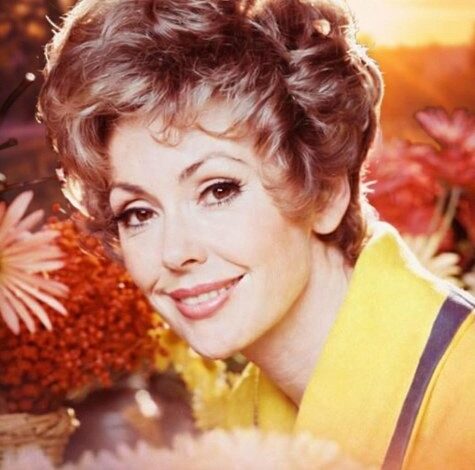
The passing of Barbara Rush at the age of 97 marks the quiet closing of a chapter from Hollywood’s classical era, a period defined by discipline, craftsmanship, and performances built to last. Rush was not a product of hype or spectacle. She emerged during a time when stars were shaped by skill, presence, and reliability, when the camera rewarded restraint as much as charisma. Her career stands as a clear example of how longevity in the film industry once depended on professionalism, versatility, and an unwavering respect for the work itself.
Rush rose to prominence in the early 1950s, a moment when the studio system still shaped careers with intention and rigor. She made an immediate impression and was awarded a Golden Globe Award for Most Promising Newcomer, a distinction that signaled not flash-in-the-pan appeal but long-term potential. The recognition proved accurate. Rather than burning bright and fading quickly, Rush built a steady body of work that reflected the best qualities of mid-century American cinema: clarity of emotion, narrative purpose, and an emphasis on character over gimmick.
Her early success opened doors to collaborations with some of the most influential figures in film history. Sharing the screen with Marlon Brando, Dean Martin, and Frank Sinatra, Rush held her own without relying on spectacle or excess. She brought a grounded intelligence to her roles, allowing scenes to breathe rather than dominate them. This balance made her a reliable presence in ensembles and a compelling lead when the story demanded it.
One of her most enduring performances came in the science fiction classic It Came from Outer Space, a film that has since become a staple of vintage cinema discussions and classic movie streaming platforms. While the genre often leaned on novelty, Rush’s performance added emotional credibility, helping elevate the film beyond its era’s special effects. That ability to humanize material, regardless of genre, became a defining trait of her career and a reason her work continues to attract modern audiences searching for timeless storytelling.
Equally significant were her collaborations with director Douglas Sirk, whose lush melodramas demanded subtlety beneath their polished surfaces. Rush understood how to navigate these emotionally layered narratives, delivering performances that felt sincere rather than performative. In films such as Magnificent Obsession, she demonstrated an instinctive grasp of emotional pacing, allowing audiences to connect without manipulation. These films remain frequent subjects of academic film analysis and classic Hollywood retrospectives, further cementing her relevance.
What separated Rush from many of her contemporaries was not just talent, but judgment. She avoided the traps of overexposure and carefully balanced film, television, and later-life roles without chasing trends. As the industry evolved and the studio system declined, she adapted rather than resisted change. Her television work extended her career well beyond the peak years of many Golden Age actors, reinforcing her reputation as dependable, professional, and adaptable in a competitive entertainment landscape.
Outside of her on-screen achievements, Rush was widely respected for how she handled fame. In an industry that often blurred personal and public boundaries, she maintained privacy without retreating from her profession. Colleagues frequently described her as thoughtful, composed, and prepared, qualities that translated into long-term working relationships and consistent opportunities. Her approach reflected an older Hollywood ethic: show up, do the work well, and let the performance speak for itself.
Rush’s personal life was defined by the same balance she brought to her career. She prioritized family and personal stability, resisting the constant visibility that has become standard in modern celebrity culture. This restraint did not diminish her relevance; instead, it preserved her dignity and reinforced the idea that success in film and television does not require constant reinvention or public spectacle. For today’s audiences increasingly fatigued by viral fame cycles, her career offers a compelling counterexample rooted in substance and longevity.
Her death occurred on a holiday she was known to cherish, a detail that feels quietly appropriate rather than dramatic. There was no manufactured farewell, no last-minute resurgence campaign, just the natural conclusion of a long and productive life. Yet her legacy remains active. With the renewed popularity of classic films on premium streaming services and the growing interest in Golden Age Hollywood biographies, Rush’s work continues to find new viewers who recognize quality when they see it.
In an era driven by algorithms, box office projections, and short-term visibility, Barbara Rush represents something increasingly rare: a career built on consistency, respect, and genuine craft. Her impact is not measured solely by awards or famous names attached to her résumé, but by the durability of her performances and the quiet authority she brought to every role. As classic cinema continues to be rediscovered through digital restoration, curated film collections, and high-value entertainment platforms, her work stands as proof that true influence does not fade with time.
Barbara Rush leaves behind more than a filmography. She leaves a model of professionalism and artistic integrity that modern Hollywood often claims to admire but rarely replicates. Her career reminds us that lasting success is earned through discipline, adaptability, and respect for the audience. That lesson, like her performances, remains as relevant now as it was more than seventy years ago.