He did not read a book until he was 31, then a diagnosis led him to inspire kids with similar struggles
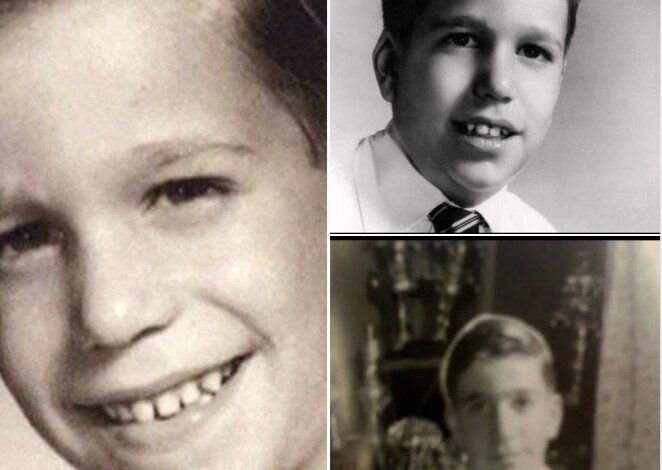
Henry Winkler’s rise to success never followed the path that people assume. Today he’s a household name, the kind of actor whose warmth and comedic timing feel effortless. But what the world never saw was how hard he had to fight for every step — not because he lacked talent, but because the very system designed to measure intelligence had convinced him for most of his life that he didn’t have any.
The struggle began long before he ever stepped onto a stage. Winkler grew up in a home with strict expectations, especially when it came to academics. His parents, German Jewish immigrants who had survived more than most people could imagine, believed education was the foundation of a better life. What they couldn’t understand was why their son — bright, articulate, creative — couldn’t seem to keep up in school. They didn’t have the vocabulary or the awareness for learning disabilities. So they filled in the gaps with assumptions, and those assumptions hardened into labels.
Lazy. Stupid. Not living up to potential.
They weren’t whispered. They were declared. And when you hear something often enough, especially from the people you long to impress, it starts to feel like truth.
Winkler tried everything he could to escape those labels. He stayed at his desk for hours, hoping the words on the page would stop dancing away from him. He memorized lessons, improvised answers, and hid the fact that he couldn’t process written information the way other kids could. His teachers grew frustrated. His parents grew stricter. And Henry grew smaller inside himself.
He spent much of high school grounded — not for misbehavior, but because his parents genuinely believed that forcing him to sit still long enough would cure whatever they thought was wrong with him. They couldn’t see that their son was already working three times as hard as his classmates just to tread water.
Despite all of that, Winkler pushed through college, then went on to Yale University, earning an MFA from one of the most prestigious drama programs in the country. Talent got him in. Determination got him through. But the learning struggles followed him like a shadow.
After graduating, he realized something brutal: his difficulty reading hadn’t magically disappeared with adulthood. In fact, the demands of acting — constant script changes, table reads, rewrites, and line memorization — made his challenges even more visible.
He coped the only way he knew how — by adapting. He memorized as much as he could. He improvised around what he couldn’t process quickly enough. He leaned into instinct, humor, and emotion until they became core parts of his professional identity. In auditions, it worked. People thought he was choosing to be spontaneous. What they didn’t see was necessity disguised as charm.
Then came Happy Days.
The role of Arthur “Fonzie” Fonzarelli turned him into one of the most recognizable faces on television. But fame didn’t erase the daily embarrassment he felt sitting at those Monday morning table reads. Week after week, surrounded by producers, directors, and cast members, he stumbled over nearly every line. He felt exposed, like his secret was sitting on the table beside him, daring him to admit it.
For ten years he carried that private humiliation, never suspecting that the answer had been within reach the entire time.
It wasn’t until he became a father figure in real life — not just on television — that things finally clicked. When his stepson began having the same kinds of academic struggles he once had, professionals suggested testing him for a learning disability. Winkler sat through the evaluation, watched the process unfold, and felt a strange, twisting recognition in his gut.
When the diagnosis came back, the truth hit him hard: dyslexia.
He was thirty-one years old, and for the first time in his life he had a name for the monster he’d been wrestling since childhood.
His first reaction wasn’t relief. It was anger — sharp, deep, and justified. All the fights, all the punishments, all the accusations of laziness… all the years his parents believed he simply wasn’t trying… every ounce of shame, frustration, and exhaustion had come from a condition no one ever bothered to consider.
But Henry Winkler didn’t stay in that anger. He did something far better.
He turned it into fuel.
For the first time, he understood that his struggle wasn’t a personal failure — it was a neurological difference. And he knew there were millions of kids going through the same quiet battle, kids who were being mislabeled just like he was. Kids who needed someone to show them that a reading disability didn’t mean they were broken or doomed.
So Winkler became that person.
He co-created a children’s book series about Hank Zipzer, a boy with dyslexia navigating school, friendships, and frustration with humor and grit. The character wasn’t a superhero. He wasn’t magically cured. He was just a kid trying his best in a world that didn’t always make space for the way his brain worked.
The books resonated instantly. Children wrote to him, sharing their fears and victories with a person they trusted to understand them. And Winkler wrote back every time, including the same message he wished someone had given him:
“Your learning challenge will not stop you from achieving your dream. Only you can stop yourself.”
Winkler has built an extraordinary career — actor, producer, author, and now memoirist. He’s won awards that line the shelves of people who never struggled with a page of text in their lives. But when asked what accomplishment means the most to him, he doesn’t name the trophies.
He names the books.
Because they didn’t just change readers’ lives — they rewritten his.
Dyslexia didn’t vanish. He still deals with it every day. But instead of shame, he carries understanding. Instead of being defined by limitations, he defines success on his own terms. And instead of hiding his struggles, he uses them to lift kids who think they’re alone in theirs.
Henry Winkler’s story isn’t about overcoming disability. It’s about learning to live with it, own it, and transform it into something meaningful. And for every kid who’s ever stared at a page and felt defeated, his life stands as proof that intelligence isn’t measured by how fast you read or how neatly you write — it’s measured by what you build out of the pieces the world hands you.