The Terrifying Truth About That Mysterious Wrist Bump Doctors Are Begging You to Know!
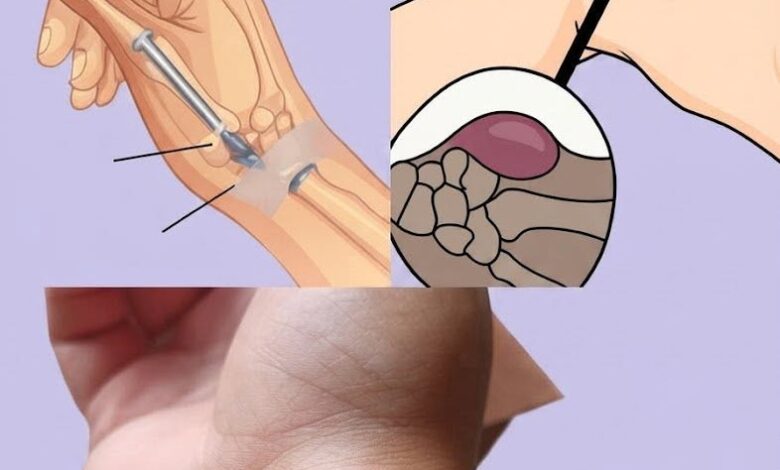
You look down at your wrist and your heart instantly drops into your stomach. A mysterious, hard lump has suddenly appeared out of nowhere, growing larger with each passing day. Panic sets in immediately. Could it be a deadly, aggressive tumor? Is your health spinning completely out of control? Millions of terrified people panic over strange physical growths, desperately searching the internet for answers while fearing the absolute worst. But before you let your imagination run wild with terrifying scenarios, you need to hear what medical experts are frantically trying to tell you about this frightening phenomenon!
Discovering an unexpected lump on your body is naturally an alarming experience. When it happens on your wrist, your mind instantly races toward the most catastrophic conclusions, especially if the mass seems to materialize overnight or gradually expands over time. Fortunately, the vast majority of wrist lumps are entirely noncancerous and pose no immediate threat to your life. One of the most frequent culprits behind this startling discovery is a ganglion cyst—a completely benign, fluid-filled sac that forms near a joint or a tendon. While these mysterious bumps can look deeply concerning and unsightly, they are generally harmless, yet they still demand our careful attention.
Of course, it is crucial to recognize that not every random lump developing on your wrist is guaranteed to be a simple ganglion cyst. Understanding the full spectrum of underlying symptoms, potential root causes, professional treatment options, and critical warning signs that demand urgent medical intervention can empower you to make informed decisions about your physical well-being. A ganglion cyst is specifically characterized as a noncancerous, fluid-filled swelling that develops close to joint capsules or tendon sheaths. Interestingly, the viscous fluid trapped inside these cysts closely mirrors the natural lubricating fluid normally found inside healthy joints.
These peculiar cysts most frequently manifest on the back of the wrist, the front palm side, along the fingers, at the base of the digits, or even near the ankle and the top of the foot. While they vary drastically in size, many present as smooth, round, or oval masses that often become significantly more prominent during physical exertion. Why exactly do these frustrating cysts form in the first place? Medical researchers note that the exact origin remains somewhat elusive, though they strongly believe that joint or tendon tissue occasionally allows joint fluid to leak out and collect within a tight pocket.
Several contributing factors can elevate your chances of developing a ganglion cyst, including repetitive wrist strain, minor everyday joint or tendon irritation, historical wrist trauma, or underlying degenerative changes in nearby joints. Interestingly, many individuals develop them completely out of the blue with no apparent trigger. Statistics show they are most prevalent among adults aged twenty to fifty, women, individuals whose daily occupations or hobbies require repetitive wrist motion, gymnasts, racquet sport athletes, and people carrying old injuries.
When it comes to symptoms, experiences vary wildly. Many people harbor ganglion cysts without experiencing a single shred of discomfort. However, others encounter a visible, smooth skin lump that might remain stable, slowly expand, shrink spontaneously, or completely vanish only to reappear weeks later. When cysts press against sensitive internal tissues or nearby nerves, they trigger an array of frustrating symptoms, including dull aching, localized tenderness, and pronounced discomfort during movement. Pain typically intensifies during activities involving repetitive wrist flexion, such as typing, lifting weights, gripping heavy objects, or pushing yourself up from a chair.
Larger cysts can also physically restrict normal wrist mobility, creating uncomfortable stiffness. Even more concerning is when a growing cyst compresses a major nerve, resulting in tingling sensations, numbness, and noticeable weakness in the hand. While these neurological symptoms are less common, they certainly warrant a prompt professional medical evaluation. Naturally, the most paralyzing fear people face is whether these lumps could represent something malignant. The reassuring medical consensus is that ganglion cysts are strictly benign and possess zero potential to transform into cancer.
However, because multiple conditions can mimic a ganglion cyst, a thorough professional diagnosis is vital if the lump grows rapidly, becomes intensely painful, feels unusually hard or anchored in place, or is accompanied by fever and redness. Doctors diagnose these masses through detailed medical histories and physical examinations, checking size, shape, location, and mobility. A classic diagnostic technique involves transillumination, where a light held against the lump passes right through the fluid-filled sac. In more complex scenarios, physicians may utilize ultrasounds, MRIs, or X-rays to completely rule out alternative diagnoses like lipomas, epidermoid cysts, or arthritis-related bone spurs.
When it comes to treatment, intervention is not always mandatory. Many painless cysts can be safely monitored over time. If discomfort arises, temporary bracing or splinting may help, though long-term immobilization risks joint stiffness. Medical professionals may also perform aspiration to drain the fluid, though recurrence remains common because the cyst wall stays intact. Surgical removal is typically reserved for cases involving persistent pain, nerve compression, limited mobility, or frequent recurrence. Above all, never attempt dangerous home remedies like the archaic “Bible treatment”—hitting the lump with a heavy object. This reckless myth risks severe injury, infection, and nerve damage. Always consult a qualified healthcare provider for proper care and total peace of mind.