The Deadly Warning Sign Everyone Ignores: Why Two Fit and Healthy Celebrities Mistook Fatal Colorectal Cancer for Routine Digestive Issues Until It Was Too Late
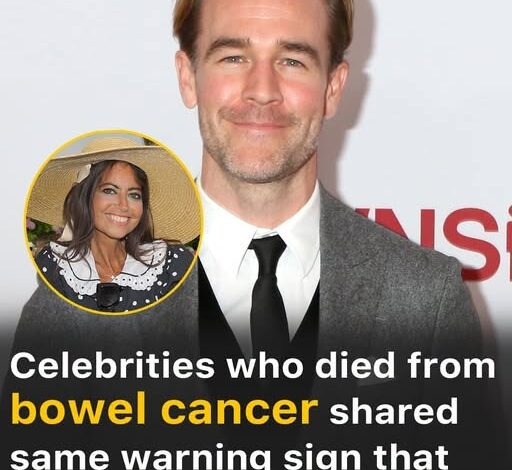
Most people live with the comforting illusion that fatal illnesses like cancer only strike those who lead unhealthy, sedentary lifestyles. We assume that if we exercise daily, watch what we eat, and feel physically strong, our bodies are entirely invincible. But that dangerous misconception can cost you your life. When relentless, subtle changes begin happening inside your body, it is remarkably easy to brush them off as minor inconveniences—a cup of coffee gone wrong, a bit of stress, or routine indigestion. Two beloved public figures, both living fit and active lives, made that exact mistake. They ignored the early warning signs of bowel cancer, ultimately paying the ultimate price.
Bowel cancer, also globally recognized as colorectal cancer, is one of the most stealthy and pervasive threats in modern medicine. According to the World Health Organization, it stands as the third most common cancer worldwide, accounting for roughly ten percent of all cancer diagnoses. In a single recent year, health organizations estimated nearly 1.9 million new cases and over 900,000 deaths, making it the second leading cause of cancer-related mortality across the globe. Developing silently within the colon or rectum, the disease can quietly progress without triggering obvious alarms until it is dangerously advanced. Common indicators include persistent diarrhea or constipation, blood in the stool, unexplained weight loss, ongoing abdominal pain, fatigue, and low iron levels. Yet, because these symptoms easily mimic everyday stomach troubles, people routinely dismiss them.
The tragic stories of actor James Van Der Beek and British broadcaster Dame Deborah James highlight just how deceptive and fatal those early overlooked signs can be. James Van Der Beek, widely celebrated for his breakout role in Dawson’s Creek, was only 46 years old when he received a devastating stage 3 colorectal cancer diagnosis. Maintaining a rigorous exercise regimen and eating a clean, health-conscious diet, Van Der Beek firmly believed he was entirely safe from such a diagnosis because he associated severe illness with age and poor physical conditioning.
During the summer of 2023, he began noticing unusual shifts in his daily bowel movements. Instead of seeking immediate medical evaluation, he rationalized the changes away, assuming it was simply his morning routine. He convinced himself that cutting out coffee or eliminating cream would fix the issue. When those dietary tweaks yielded zero improvement, he finally decided to schedule a checkup. Following a diagnostic colonoscopy, he expected reassurance and a clean bill of health. Instead, he woke from anesthesia to hear his gastroenterologist utter words that sent him into immediate shock: it was cancer. Despite fighting bravely, Van Der Beek passed away on February 11, 2026, leaving behind a profound mission to educate the public about the hidden dangers of colorectal disease.
For Dame Deborah James, the battle took a similarly heartbreaking path, complicated by initial medical dismissal. As a dedicated vegetarian who prioritized a healthy lifestyle, Deborah knew her body intimately. When persistent symptoms struck—including rapid weight loss, rectal bleeding, bowel movements occurring up to a hundred times a day, and overwhelming exhaustion—she knew something was fundamentally wrong. Initially, medical professionals brushed off her concerns, suggesting the issue was likely nothing more than irritable bowel syndrome (IBS).
Refusing to accept a dismissive diagnosis and driven by a powerful intuition, Deborah paid out of pocket for a private colonoscopy. The procedure revealed a terrifying reality: an advanced, ulcerated 5.5-centimeter cancerous tumor. She was only 35 years old when diagnosed with stage 3 bowel cancer. In her posthumously published memoir, How to Live When You Could Be Dead, she reflected on the crushing moment her worst fears were confirmed. In May 2022, she penned a heartbreaking farewell message to her followers after exhausting every available medical option, passing away just one month later at the age of 40.
Though their lives were tragically cut short, both Van Der Beek and James shared a remarkably identical trap before their diagnoses: dismissing persistent changes in their bowel habits as trivial matters with harmless explanations. Their experiences serve as a stark, urgent reminder that colorectal cancer does not discriminate based on age, physical fitness, or dietary discipline.
Medical experts and organizations like the American Cancer Society strongly advise that adults at average risk begin regular colorectal screenings by age 45, utilizing options such as stool-based tests or colonoscopies. More importantly, anyone experiencing persistent alterations in bowel patterns, unexplained weight loss, rectal bleeding, dark stools, or chronic abdominal cramping must consult a physician immediately rather than waiting for symptoms to vanish on their own. Listening to your body and taking unusual changes seriously is the single most powerful step you can take to protect your health and ensure a hidden threat is caught before it’s too late.