Stop Poisoning Your Children: The 5 Everyday Items Doctors Warn Are Increasing Cancer Risks
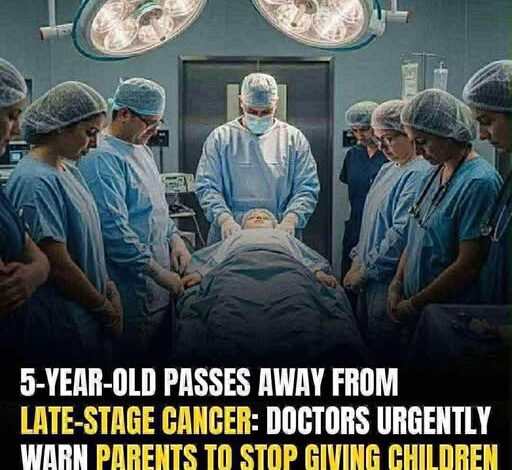
Every parent’s greatest nightmare is hearing the word “cancer” in connection with their child. It is a reality that shatters lives, destroying the innocence of childhood and the foundation of a family in an instant. While we cannot always control the genetic hand our children are dealt, we are inadvertently surrounding them with silent, invisible dangers hidden in the very products we trust. From the pantry to the bathroom cabinet, everyday items are quietly compromising your child’s health. It is time to stop the cycle of exposure and take control of the environment that shapes their future.
The journey of pediatric cancer is a path no family should ever have to walk. Tragically, even the most devoted parents, who provide everything their children could ever need, find themselves facing an enemy they never saw coming. Cancer is cruel and indiscriminate; it spares no one. However, while we cannot always predict or prevent these illnesses, medical professionals have identified specific, avoidable factors that significantly contribute to long-term health risks. Your child’s developing body is far more sensitive to toxins and chemicals than your own, making it imperative to audit the items you bring into your home.
The first major culprit hiding in plain sight is the category of ultra-processed meats. This includes the convenient staples that have become a shortcut for busy parents: hot dogs, bacon, deli meats, and sausages. The World Health Organization has officially classified these products as Group 1 carcinogens, meaning there is compelling, high-level evidence that they directly contribute to cancer risk. These meats are packed with nitrates and nitrites—preservatives specifically utilized to extend shelf life but which form carcinogenic compounds within the body, particularly in the colon. Because a child’s digestive system is still in a state of rapid development, they are uniquely vulnerable to these compounds. Transitioning away from these items to fresh, lean meats, grilled poultry, or even plant-based alternatives is a simple, life-altering change you can make today.
The second danger is one that many parents mistake for a harmless treat: sugary beverages. This includes not just standard sodas, but energy drinks and even fruit juices that are marketed as “natural” but are, in reality, nothing more than concentrated sugar. These drinks are major drivers of metabolic dysfunction, obesity, and diabetes, but the danger goes deeper than weight gain. Many soft drinks contain artificial dyes and preservatives that have been linked to increased cancer risks in various studies. Even diet sodas, which many parents select as a “healthier” choice, are problematic; they often contain additives that disrupt metabolism and trigger hunger cravings. Replacing these with pure water infused with fresh fruit slices or homemade smoothies using whole, unprocessed fruits is a significantly safer and more hydrating alternative.
Third on the list of household hazards are plastic containers and bottles. Many parents inadvertently expose their children to Bisphenol A (BPA), a common chemical used in the manufacturing of plastics that acts as a potent endocrine disruptor. BPA effectively mimics the hormone estrogen in the body, which has been linked to an increased risk of several types of cancers, including breast and prostate. Even when you seek out “BPA-free” products, they frequently contain Bisphenol S (BPS), which has been shown to be just as dangerous. The solution is to remove plastic from your kitchen cabinets entirely. Invest in glass, stainless steel, or food-safe silicone containers. Most importantly, never microwave food or drinks in plastic, as the heat facilitates the leaching of these chemicals into your child’s meal.
The fourth risk factor is tied to how we prepare our food. Heavily fried or charred foods are not just a flavor profile; they are a health risk. When food is subjected to extreme, direct heat—such as in deep frying or charring over an open flame—it produces harmful chemical compounds like acrylamide and heterocyclic amines (HCAs). These substances have been scientifically linked to higher cancer risks. By shifting your cooking habits toward steaming, poaching, or baking, you can achieve the same meals while removing the chemical byproduct that results from intense searing or frying. It is a subtle shift in technique that yields a massive benefit for your child’s long-term health.
Finally, we must look at the personal care products we use on our children’s skin. Many traditional talc-based baby powders have been subject to intense scrutiny and litigation due to potential asbestos contamination. Beyond powders, a wide array of baby shampoos, lotions, and wet wipes contain formaldehyde-releasing chemicals, which are classified as carcinogens. When choosing products for your child, ignore the marketing jargon and become a student of the ingredient list. Seek out brands that are explicitly talc-free and formaldehyde-free, prioritizing those that use organic, natural ingredients.
These five areas represent the most common points of exposure in a modern home, but they are entirely within your control to change. It is easy to feel overwhelmed by the complexity of the world, but your home should be the one place where you have absolute authority. By making these intentional, meaningful adjustments, you are not just cleaning your kitchen or changing your shopping habits—you are building an invisible shield for your child. Their health is the most valuable asset you will ever protect, and through consistency and awareness, you can significantly reduce the cumulative chemical burden they face. Start today; the most important investment you can make in your child’s future is the health of their present.