THE FORGOTTEN SUPERFOOD: Why You Should Be Eating This “Kitchen Basic” Every Single Day to Save Your Life
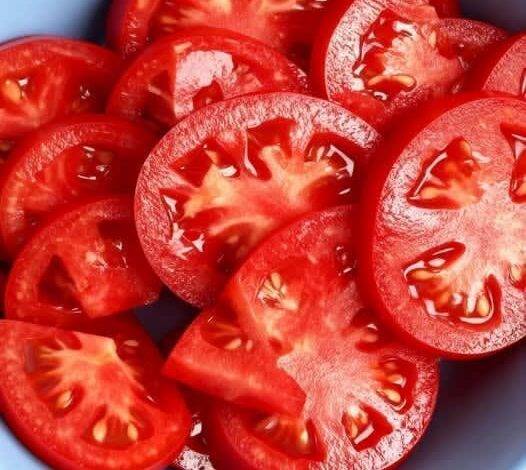
You walk past them in the produce aisle every single week, viewing them as nothing more than a salad garnish or a standard burger topping. You have been treating a nutritional powerhouse like a mere afterthought, never realizing that you are ignoring the single most effective, natural weapon against aging and disease hiding in plain sight. This isn’t just another vegetable; it is a complex, antioxidant-rich, life-extending marvel that is actively fighting to save your cells from destruction. Stop ignoring the most important ingredient in your kitchen—your health, your skin, and your longevity depend on realizing the truth about tomatoes right now.
Tomatoes have long been cemented as a global culinary staple, a reliable foundation for everything from the most delicate Mediterranean salads to robust, slow-simmered Sunday sauces. Their versatility is unmatched, allowing them to shift seamlessly from a raw, crisp delight to a concentrated, savory flavor enhancer. However, to relegate the tomato to a simple culinary accessory is a profound mistake. When you look beneath their vibrant, glossy skin, you find a dense nutritional architecture that offers a sophisticated defense system for the human body, serving as an ally in the daily battle against illness, environmental stress, and the inexorable march of time.
At the core of the tomato’s value is its extraordinary concentration of vitamin C. While many associate this nutrient primarily with citrus, tomatoes are a potent, accessible source that offers far more than just immune system support. Vitamin C is a critical component in the body’s collagen production, the structural scaffolding that keeps skin firm, resilient, and youthful. By facilitating efficient wound healing and bolstering the immune system, the regular consumption of tomatoes acts as a form of daily resilience, fortifying your defenses against the myriad pathogens and stressors we encounter in a modern, fast-paced environment.
Furthermore, tomatoes are an abundant source of vitamin A, a nutrient essential for maintaining optimal vision, fostering healthy skin, and facilitating proper cell growth and communication. When the antioxidant properties of vitamin A and vitamin C combine within the tomato, they create a synergistic force against free radicals—unstable molecules that wreak havoc on our cellular structure and contribute significantly to the aging process. By incorporating these compounds into your diet, you are effectively providing your body with a sophisticated internal armor, actively neutralizing the oxidative stress that can lead to chronic fatigue and tissue breakdown.
The benefits extend deep into the skeletal and circulatory systems through the inclusion of vitamin K and potassium. Vitamin K is a cornerstone of bone health, playing an indispensable role in blood clotting and the maintenance of skeletal density, which becomes increasingly important as we navigate the later stages of life. Simultaneously, potassium works silently to regulate blood pressure and optimize cardiovascular function. For a demographic increasingly concerned with the silent, insidious threats of hypertension and heart disease, the simple addition of potassium-rich tomatoes to a daily regimen is a profoundly proactive step toward long-term cardiovascular stability.
What makes the tomato truly remarkable in the context of modern nutrition is its unique profile of being exceptionally nutrient-dense while remaining naturally low in calories. In a world saturated with hyper-processed, calorie-dense foods that offer little in the way of satiety or nutritional reward, the tomato stands out as a beacon of efficiency. Its high water content provides the volume necessary to promote a feeling of fullness, aiding in weight management and metabolic health without the burden of excess caloric intake. It is the rare “diet-friendly” food that doesn’t feel like a sacrifice, offering both the sensory pleasure of flavor and the functional benefit of nourishment.
The debate over the best way to consume tomatoes—raw, cooked, or as a juice—often obscures the most important point: the benefits are consistent across the board. While cooking tomatoes can actually increase the bioavailability of certain antioxidants like lycopene, the raw fruit provides a refreshing hydration boost and immediate vitamin availability. Whether you are blending them into a morning juice, roasting them until they caramelize in the oven, or slicing them fresh for a sandwich, you are consistently upgrading your dietary profile.
We often search for complex, expensive supplements or “superfoods” imported from distant corners of the globe, hoping for a magic solution to our health concerns. Yet, we frequently overlook the humble, accessible, and scientifically proven nutritional treasure that has been a staple of human diets for centuries. Tomatoes are not just a kitchen basic; they are a central pillar of a longevity-focused lifestyle. By consciously choosing to elevate the role of the tomato in your everyday meals, you are not merely adding color and taste to your plate. You are investing in your immunity, protecting your cardiovascular system, supporting your skeletal integrity, and arming your body with the antioxidants required to remain vibrant and resilient. It is time to treat this kitchen staple with the respect and priority it truly deserves—your body will thank you for it in the decades to come.