The Terrifying Truth Your Visible Veins Are Trying to Tell You Before It’s Too Late
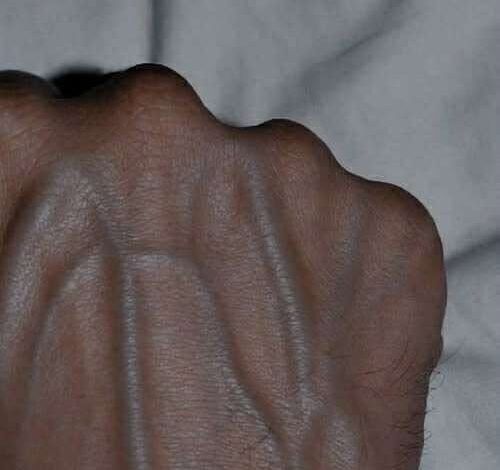
Those haunting blue lines tracing their way beneath your skin are not just a cosmetic nuisance—they are a high-stakes Morse code from your internal organs that you have been ignoring for far too long. We have all caught ourselves staring into the mirror, alarmed by the sudden prominence of veins that weren’t there yesterday. Is it just a sign of aging, or is your body screaming for help from a silent, hidden danger? Most people dismiss these vascular maps as harmless quirks, but the reality is chilling. Discover the life-saving difference between normal skin and the deadly warning signs you cannot afford to miss.
For the vast majority of individuals, the appearance of visible veins is a completely benign byproduct of being human. As we navigate the complexities of life—aging, fluctuations in weight, and the natural thinning of our dermis—our vascular system inevitably becomes more apparent. If you are an athlete, you might notice your veins bulging during a heavy workout due to the increased blood flow required to fuel your muscles. If you are someone with naturally low body fat or pale skin, those blue and green highways beneath your epidermis are simply more visible because there is less tissue to obscure them. In the sweltering heat of summer, your body’s natural mechanism to cool itself down involves dilating these vessels, making them appear darker and more prominent as they work to regulate your temperature. These are the mundane, everyday realities of a healthy body performing its standard maintenance.
However, the line between a standard physical trait and a medical red flag is thin, and it is a line that far too many people cross without realizing it. Because the veins are the primary conduits for our circulation, any sudden, unexplained, or persistent change in their appearance should be treated with a measured level of curiosity rather than immediate panic. The key to maintaining your health lies in understanding the difference between the aesthetic of a vein and the physiology of a symptom. While you should not lose sleep over a few faint blue lines on your forearms, you must remain vigilant for the signs that your body is struggling to manage its internal traffic.
The real danger begins when the visibility of veins is accompanied by physiological distress. The most common culprit behind concerning venous changes is Chronic Venous Insufficiency (CVI). This condition occurs when the valves inside your veins—the tiny, miraculous structures that prevent blood from flowing backward—begin to fail. When these valves lose their integrity, blood pools in the vessels, increasing the pressure and causing the veins to stretch, twist, and bulge. If you ignore this, it doesn’t just stay a cosmetic issue. It can lead to the formation of varicose veins, which, while often seen as just a “look,” are actually signs of a malfunctioning circulatory system.
You need to listen to what your body is whispering when it isn’t speaking. Are those veins accompanied by a dull, aching heaviness in your legs, especially after a long day of standing? Do you experience persistent swelling, particularly around your ankles or feet, that doesn’t seem to dissipate with rest? If you notice that the skin around these visible veins has begun to discolor, turning a rusty brown or looking thin and papery, this is a significant warning sign that blood is leaking into the surrounding tissue. This discoloration, known as stasis dermatitis, is your body telling you that the pressure in your veins is damaging your skin’s integrity from the inside out.
Furthermore, there are acute warning signs that warrant an immediate trip to a medical professional. If a vein feels hard, cord-like, or excessively warm to the touch, it may indicate a superficial thrombophlebitis—an inflammation of the vein caused by a blood clot. While superficial clots are often less dangerous than deep vein thrombosis, they are still a sign that your system is in a state of crisis and requires intervention. Other red flags include persistent skin lesions or ulcers that refuse to heal, even with standard care. If you find yourself frequently experiencing coldness in your fingers or toes, or if you feel a “pins and needles” sensation that doesn’t go away, these are indicators that your circulation is severely compromised.
It is important to remember that fear is a poor motivator for health management; knowledge is the only tool that actually works. Most of the time, the blue lines on your arms are just the map of a life well-lived. But you are the guardian of that map. If you are ever in doubt, the most intelligent thing you can do is consult a specialist. A simple venous ultrasound can provide a definitive look at what is happening beneath the surface, offering you either the peace of mind that everything is working as it should or the early diagnosis necessary to prevent a minor issue from becoming a major medical event.
Ultimately, your veins are the quiet workers of your physiology, hauling oxygen and nutrients through the vast network of your body day in and day out. They deserve your attention, but they do not deserve your paranoia. By cultivating a habit of body awareness—noting changes, tracking symptoms, and prioritizing a heart-healthy lifestyle—you can ensure that those blue lines remain what they are supposed to be: the background infrastructure of a healthy, functioning life. Do not wait for a crisis to start paying attention to the signals your skin is sending. Look, observe, and if something feels fundamentally wrong, honor that intuition by seeking the help of a professional. Your health is the only investment that truly matters, and understanding the map of your body is the first step toward securing it.