The Terrifying Truth About That Fleshy Bump On Your Skin You Must Not Ignore
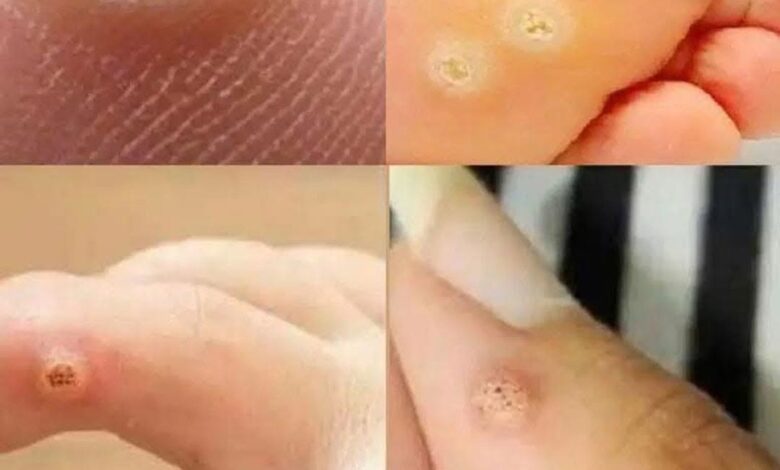
You look down at your foot, and there it is—a small, fleshy, and strangely painful bump that was absolutely not there yesterday. Panic begins to set in as you wonder if this mysterious growth is a simple nuisance or the beginning of a disfiguring, contagious nightmare that could spread across your entire body. You have seen them before, but you never thought they would happen to you. Is it a harmless blemish, or is it a viral invader hijacking your skin cells to feed its own rapid, unwanted growth? The truth about what these bumps really are will leave you absolutely breathless.
At their core, warts are far more than just surface-level blemishes; they are the physical manifestation of an internal war. They are caused by the human papillomavirus, or HPV, a relentless pathogen that seeks out the slightest imperfection in your biological armor. Whether it is a tiny, invisible microscopic cut or a slight scrape that you didn’t even register when it happened, the virus exploits that opening to enter your body. Once inside, it commands your skin cells to abandon their normal life cycle and instead enter a state of hyper-growth. This process creates that familiar, rough, and often cauliflower-like texture we have all come to loathe.
The diversity of these growths is one of the most unsettling aspects of the virus. Common warts, the classic variety found on hands and fingers, are the most recognizable, but their counterparts are far more devious. Plantar warts, for example, choose to colonize the soles of your feet. Because you are constantly exerting pressure on them with every step you take, they are forced to grow inward, burrowing deep into the tissue. This often results in the sensation of walking around with a jagged, painful pebble permanently wedged into your shoe. They are not merely visible issues; they are mechanical problems that can alter the way you walk, stand, and live.
Other types, such as flat warts, are far more subtle. They are smoother, less imposing, and often appear in clusters across the face, arms, or legs. They are masters of disguise, frequently mistaken for simple dry skin or minor irritation. Then there are filiform warts, the most dramatic of the bunch, which sprout long, thin, thread-like filaments that seem to grow directly out of the sensitive skin surrounding your eyes, nose, and mouth. These are particularly concerning not just because of their jarring appearance, but because they occupy some of the most delicate real estate on your body, making conventional removal methods difficult and risky.
Genital warts represent the most serious tier of this viral infection. Appearing in or around the genital and anal regions, they are often caused by high-risk strains of HPV that have been definitively linked to an increased danger of serious health outcomes, including cancer. Unlike the bumps on your hands, these are not just cosmetic inconveniences; they are major health signals that require immediate medical intervention and consistent monitoring. Prevention in these cases is not just about avoiding a blemish—it is about protecting your long-term systemic health through responsible precautions, regular screening, and honest communication with partners.
We also see what are colloquially known as age warts, or wisdom spots, which begin to emerge as we cross the threshold into our forties. Starting as innocent-looking, yellowish patches of skin, they eventually darken and thicken, evolving into rough, raised surfaces that populate the upper back, forehead, and hands. While they are generally benign, they are the ultimate tricksters of the dermatology world, as their physical structure can mirror the appearance of more aggressive skin conditions like melanoma. If you ever notice a spot changing shape, size, or color, do not treat it as a routine wart—treat it as a mandatory reason to see a doctor immediately.
The most vital thing to remember is that warts are unequivocally contagious. They do not spontaneously manifest out of thin air; they are picked up. They spread through direct skin-to-skin contact, but they are equally adept at hitchhiking on contaminated surfaces. Sharing a razor, walking barefoot in the communal humidity of a locker room, or even touching a shared door handle can be enough to pick up the virus if you have the right conditions for an infection. The virus is a master of opportunism, waiting for the exact moment when your skin is compromised to stage its infiltration.
When it comes to home remedies, the internet is flooded with DIY solutions that range from the bizarre to the surprisingly effective. Duct tape, for instance, has gained a cult following as a legitimate treatment. By sealing the wart under an airtight layer of tape, you are effectively starving the virus of oxygen, which, when combined with regular soaking and sanding with a pumice stone, can lead to the wart eventually surrendering. Similarly, apple cider vinegar and crushed aspirin pastes are popular because of their acidic properties, which mirror the chemical action of over-the-counter salicylic acid treatments by essentially peeling the infected layers of skin away one by one.
Tea tree oil is another common weapon in the war against warts, prized for its potent antimicrobial properties. However, these home treatments are not a license to play doctor. The skin is your largest organ, and it is remarkably sensitive to over-treatment. Applying acidic substances or oils to a wart on your face or near your genitals is a recipe for severe irritation, chemical burns, or even scarring that is far worse than the original blemish. If the growth is bleeding, if it is rapidly changing, or if it is the source of sharp, radiating pain, you need to abandon the kitchen-cabinet cures and get to a specialist.
Medical professionals have access to tools—such as cryotherapy, surgical excision, or specialized topical compounds—that are exponentially more effective and faster than what you can achieve with a roll of tape in your bathroom. They can ensure that the growth is actually a wart and not a dangerous skin cancer that is masquerading as one. Do not let the embarrassment of a small bump prevent you from getting the care you deserve. By the time you notice these growths, they have already been active for a while; do not give them any more time to spread to the people you love or to take deeper root in your own skin. Watch for the signs, be smart about your treatments, and prioritize your long-term health over the temporary comfort of home-based guesswork.