THE TRUTH ABOUT THE POWERFUL WOMEN NAMED IN THE EPSTEIN FILES
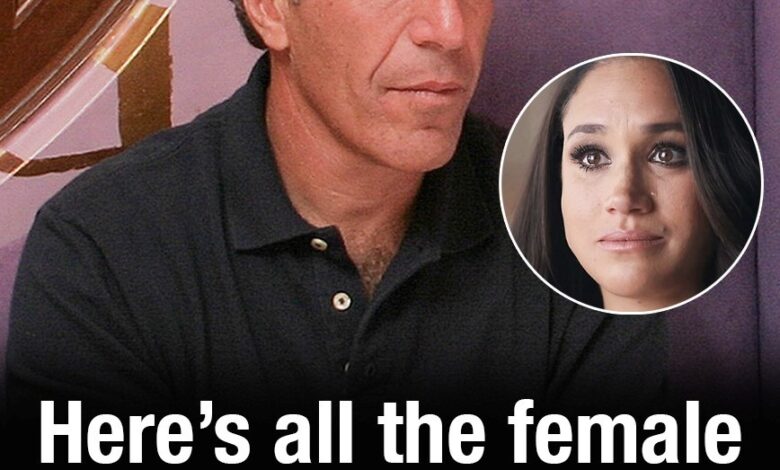
The explosive release of the long-shrouded Jeffrey Epstein archives has sent shockwaves through the highest echelons of global society and left the public demanding answers. While the world previously focused on the men surrounding the disgraced financier, a darker and more complex narrative is now emerging as the names of prominent women come to light. Are these icons mere bystanders in a web of elite influence, or is there a deeper, more sinister connection that has been hidden for years? The implications are staggering, and the truth behind these high-profile associations is finally beginning to crack the foundation of fame.
The Department of Justice’s decision to disclose these massive, 3.5-million-page archives has reignited a fierce global debate, forcing us to re-examine the proximity of power to one of the most heinous criminal enterprises in modern history. As investigators and the public alike pore over these documents, the focus has shifted from simple association to the mechanics of influence itself. Epstein was a master of cultivation, creating a social network that bridged the gaps between royalty, politics, philanthropy, and the glittering world of Hollywood entertainment. The presence of so many renowned names within these files is not just a list of contacts; it is a map of the connections he used to insulate himself from accountability for years.
Among the figures drawing the most intense scrutiny is Sarah Ferguson, the former wife of Prince Andrew. Her presence in the files has sparked significant interest, particularly regarding correspondence that painted a picture of deep professional and social ties. Emails from the period depict her referring to Epstein in unexpectedly glowing terms, describing him as a pillar of his community even while his legal shadow began to loom over his associates. The nature of these emails, combined with the timing of their correspondence during his initial legal challenges, has fueled intense public curiosity. Reports have since circulated regarding her seeking privacy in a recovery clinic, a move that only added fuel to the fire of speculation surrounding her involvement and the scrutiny she has faced in the wake of the disclosures.
The list of names reads like a roll call of modern influence, spanning industries that rarely overlap. Philanthropic giants such as Melinda Gates appear in the documents, though these mentions are largely contextual, relating to business dealings or charitable framework discussions. Crucially, authorities have repeatedly emphasized that the mere mention of an individual within these files is not evidence of wrongdoing. Epstein’s strategy often involved name-dropping to bolster his own legitimacy, creating an environment where high-ranking individuals were linked to him through professional obligation or social proximity rather than complicity in his crimes.
This pattern is especially evident in the political sphere. The archives contain references to some of the most powerful women in international politics, including Hillary Clinton, Michelle Obama, Kamala Harris, Nancy Pelosi, and Nikki Haley. These mentions serve as a stark illustration of just how aggressively Epstein pursued access to the halls of power. By inserting his name into conversations, events, and donor lists associated with these figures, he constructed a shield of respectability that made his operations harder for authorities to penetrate. It was a calculated performance, designed to make his world appear as legitimate and exclusive as possible.
The glitz of Hollywood is just as prevalent, with the files featuring figures such as Naomi Campbell, Alyssa Milano, Whoopi Goldberg, and Amy Schumer. These interactions are largely documented through guest lists, event invitations, or social introductions, highlighting the reach Epstein had into the cultural zeitgeist. For many observers, these connections were a result of the social economy of the elite, where high-profile events were a currency unto themselves. However, the optics of these associations have proven damaging, as the public struggles to reconcile the glamorous image of these stars with the horrific reality of the crimes Epstein was committing in the shadows.
Other notable names, such as Monica Lewinsky and Meghan Markle, also surface, often linked to industry gatherings or events from earlier stages in their public trajectories. Even historical icons like Marilyn Monroe and Diana Ross are referenced in broader, contextual ways, further demonstrating that Epstein was not just hunting for current power but was obsessed with maintaining an aura of historical and cultural significance. He wanted his network to be seen as the center of the world, a place where the most important people could be found, regardless of the era or the industry.
The sheer breadth of this list has led to a significant public conversation about the nature of power, access, and accountability. When a single individual can leverage proximity to so many influential people to obscure their own dark activities, it calls into question the vetting processes of the elite. These files act as a sobering mirror, reflecting a society where influence often precedes integrity. For many, the disclosures are not merely a historical curiosity but a reminder that the systems we rely on to vet our leaders and celebrities often fail in the face of immense wealth and well-connected gatekeepers.
As the legal processes continue and the dust settles on these revelations, the call for total transparency becomes louder. The public is no longer satisfied with simple explanations or the dismissal of these names as mere social trivia. They are demanding a full accounting of how one man managed to weave himself into the fabric of the most successful lives in the world. While the legal distinction between a business contact and a conspirator remains clear, the moral and social questions linger. In the end, the Epstein files do more than just name names; they expose the fragility of the social structures that allow such characters to thrive, and they serve as a permanent mark on the reputations of everyone caught in the web of his influence. The era of unchecked access is being challenged, and these files are the evidence that the world is finally ready to look at the shadows he left behind.