THE SHOCKING REASON YOUR LAUNDRY SMELLS LIKE MILDEW AND WHY A COMMON KITCHEN STAPLE IS THE ONLY FIX YOU NEED
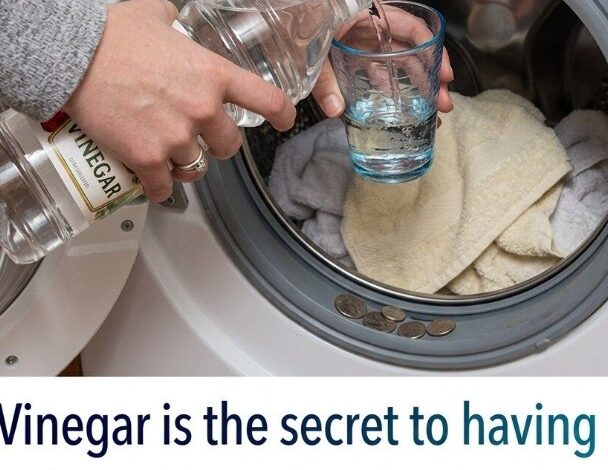
We have all experienced that moment of profound disappointment: you open the washing machine, eager to pull out a load of fresh, clean clothes, only to be greeted by a damp, musty odor that seems to cling to the fabric even after a full wash cycle. It is a common frustration, leading many to believe that their machine is failing or that their detergent is simply not strong enough to handle the job. The reality, however, is far more insidious. Modern washing machines are marvels of convenience, but they are also complex environments that serve as magnets for dirt, fabric fibers, mineral deposits from hard water, and the persistent residue of modern liquid detergents. Over time, these materials build up in the drum, the pipes, the rubber seals, and the crevices of the detergent drawer, creating a perfect, damp ecosystem where mold and bacteria thrive.
If you have been struggling with laundry that never quite smells clean, you are likely dealing with a neglected machine. Many people make the mistake of assuming that the wash cycle itself—which involves soap and hot water—acts as a self-cleaning mechanism. Unfortunately, this is not the case. The very residues that we are trying to wash out of our clothes are constantly accumulating in the internal anatomy of the appliance. In front-loading machines, this problem is exacerbated by the moisture trapped in the door seals, where mold finds a dark, damp home to colonize. Furthermore, hard water introduces a secondary culprit: limescale. These mineral deposits gradually coat the heating elements and the interior pipes, not only creating a rough surface where grime can latch on but also forcing the machine to work harder to achieve the necessary water temperature, which drastically reduces its energy efficiency and shortens its operational lifespan.
This is where the magic of white vinegar comes into play. It is perhaps the most underrated, affordable, and effective tool in the modern household’s cleaning arsenal. The secret to vinegar’s effectiveness is acetic acid. When introduced into the washing machine, this mild acid performs a dual function: it effectively dissolves the accumulation of limescale and mineral deposits, and it cuts through the waxy, stubborn film of soap scum that coats the internal drum. Because it is a liquid, it is able to circulate through the internal pipes and reach the areas that are physically impossible to scrub by hand. Running a cycle with vinegar is the equivalent of a deep detox for your appliance, flushing away the debris that has been compromising its performance for months.
For the most effective results, you should treat your machine to a deep clean at least once every few months. Start by ensuring the drum is entirely empty. Pour approximately two to three cups of high quality white vinegar directly into the drum or, if your machine design allows, into the detergent compartment. Select the hottest water cycle available—this is crucial, as heat accelerates the chemical reaction of the acetic acid. Once the cycle begins, let the machine agitate for a few minutes to ensure that the vinegar has been thoroughly distributed to every corner of the internal plumbing. If your machine features a “pause” function, hit it once the drum is full and let the vinegar solution soak in the machine for an hour. This extended contact time allows the acid to fully break down the stubborn, calcified buildup that has been hiding in the pipes.
While vinegar is the primary workhorse, some enthusiasts choose to pair it with baking soda. By adding a half-cup of baking soda to the drum after the vinegar cycle, you create a mild, bubbling reaction that helps loosen any stubborn debris that was left behind. It is important, however, to use these ingredients in moderation. While they are natural and generally safe, excessive use over many years can potentially affect the structural integrity of the rubber seals or certain plastic components, so balance is key.
However, the interior of the drum is only half the battle. If you are serious about restoring your machine to its original condition, you must pay attention to the external components. The detergent drawer is frequently the most overlooked part of the entire appliance. It is often a breeding ground for thick, congealed soap residue and mold spores. Remove the drawer entirely and scrub it with a solution of warm water and diluted vinegar, using a toothbrush to reach into the narrow channels where buildup accumulates. The door seal—the rubber gasket on front-loaders—should also be wiped down with a vinegar-dampened cloth after every few laundry days. This simple habit prevents the moisture from settling, which is the single most effective way to keep mold at bay.
The benefits of this regular maintenance extend far beyond a pleasant scent. A clean washing machine is a more efficient one. By removing the limescale from the heating element, you allow the machine to heat the water to the target temperature much faster, which saves energy and puts less strain on the electrical components. Furthermore, by eliminating the biofilm of soap scum and mold, you ensure that your detergent is being used to clean your clothes rather than being neutralized by the grime inside the machine. You will find that you need less detergent to achieve the same results, your clothes will come out significantly fresher, and you will effectively eliminate the need for those “second rinse” cycles that waste water.
In the final analysis, maintaining a clean washing machine is about moving from a state of reactive repair to one of proactive care. We often spend hundreds of dollars on specialized chemical cleaning pods, many of which are expensive and contain harsh additives that we don’t necessarily want lingering in our fabrics. Vinegar offers an elegant, natural, and inexpensive alternative that works better than most commercial equivalents. Simple, consistent habits are the bedrock of appliance longevity. By making a commitment to occasional vinegar rinses, ensuring your detergent drawer remains free of debris, and—most importantly—leaving the door of your machine open between cycles to allow for adequate airflow and evaporation, you can ensure that your washing machine remains a reliable, high-performing asset for years to come. It is a small investment of time that pays massive dividends in the quality of your laundry and the protection of one of the most essential tools in your home. By treating your appliance with care, you aren’t just cleaning a machine; you are securing the longevity of your home’s workflow, proving that the most effective solutions are often the ones we have had in our pantry all along.