Why Your Hands Go Numb and What You Can Do About It
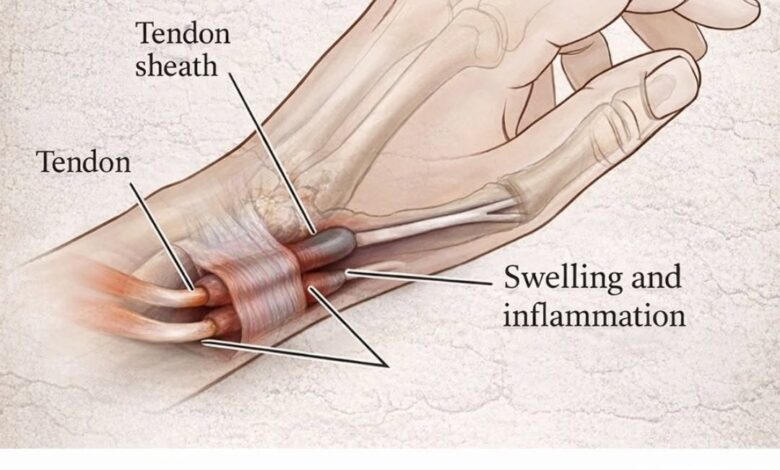
Waking with a numb or tingling hand is common. Often, the explanation is temporary pressure on a nerve from sleeping with the wrist bent, the arm under the body or the elbow tightly flexed. The sensation usually fades after changing position and moving the hand. When numbness returns frequently, lasts longer or arrives with other symptoms, it deserves closer attention.
The “pins and needles” feeling is called paresthesia. It can include tingling, burning, reduced sensation, buzzing or temporary weakness. Nerves carry signals between the brain, spinal cord and hand. Pressure, inflammation or injury anywhere along that route can change what a person feels in the fingers. The distribution of numbness can sometimes help a clinician identify which nerve is affected.
Carpal tunnel syndrome involves compression of the median nerve at the wrist. It often affects the thumb, index, middle and part of the ring finger, and symptoms may be worse at night. Repetitive hand use is only one possible contributor; anatomy, pregnancy, certain illnesses and wrist position can also play a role. Shaking the hand may provide temporary relief, but persistent symptoms need assessment.
The ulnar nerve runs near the “funny bone” at the elbow. Leaning on the elbow or sleeping with it sharply bent can produce tingling in the little finger and part of the ring finger. Nerve irritation in the neck can cause numbness that travels down the arm, sometimes with neck pain. Diabetes, thyroid disorders, vitamin deficiencies, medication effects and other conditions may also contribute to peripheral nerve symptoms.
Simple changes can help when position is the likely cause. Try keeping wrists in a neutral, straight posture during sleep and avoid placing body weight on an arm. Adjust pillows so the neck and shoulders are supported. During the day, take breaks from prolonged gripping or positions that bend the wrist and elbow. A clinician may recommend a nighttime wrist splint for suspected carpal tunnel syndrome, but fit and diagnosis matter.
Do not assume that every numb hand needs stretching or massage. If a nerve is injured or severely compressed, forceful movement can worsen discomfort. Persistent weakness, dropping objects, loss of fine control or visible muscle wasting should be evaluated promptly. A healthcare professional may perform strength and sensation tests and, when appropriate, order nerve studies, blood tests or imaging.
Sudden numbness can be an emergency when it affects one side of the body or occurs with facial drooping, speech difficulty, confusion, severe headache, loss of balance or vision changes. Those may be stroke signs. Call emergency services immediately, even if the symptoms begin to improve. Numbness after a major injury, with severe neck pain, or accompanied by chest pain or difficulty breathing also warrants urgent care.
Color and temperature changes provide another reason for prompt attention. A hand that becomes unusually pale, blue, cold or painfully swollen may have a circulation problem. Tight jewelry should be removed if swelling begins and can be taken off safely, but urgent symptoms require professional evaluation rather than waiting for a home remedy.
For recurring mild episodes, keeping notes can make a medical visit more useful. Record which fingers are affected, how long the sensation lasts, whether the neck or elbow hurts and what position or activity came before it. Include medical conditions and all medicines or supplements. Patterns that feel random may become clearer when documented.
Most brief cases of a hand “falling asleep” resolve without harm, but frequency and context matter. Good sleep positioning and ergonomic habits may reduce ordinary nerve pressure. When symptoms persist, spread or include weakness, the solution begins with identifying the cause. Numbness is a signal, not a diagnosis—and the right response ranges from a small posture change to immediate emergency care.