What Happens After a High Speed Train Collision
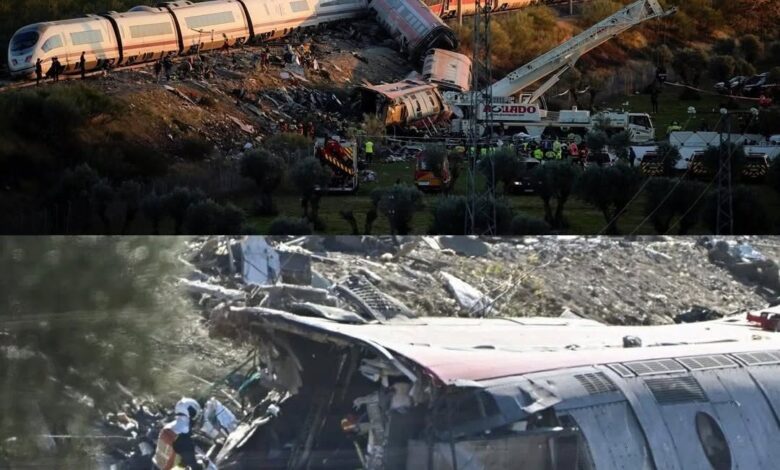
A high-speed train collision creates several emergencies at once. People inside the carriages may need urgent help, while responders outside must work out which parts of the railway are safe to approach. Passengers who can leave the train need somewhere to gather, and families elsewhere begin searching for information. The first reports can convey the scale of the emergency before anyone has assembled a complete account of what happened.
The immediate priority is reaching people who need assistance. The position of the carriages, damage around doors, and conditions along the track can affect how responders get inside. A passenger walking away from a carriage may have experienced the same collision as someone who cannot move without help. That makes the early response a series of individual assessments, even when the incident is being described publicly through a single casualty figure.
The railway itself also has to be treated as part of the emergency scene. Other services may be approaching the area, and equipment around the track may pose hazards. Access routes that look close on a map may be difficult for emergency vehicles to use. Responders and railway staff need a shared understanding of where people are working and which areas can be entered. Those practical questions influence the pace of rescue work.
For passengers who have left the train, being clear of the wreckage is only one step. They may be separated from companions, belongings, or the phone they would normally use to contact relatives. A place to receive help and record where people have gone can become essential to understanding who has been accounted for. The people waiting for news need reliable updates that connect a name to a location or a point of contact.
That process explains why early figures can change. A first count may describe the people reached in one part of the train. A later update may include other carriages or information from hospitals. Each figure needs to be understood with its time and source. A number circulating without either can continue to be repeated long after the situation it described has changed.
Once the immediate rescue work is under control, investigators face a different task. They need to reconstruct the sequence before the collision. The condition of the trains, their movements, the track, and the information available to staff may all be relevant. A dramatic photograph can show the consequences of an impact without revealing the chain of events that led to it. Establishing that chain takes a fuller record.
The aftermath also extends beyond the railway. Survivors and relatives may be dealing with injuries, uncertainty, lost contact, or the death of someone they love. Their needs continue after the first news reports move on. Clear information about assistance, transport, and official updates helps people take the next step without having to rely on fragments shared online.
A collision is therefore a rescue operation, an investigation, and a lasting personal event for the people involved. Understanding those stages gives the public a clearer way to follow developing reports while leaving room for the detailed account that responders and investigators are still assembling.