These Are the Consequences of Wearing…
Secondhand clothing can be affordable, distinctive, and far less wasteful than buying everything new. Wearing a thrift-store find is not inherently dangerous, but putting it on straight from the rack can expose your skin to residues left by storage, handling, or a previous owner. A few sensible steps before wearing it can make the experience cleaner and more comfortable.
Used garments may carry ordinary traces of daily life, including sweat, skin oils, dead skin cells, dust, perfume, deodorant, pet dander, and laundry products. Clothes can also collect grime while being transported, sorted, displayed, and repeatedly tried on. None of this means a garment is automatically contaminated or unsafe. It simply explains why washing it first is a practical precaution, especially when the fabric will rest directly against the skin.
Skin irritation is often the main concern
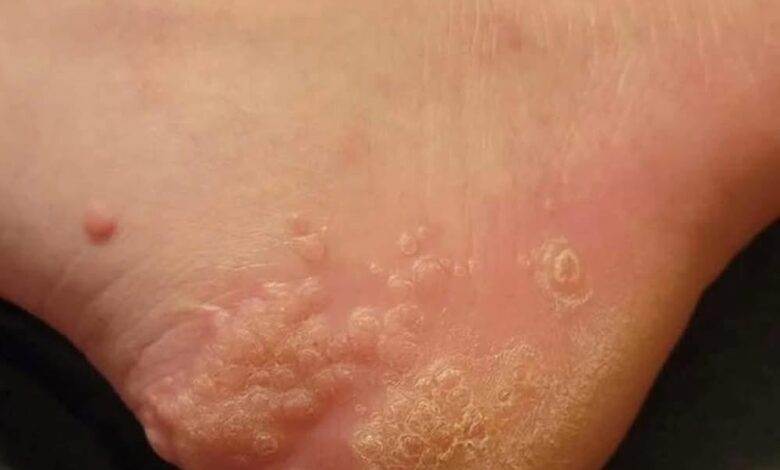
Fragrance, detergent residue, fabric softener, and dust may cause itching or redness in people with sensitive skin. Someone with eczema or contact dermatitis may react more strongly than another person wearing the same item. A normal wash with a fragrance-free detergent can remove much of that residue. An extra rinse may also help if the material still smells strongly of perfume or cleaning chemicals.
Moisture and poor storage can allow mold or mildew to develop. A musty odor, visible spotting, or fabric that feels damp should not be ignored. Washing may rescue some sturdy garments, but extensive mold or a smell that remains after cleaning can be a reason to leave the item behind. The same is true for heavy staining of unknown origin.
Inspect every item before bringing it home
Look closely at seams, cuffs, collars, waistbands, pockets, and linings. These areas can hide dirt, insect damage, or tiny pests. Check upholstered or heavily lined items with particular care, because they are harder to clean thoroughly than a cotton shirt. Small holes, shed insect skins, dark specks, or an unexplained odor deserve attention. Keeping newly purchased clothes separate from clean laundry until they have been inspected and washed is an easy precaution.
Scabies and lice are more commonly spread through close contact than through a random garment, so serious infection from thrifted clothing is not the usual outcome. Still, clothing associated with an actual infestation needs special handling. Public-health guidance for scabies recommends hot washing and hot drying when the fabric permits. Items that cannot be washed may need dry cleaning or isolation in a sealed bag for several days. Anyone who develops persistent itching or a suspicious rash should seek medical advice instead of assuming another wash will solve it.
Clean according to the care label
Read the label before choosing heat. Cotton basics, towels, and many durable pieces can usually be washed normally and dried completely. Delicate fabrics, structured coats, leather, suede, embellished items, and vintage materials may require professional cleaning. Excessive heat can shrink or damage a garment, so the safest effective method is the one the fabric can tolerate.
Wash secondhand underwear, swimwear, socks, sleepwear, and close-fitting exercise clothing with particular care. If an item cannot be cleaned to a level that makes you comfortable, it may not be worth purchasing. Shoes can be wiped inside and out with a material-safe cleaner, while removable insoles can often be replaced.
After cleaning, dry the garment fully before placing it in a closet or drawer. Damp storage encourages odor and mildew. If the smell, staining, or irritation remains after proper cleaning, stop wearing the item. Thrift shopping does not have to be frightening. Careful inspection, appropriate laundering, and attention to your own skin are usually enough to enjoy secondhand clothes without bringing someone else’s dust and residue into your wardrobe.