IRANIAN MISSILE AND DRONE BARRAGES TARGET U S INSTALLATIONS ACROSS REGIONAL CORRIDORS
EXECUTIVE SUMMARY
Iran has launched waves of ballistic missiles and drones at U.S. military installations across Bahrain, Qatar, Kuwait, and the UAE.
Iran launched aggressive waves of ballistic missiles and one-way attack drones targeting locations hosting United States military forces across the Persian Gulf, forcing regional allies to activate emergency air defenses. This escalating confrontation highlights how quickly regional tensions can expand beyond contained borders. The United States maintains a powerful strategic presence throughout the Gulf, making critical installations in Bahrain, Qatar, Kuwait, and the United Arab Emirates immediate targets for Tehran.
In the United Arab Emirates, security forces activated high-alert protocols following explosions and reports of incoming threats near vital facilities. Al Dhafra Air Base remains a primary focus due to its integration with American regional flight operations. Although authorities are still conducting comprehensive damage assessments from the latest barrage, historical precedents show that critical Gulf infrastructure faces immense pressure during such retaliatory surges.
Bahrain continues to occupy a vulnerable yet strategic position as the host of Naval Support Activity Bahrain, which serves as the headquarters for the U.S. Navy’s Fifth Fleet. Iranian forces have frequently claimed strikes against facilities in the kingdom, prompting local air defense units to intercept numerous projectiles in defense of their airspace.
Qatar and Kuwait share the same precarious reality as regional hosts to crucial American assets. Al Udeid Air Base in Qatar, one of the most prominent U.S. military hubs in the Middle East, has repeatedly faced direct threats and past infrastructure damage from hostile fire. Meanwhile, Kuwaiti air defenses have similarly engaged incoming projectiles aimed at logistics networks supporting American troops.
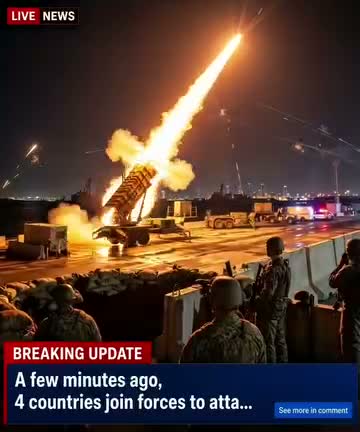
The unmistakable pattern of coordinated strikes exposes the severe vulnerability of foreign military infrastructure across the Gulf corridor. Local governments find themselves forced to neutralize incoming aerial threats to protect their own populations from a widening conflict they did not start. Intense interception operations continue to illuminate night skies as land-based batteries and naval vessels work urgently to secure regional installations.
The four locations in the account are connected by their role as hosts to American forces, but the report does not give a single timeline covering all of them. Describing threats across a region can make separate events sound simultaneous. Establishing that point would require the times of the reported launches, interceptions, and impacts at each location. The passage provides a regional account while leaving those details open.
It also distinguishes incoming threats from established damage. An air defense response indicates that authorities are acting on a perceived or detected threat. It does not, on its own, establish what reached the ground. The passage says assessments were continuing in the United Arab Emirates, and it gives no final accounting of casualties or damage from the reported barrage. Those unanswered questions remain part of the account.
For the governments hosting the facilities, the situation extends beyond the installations themselves. Decisions about local alerts, access to surrounding areas, and public updates affect people living and working nearby. The account describes heightened security measures without supplying instructions for residents. Further information would need to come from the authorities responsible for each location.
The report presents the strikes as a regional escalation. Its next substantive developments would be identifiable updates on when each event occurred, what defenses engaged, and what damage assessments found. Until those details are supplied, the names of the bases explain why the sites matter without establishing the full outcome of the reported attacks.