Family Hospitalized After Eating Vegetables Doctors Explain How Improper Preparation Can Increase Food Pois.oning Risk
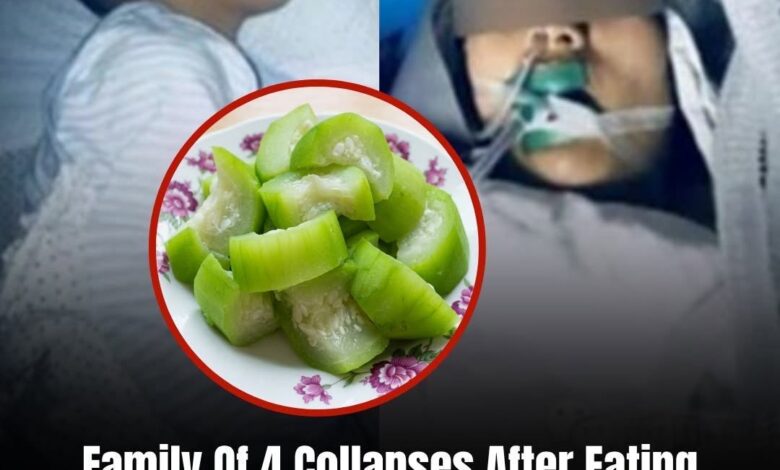
Vegetables are essential sources of fiber, vitamins, minerals, and other nutrients, but nutritious food can still carry harmful germs if contamination occurs during growing, transport, storage, or preparation. A family becoming ill after a vegetable meal does not mean vegetables are inherently poisonous. It means safe handling and correct identification matter.
Fresh produce can encounter bacteria, viruses, or parasites through soil, water, animals, workers, equipment, or contact with other food. Contamination may also happen in a home kitchen when a knife or cutting board used for raw meat touches produce that will be eaten without further cooking.
Foodborne illness can cause nausea, vomiting, diarrhea, cramps, weakness, and fever. Dehydration is a major concern, especially for young children, older adults, pregnant people, and anyone with a weakened immune system. Bloody diarrhea, inability to keep fluids down, severe pain, confusion, or signs of dehydration warrant medical advice.
The Food and Drug Administration recommends selecting produce without rot and refrigerating perishable or precut items at 40 degrees Fahrenheit or below. Fruits and vegetables should be kept separate from raw meat, poultry, and seafood during shopping, storage, and preparation.
Wash hands with soap and water before handling food. Rinse produce under running water and gently rub the surface. Firm items can be scrubbed with a clean produce brush. Soap, detergent, bleach, and household disinfectants should not be used on food because produce can absorb residues and these products may cause illness.
Washing reduces surface contamination but cannot eliminate every pathogen. Remove bruised or damaged areas and discard produce that is rotten, slimy, moldy, or has an abnormal odor. Washing the outside before peeling helps prevent a knife from carrying dirt or germs into the flesh.
Some plants naturally contain compounds that require correct preparation. Wild vegetables and mushrooms should never be eaten without reliable identification, because toxic species can resemble edible ones. Extremely bitter or otherwise abnormal flavor should not be treated as a harmless challenge, and uncertain food should be discarded rather than tasted repeatedly.
Cooked vegetables should not remain at room temperature for extended periods. Refrigerate leftovers promptly in shallow containers and reheat as appropriate. Time and temperature rules matter because bacteria can multiply even when a dish still looks and smells normal.
Keep kitchen equipment clean. Wash boards, knives, dishes, and counters with hot soapy water between raw animal products and produce. Using separate boards can make the routine easier. Cloth towels that contact raw juices should be laundered frequently rather than reused on clean hands or dishes.
Viral headlines sometimes describe a common vegetable as more toxic than arsenic without naming the dose, preparation, or circumstances. Such comparisons create fear and can discourage people from eating healthy foods. Risk depends on the specific plant, contaminant, amount, and method of preparation, not an alarming label applied to all vegetables.
Families can continue enjoying produce safely by buying from reputable sellers, washing correctly, preventing cross contamination, refrigerating perishable items, cooking foods that require heat, and rejecting spoiled or unidentified plants. Vegetables are not the enemy. Careful selection and preparation preserve their benefits while reducing avoidable foodborne risk.
If several people become ill after the same meal, preserve packaging and receipts when possible and contact a healthcare professional or local public health authority. Reporting a suspected outbreak can help identify a contaminated product and protect other consumers. Do not serve the remaining food while waiting for an answer.
People at higher risk may need to avoid raw sprouts or unpasteurized products and choose cooked produce more often. Individual medical advice should guide extra precautions. The goal is not to sterilize every meal, which is impossible, but to interrupt the common routes by which harmful germs reach food.