A Secluded 1.5 Acre Retreat With a Tiny Bungalow Offers Simple Living Potential
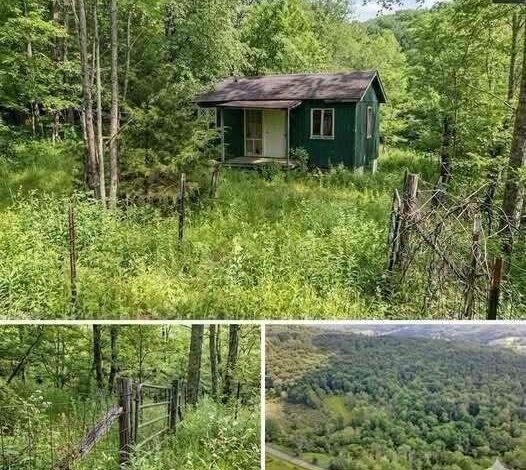
A low-priced rural property can capture the imagination quickly, especially when it promises no nearby neighbors, little noise, mature trees, and room to breathe. This particular 1.5-acre retreat is presented as a place for privacy and possibility, with a price reportedly reduced by six thousand dollars to nineteen thousand. The appeal begins with the land rather than luxury.
Mature trees and open natural areas create a buffer from everyday activity. Instead of traffic and crowded sidewalks, the setting offers birdsong, changing leaves, and a gentler rhythm. A creek crosses the property, adding movement and sound while making the landscape feel more alive through the seasons.
At the center is a compact 10-by-16-foot EF Hodgson bungalow. The structure is much smaller than a conventional home, so expectations matter. It may work best as a simple retreat, studio, reading room, seasonal cabin, or starting point for a carefully planned small-space project rather than an immediate full-time residence.
Supporters of tiny living often value the discipline of using only what is needed. In a structure of this size, furniture must serve more than one purpose, storage needs careful design, and outdoor areas become an extension of the interior. A covered sitting area, secure storage, and thoughtful landscaping could make the limited footprint more practical.
The property may also attract buyers interested in off-grid systems. Solar panels, a properly installed wood stove, and rainwater collection are possibilities often considered for remote land. However, none should be assumed to be legal, sufficient, or already present. Local permits, fire rules, water rights, septic requirements, and building codes must be checked before work begins.
A creek is beautiful, but it creates responsibilities. Prospective buyers should investigate flood zones, seasonal water levels, erosion, wetlands restrictions, access rights, and water quality. They should also confirm property boundaries through a survey. A low purchase price can become expensive if access, drainage, or environmental conditions are misunderstood.
Utilities are another essential question. Buyers need written information about electricity, potable water, sewage or septic options, internet and mobile coverage, road maintenance, winter access, and emergency services. If the land is truly remote, bringing in power or drilling a well may cost more than the purchase itself.
The small bungalow also deserves professional inspection. Its foundation, roof, framing, moisture condition, ventilation, windows, and any existing wiring should be evaluated. The name or appearance of a structure does not confirm that it is approved for sleeping or residential occupancy. Zoning records and permits provide the answer.
For the right owner, the land could support quiet hobbies. Nearby trails, lakes, and small-town shops reportedly provide recreation and basic convenience. Hiking, fishing, kayaking, gardening, wildlife watching, and stargazing fit naturally with a place designed around the outdoors. An artist or writer might value uninterrupted hours more than square footage.
Financing and insurance may differ from an ordinary house purchase. Vacant land, seasonal structures, and off-grid properties can require specialized lenders or cash, while insurers may impose conditions related to fire access, heating, occupancy, and construction. Property taxes, association rules, easements, and mineral or timber rights should also be confirmed.
Before sending money, a buyer should verify the identity and authority of the seller, visit the site, obtain title information, and use appropriate legal and real-estate professionals. Online listings can omit important limitations, and unusually low prices are sometimes used in scams. A legitimate opportunity will withstand careful questions and written due diligence.
The strongest feature of this retreat is its potential. It offers a landscape where simplicity, creativity, and time outdoors could take priority. But potential is not the same as readiness. The best buyer will approach the property with both imagination and patience, balancing the dream of a quiet bungalow by the creek with a clear understanding of access, safety, legality, and total cost.