A 65 Year Old Woman Had Always Been Healthy Until the Way She Ate Eggs Every Day Changed Everything
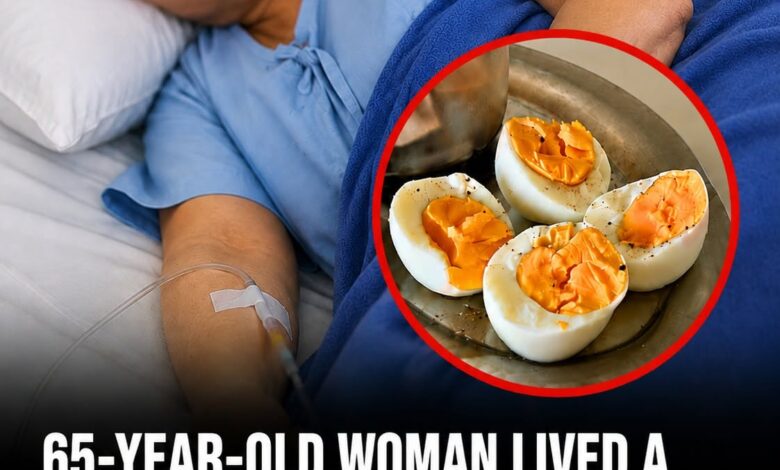
Margaret Thompson was 65, active, attentive to her diet, and regular with medical checkups. Her family therefore had little warning before she developed weakness on one side, difficulty speaking, and dizziness. Doctors confirmed a stroke. The source links the event with a daily breakfast habit, but the important detail is not that eggs are inherently dangerous. It is the way her meals were prepared and what accompanied them.
Margaret reportedly ate heavily seasoned eggs with processed meats and high-sodium condiments. Eggs provide protein, vitamins, minerals, and fats and can fit into a balanced diet for many people. The surrounding pattern may matter more than the egg. Bacon, sausage, salty sauces, large portions, and repeated use of saturated fat can change the nutritional profile of an otherwise simple breakfast.
High sodium intake can contribute to elevated blood pressure in salt-sensitive people. High blood pressure is one of the most important modifiable risk factors for stroke. Processed meats may also add saturated fat and preservatives. No single breakfast proves why a stroke occurred, and the source cannot establish causation from one person’s routine. Risk usually reflects a combination of age, genetics, blood pressure, cholesterol, diabetes, smoking, activity, medication, and other health factors.
A stroke happens when blood flow to part of the brain is blocked or when a blood vessel ruptures. Brain tissue can be injured quickly, so immediate treatment matters. The FAST reminder can help: face drooping, arm weakness, speech difficulty, and time to call emergency services. Sudden confusion, severe headache, loss of balance, vision changes, or one-sided numbness also require urgent attention.
People should not spend time trying to decide whether symptoms will pass. Emergency teams can determine whether a stroke is occurring and which treatments may be appropriate. The time symptoms began, or the last time the person was known to be well, can affect treatment decisions. Calling emergency services is generally safer than driving without medical support.
Healthier egg meals can include boiled or poached eggs, vegetables, whole grains, and little added salt. Cooking with modest amounts of unsaturated fat may be preferable to repeatedly frying in large amounts of butter or animal fat. Portion size and the entire day’s diet still matter. A single ingredient cannot compensate for an otherwise high-sodium pattern.
People with high cholesterol, diabetes, cardiovascular disease, kidney conditions, or specific dietary restrictions should ask a qualified clinician or dietitian for personalized guidance. Nutrition advice should consider laboratory results, medicines, culture, affordability, and preferences. Eliminating eggs without addressing blood pressure or smoking would miss larger risks.
Margaret’s story is best understood as a reminder rather than proof that one cooking method caused one stroke. A person can appear healthy while carrying silent high blood pressure or other risk factors. Regular screening, medication adherence, physical activity, adequate sleep, and a balanced eating pattern work together.
The useful warning is not to fear eggs. It is to look beyond the main item on the plate. Daily additions of salt, processed meat, and heavy sauces can accumulate over time. Small changes in preparation may support heart and brain health, while knowledge of stroke signs can save crucial minutes. Anyone experiencing those signs needs emergency care, not an online dietary diagnosis.
Home blood-pressure monitoring can be useful when performed with a validated cuff and proper technique. Results should be recorded and discussed with a clinician rather than interpreted from one reading. High blood pressure often causes no obvious symptoms, which is why feeling energetic does not guarantee low risk. Screening turns an invisible factor into something that can be managed through medical care and sustainable habits.
Margaret’s recovery and individual medical details remain private in the source. Readers should not turn her experience into a diagnosis for themselves.