Prince William allegedly excluded Camilla Queen Consort from attending awards ceremonies honoring his late mother Princess Diana
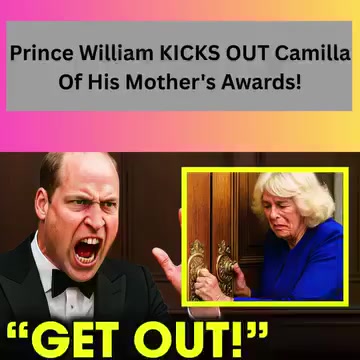
In recent headlines, a dramatic storyline has emerged: Prince William allegedly excluded Camilla, Queen Consort, from attending awards ceremonies honoring his late mother, Princess Diana. While iconic narrative headlines make for striking tabloids, a closer examination reveals a more nuanced reality.
⚖️ The Reality Behind the Rumor There is no verified record or official announcement indicating that Prince William barred Camilla from any event related to The Diana Award or other commemorations of Diana.
It is true, however, that Camilla was not present at a high-profile Diana memorial service in 2007. At the time, Prince William and Harry had invited her, but Camilla later withdrew, stating that her presence “could divert attention from the purpose of the occasion”—the focus being Diana’s life and service
That difference changes the meaning of the story. An invitation followed by a personal decision not to attend is not the same as an exclusion imposed by someone else. Both can produce the same photograph of an event without Camilla, yet they describe very different choices. Looking only at who appears in a room cannot settle why another person is absent.
The 2007 service was intended to remember Diana's life. The explanation attributed to Camilla concerned whether attention to her presence would compete with that purpose. It addressed the focus of a particular occasion, rather than announcing a general rule about every later commemoration. Turning that explanation into a permanent ban would go beyond what the account establishes.
The distinction between a memorial service and an awards ceremony also matters. Events associated with Diana can share her name and charitable legacy while remaining separate occasions with their own arrangements. A decision connected to one event cannot automatically explain the guest list for another. The claim in the headline requires evidence about the event it actually describes.
Public interest in the royal family makes such stories especially easy to compress into a simple conflict. A complicated history becomes a choice between two people; a missing guest becomes proof of a confrontation. That version is easier to repeat, but repetition does not supply the official record that the article says is absent.
Respecting the people involved means resisting the temptation to assign private motives as though they had been announced publicly. The available account can describe the invitation, the withdrawal, and the explanation given for it. It cannot establish unspoken conversations or a later prohibition that it does not document. Those limits are part of understanding the story accurately.
Diana's memory remains the stated purpose of the commemorations discussed here. Keeping that purpose in view avoids allowing speculation about attendance to overwhelm the person being remembered. The relevant conclusion is modest: this article provides no verified announcement that William barred Camilla from Diana-related ceremonies. It instead points to a past decision by Camilla to avoid drawing attention away from a memorial. The two accounts should not be treated as interchangeable simply because both involve her absence.
The distinction preserves the meaning of the explanation actually given about that particular memorial occasion.