Girl was hospitalized for trying a See more
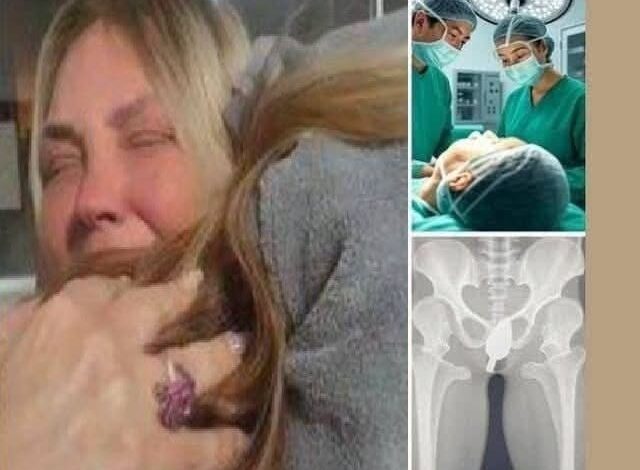
A young girl was hospitalized recently after attempting a risky activity at home. Authorities report that the incident caused injuries that required immediate medical attention. She is currently under observation, and doctors say she is receiving the care needed for a full recovery.
Medical professionals emphasized that children sometimes try activities they see online or from peers without understanding the potential risks. Parents and guardians are encouraged to supervise their children closely and educate them about safety to prevent accidents.
Witnesses say the girl attempted the activity out of curiosity and did not intend to harm herself. Experts recommend discussing the dangers of unsafe challenges with children and providing safe alternatives for fun and learning.
Authorities continue to review the circumstances of the incident. Families are reminded to remain vigilant, encourage open communication with their children, and report any unsafe trends that could lead to injury.
The account does not identify the activity, and that omission matters. Without knowing what happened, it would be easy to attach the incident to a familiar online challenge or to assume a friend encouraged her. Neither detail is established. Witnesses describe curiosity as the reason she tried it. The available information says she was hurt at home, needed immediate medical attention, and remained under observation.
Observation gives the medical team time to see how a patient is doing after the first assessment. A report that doctors are providing the care she needs is an update about what is happening at the hospital. It leaves open how long she will stay and what recovery will involve. Those details can only come from the people involved in her care, and the account does not provide them.
For families, the report raises a more specific question than whether children are curious. It asks how they decide what is safe to imitate. A brief clip or a story passed between friends may leave out the setup that made an activity possible or the consequences that followed. A child may see an action and assume that because it looks simple, there is little reason to pause before trying it. Adults may only learn about the activity after the child has already acted on that assumption.
A conversation about what the child saw can help make sense of the decision without presuming the child intended to take a serious risk. What looked interesting about it? What did they expect to happen? Was there anything in the example that made the activity seem safer than it was? Those questions address the curiosity witnesses described and give adults a chance to discuss a safer way to explore the same interest.
Authorities are still reviewing the circumstances. Until that work provides a clearer account, the incident offers a reason to pay attention to how risky activities are presented to children. It leaves the identity of the activity, the details of the injury, and the timetable for recovery open. The immediate focus remains the care the girl is receiving and the family’s ability to understand what led up to the accident.