It is with a heavy heart that we share the news of the passing of this beloved actor
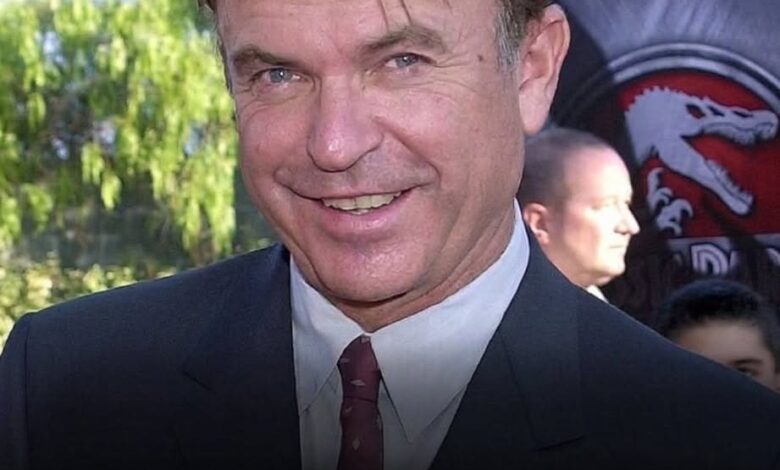
The film world is mourning the reported loss of beloved New Zealand actor Sam Neill, famous for Jurassic Park. According to the provided report, he passed away suddenly at age 78 in Sydney, surrounded by family. Neill built a remarkable career spanning five decades, starring in The Piano, Dead Calm, and Peaky Blinders. His reported passing leaves behind a lasting legacy and generations of fans who admired his unforgettable performances.
The brief account presents the news as a reported loss, but it does not include a family statement, an announcement from a representative, or an explanation of the circumstances. It also does not supply a cause. Those omissions are important when discussing the life of a widely recognized actor, because a short tribute can travel far beyond the information on which it was originally based.
Neill's screen career is the central subject of the remembrance. The titles named in the report span different kinds of storytelling, from the large-scale adventure of Jurassic Park to the distinctive dramatic worlds associated with The Piano and Dead Calm. That range helps explain why audiences may know the same performer through very different films and stages of their own lives.
A familiar screen presence can become connected to a viewer's personal memories. A first visit to the cinema, a film watched with family, or a performance discovered years later can all shape that connection. When a name associated with those experiences appears in a dramatic headline, the emotional response may arrive before readers have had time to examine what the report actually says.
The supplied paragraph describes a career lasting five decades and refers to generations of fans. Its emphasis is on that body of work rather than on detailed events in the actor's private life. A fuller account would need to distinguish an appreciation of his performances from any new claim about his health or current circumstances. One should not be used as proof of the other.
The phrase that he was surrounded by family is included in the report, but no relatives are named or quoted. It would therefore be inappropriate to add imagined final conversations, private wishes, or plans for a public memorial. Such details may sound fitting in a tribute while having no foundation in the information provided.
What can be discussed without filling those gaps is the lasting relationship between an actor's work and the people who watch it. Films remain available for audiences to revisit, compare, and discover. A performance can carry meaning long after its original release, and a varied career can invite a new generation to explore work they have not yet seen.
The account's reporting limits should remain visible alongside its appreciation of that career. Remembering the roles and the response they inspired is different from establishing an unconfirmed announcement. Keeping those questions separate allows respect for the performer and his family without supplying facts that the short report does not contain. The names of the films offer a useful starting point for readers who want to revisit the performances behind the public affection described in the account.