HERE WE GO Iran just responded back
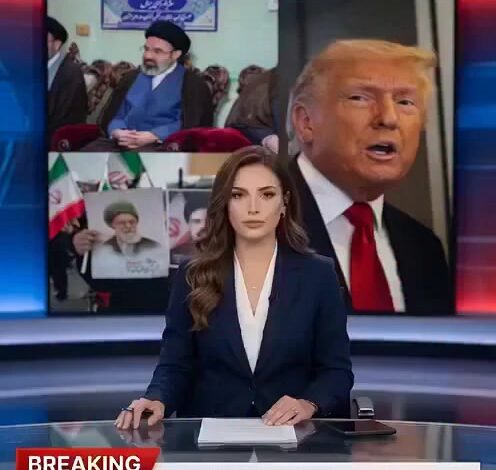
The first explosions shattered more than buildings. They also shattered the belief that the conflict could still be contained. As jets from the United States and Israel reportedly struck targets in Iran, the world watched a dangerous new chapter unfold.
Inside Tehran, military commanders rushed to assess the situation. Allies across the region reacted cautiously, while global markets immediately felt the shock. One question quickly spread across governments and households alike: would this escalation trigger a wider war?
The strikes were part of an operation reportedly named Operation Epic Fury, described by U.S. and Israeli officials as a major effort to weaken Iran’s military and nuclear capabilities.
Officials from both countries argued that the operation targeted infrastructure they believed posed an imminent threat. They said the strikes were intended to prevent future attacks and disrupt critical military systems.
Images and videos circulating online showed damaged compounds and destroyed air-defense installations. At the same time, Iranian state media claimed that some missiles had been intercepted and warned that retaliation would follow.
Iranian leaders responded with strong language, promising what they called “devastating revenge.” The statements raised concerns that the confrontation could escalate beyond a single round of strikes.
Behind the scenes, diplomats from Europe and other regions quickly began urging restraint. Several governments warned that further escalation could destabilize the entire Middle East.
Meanwhile, ordinary families in cities such as Tehran and Tel Aviv waited anxiously for news. Many checked their phones and listened for sirens, unsure whether the night’s explosions would remain an isolated event or mark the beginning of a much larger conflict.
The competing statements leave a substantial distance between what each side says it intended and what the reported strikes actually achieved. Descriptions of military and nuclear targets explain the justification offered by American and Israeli officials. They do not, by themselves, establish the condition of every target afterward or settle the broader consequences of the operation. The account gives no detailed assessment of those outcomes.
The same distinction applies to the Iranian response. Warnings of retaliation convey the position expressed by leaders, while claims of intercepted missiles describe events asserted by state media. Neither statement tells the reader what the next move will be. The uncertainty is part of the situation described, especially for people trying to understand whether the confrontation will expand.
Images of damaged sites add to the sense of urgency, but the brief account does not provide a full record of where each image was taken, when it was recorded, or how the damage was assessed. No casualty figures or detailed timetable are supplied. Those gaps leave the extent of the immediate impact unresolved rather than establishing that there was none.
For families listening for sirens, those unanswered questions have a different weight than they do in official statements. The concern is whether another alert will come and whether the violence will move closer to daily life. The diplomatic calls for restraint speak to that fear of further escalation. The account ends with people waiting, and it provides no later agreement, military outcome, or resolution that would bring that waiting to an end.