Back to the Future actor dead at 89
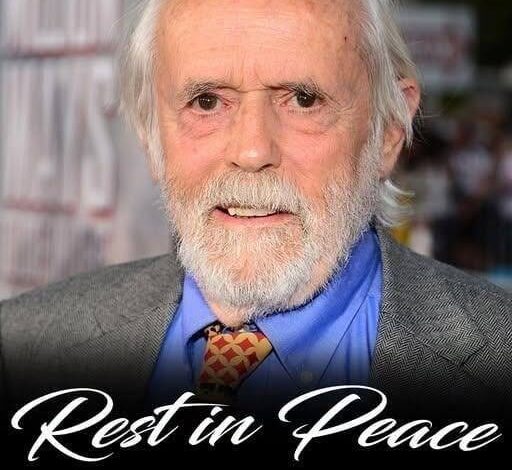
Hollywood has lost a face that made its stories feel real. Matt Clark, the veteran actor whose quiet presence shaped decades of films and television, has died at 89 after complications his family linked to routine back surgery. Behind the familiar bartender and weathered Western figures was a life whose richest chapters unfolded far beyond the bright Hollywood spotlight.
Across six decades and more than 120 film and television roles, Clark made supporting characters feel indispensable. He played sheriffs, ranch hands, drifters, and working men with an understated conviction that helped ground the worlds around them. His appearance as the bartender in “Back to the Future Part III” remains especially recognizable, while his Western credits placed him alongside John Wayne and Paul Newman. He rarely needed center stage to leave an impression; his strength was making a scene believable.
Away from the cameras, that same practical spirit shaped his days. Clark built his own house by hand and sustained friendships lasting sixty years, creating a life measured in more than screen credits. He leaves behind a loving family and performances that audiences can continue to discover. His name might not always have come immediately to viewers, but his presence belonged to the stories they remembered—and will return to.
A supporting actor's work often becomes part of a viewer's memory before the actor's name does. The bartender, the sheriff, or the working man helps establish the world in which the leading characters move. When those performances feel natural, audiences may take them for granted, even though they are part of what makes a scene convincing. Clark's career, as described by his many roles, was built around that kind of contribution.
His appearance in Back to the Future Part III illustrates how a relatively small part can connect an actor with a film that audiences continue revisiting. Recognition does not always depend on a central role or a long speech. It can come from a familiar face placed exactly where the story needs it, giving an imagined setting the texture of an inhabited place.
The Western roles mentioned in the account form another part of that legacy. Sheriffs, ranch hands, and drifters carry different relationships to a story, but each must seem to have a life beyond the moment on screen. The understated conviction associated with Clark's performances helped supply that sense of experience. His work alongside well-known stars was a contribution to the whole film rather than an attempt to dominate it.
The details about his private life broaden the remembrance beyond those screen appearances. Building a house by hand suggests a practical commitment to making something durable, while friendships lasting six decades speak to connections maintained over time. Those details do not replace his acting achievements; they place the career within a longer human life.
For his family and friends, the loss is personal. For viewers, the performances remain available in the films and television episodes he helped bring to life. Returning to them offers a way to recognize the steady presence of an actor whose work made many other people's stories feel complete.