My Daughter Demanded 800 Monthly and Babysitting So I Rented My Own House
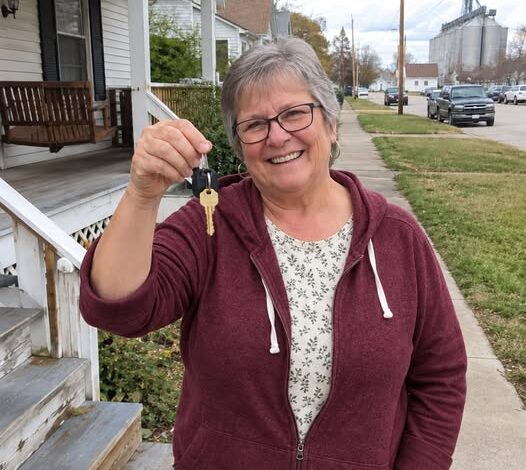
At sixty-seven, the narrator lived on $1,640 a month in Social Security after losing her husband, Dale, and leaving their farmhouse of thirty-one years. Her daughter, Michelle, and son-in-law, Todd, offered her a room for $800 monthly, covering rent, utilities, groceries, and four days of childcare each week. Feeling the arrangement would consume nearly half her income while making her a full-time babysitter, she asked for time to think. Instead, she rented a small house from Mr. Brandt for $550 a month, choosing independence over an arrangement that made her feel like an employee.
When Michelle discovered the move, she became furious, accusing her mother of preferring a stranger over family. The narrator explained that she wanted to remain Michelle’s mother rather than become her renter. Although she missed her grandchildren, she believed having a home of her own was important. Soon, she learned Mr. Brandt was struggling with his store’s accounts. Drawing on twenty-two years of bookkeeping experience, she organized his records, corrected his ledger, and found unpaid invoices.
Grateful for her help, Mr. Brandt reduced her rent to $400 in exchange for bookkeeping every Friday. Her little house became an opportunity rather than a sacrifice. Ten days later, Michelle and Todd arrived with a budget showing they were losing $310 monthly after Todd’s overtime hours had been cut. The narrator finally understood that the $800 demand had come from financial desperation rather than simple greed.
Michelle admitted she had called the arrangement “earning my keep” because she was too proud to ask her mother for help directly. The narrator forgave them but proposed a healthier alternative. She would care for the children on Tuesdays and Thursdays without charging, in her own home. Michelle and Todd could visit whenever they wished, provided they respected her time and independence.
That Saturday, the grandchildren arrived with pajamas, stuffed animals, and excitement. Sadie discovered the porch swing, while her brother claimed a spot beside the window. Their laughter filled the house with warmth the narrator had missed since Dale’s death. Later, Sadie hugged her grandmother and whispered that she loved the house because she could see her everywhere. The narrator realized that independence had not separated her from her grandchildren; it had created a more joyful place for them to connect.
Michelle began visiting more often, sometimes bringing groceries or sharing coffee. Todd thanked the narrator for helping them through their financial difficulties, and she reminded him that asking for help was nothing to be ashamed of. With two keys, meaningful work, and grandchildren who visited willingly, she discovered that family love did not require surrendering independence. Her small house became a home where affection could flourish without guilt, financial pressure, or resentment.
The difference between the two arrangements was not simply the amount written on a budget. In her daughter's basement, the narrator would have been paying for a room while accepting an ongoing responsibility for the children. In her own house, she could decide when to help and still have a place to return to as herself. That distinction mattered after years of loss and change. She wanted to be useful, but usefulness did not have to mean giving up control over every part of her day. The later visits showed that affection could survive a clear boundary. Her grandchildren came because they enjoyed being with her, and the adults could speak more honestly about what they needed. A smaller rent payment helped her finances, while a separate front door helped protect the family relationship she had wanted to preserve all along.