Miley Cyrus Honors Dolly Parton Through Music and a Deeply Personal Tribute
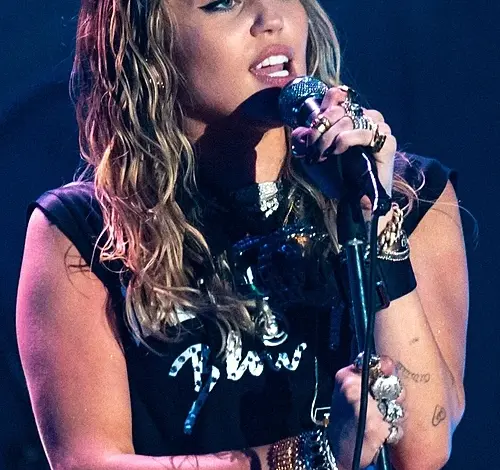
Miley Cyrus’s tribute to Dolly Parton drew its emotional force from the relationship behind their public performances. In an Instagram message reported by the Associated Press on August 25, 2026, Cyrus described some of their most meaningful moments as private and said they would remain that way. She also recalled a recent conversation about music and change. Her message was intimate rather than theatrical, expressing a desire to keep making Parton proud while holding their personal memories close. Associated Press tribute report
Their musical connection had already given audiences moments they could share. At the 2019 Grammy Awards, Cyrus joined Parton for a duet of Jolene during a larger celebration of Parton’s career. Singing with her godmother made Cyrus’s participation more than an appearance in a celebrity lineup. The performance brought a personal bond onto a public stage without needing a speech to explain why the pairing mattered.
That Grammy medley moved through several combinations of performers. Kacey Musgraves and Katy Perry joined Parton for Here You Come Again. After the Jolene duet, Maren Morris sang with Parton and Cyrus on After the Gold Rush. Little Big Town accompanied Parton on Red Shoes, and the tribute reached its finale with 9 to 5. Familiar songs and a newer selection shared the program, allowing the celebration to look beyond a single period of Parton’s work. Recording Academy performance recap
The duet was not their first televised meeting over Jolene. In November 2016, Parton and Cyrus performed it on The Voice alongside Pentatonix. That earlier appearance placed another interpretation of the song beside their shared vocals. Seen together, the two performances show that Cyrus’s connection to Parton’s music was expressed repeatedly through singing, not confined to one award ceremony or one message on social media. TIME on the 2016 performance
The 2019 celebration also had a purpose beyond the televised medley. Parton was that year’s MusiCares Person of the Year, and Cyrus was among the performers announced for the separate February 8 tribute concert in Los Angeles. The event recognized Parton’s creative achievements and charitable work while raising support for people across the music community who needed assistance.
MusiCares described that assistance in practical terms, including help during financial, medical, and personal difficulties. Its programs addressed needs such as basic living expenses and medical bills. That context gave the week’s celebrations another dimension: honoring a famous musician could also support people whose work in music did not necessarily come with public recognition or financial security. The concert, dinner, and fundraising activities connected appreciation for Parton with resources intended to help others. Recording Academy MusiCares announcement
Cyrus’s participation fits within both sides of that celebration. She was a performer interpreting songs familiar to a large audience and a goddaughter honoring someone important in her own life. Those roles do not require the same kind of disclosure. A duet can belong to everyone watching, while the memories that give it personal meaning can remain with the people who shared them.
That balance is what makes the tribute compelling. The public record contains the performances, the collaborations, and the occasions on which Cyrus stood beside Parton. Her personal message leaves room for a relationship larger than that record. Rather than offering every private detail for an audience to examine, it lets the music carry what can be shared and protects what cannot.
Illustrative photo of Miley Cyrus at Primavera Sound in May 2019, not the Grammy tribute. Photo by Raphael Pour-Hashemi, CC BY 2.0. Existing Wikimedia crop, resized for display.
_(cropped).jpg)