THE MOST POTENT HERB THAT DESTROYS PARASITES, URINARY TRACT …
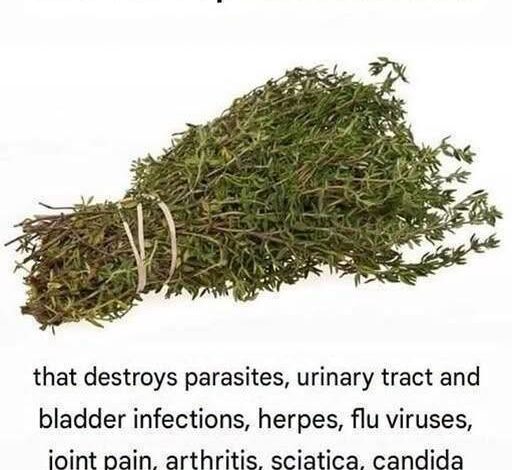
A headline promising one herb that destroys parasites and urinary tract infections suggests a certainty that medical evidence does not support. Oregano oil, uva ursi, and wormwood are often promoted for these problems, but laboratory activity, traditional use, and reliable treatment in people are not the same thing. Potent also does not mean safe or appropriate.
Oregano contains compounds such as carvacrol and thymol that show antimicrobial effects in laboratory studies. Some limited research has examined particular supplements against selected intestinal organisms or bacteria. Those findings do not establish oregano oil as a dependable cure for every parasite or a replacement for diagnosis and standard UTI treatment.
A urinary tract infection usually develops when bacteria enter the urethra and multiply in the urinary system. Burning during urination, frequent urges, lower abdominal discomfort, or blood in the urine can occur. A kidney infection may add fever, chills, back or side pain, nausea, or vomiting and can become serious.
The Centers for Disease Control and Prevention explains that clinicians diagnose UTIs through symptoms, examination, and urine testing when needed. Antibiotics treat bacterial UTIs, with the specific medicine chosen by a healthcare professional. Delaying appropriate care while experimenting with herbs can allow infection to spread toward the kidneys.
Oregano essential oil is highly concentrated. Swallowing it undiluted can irritate the mouth and digestive tract, and medicinal amounts may cause stomach upset or interact with medicines. Products also vary in concentration and purity, so a dose from one study cannot be applied automatically to every bottle sold online.
Uva ursi, also called bearberry, has a long history of traditional urinary use. Its arbutin is converted into compounds that can affect bacteria in laboratory conditions. Modern clinical evidence remains insufficient to rely on it as a standard UTI treatment. Concerns about hydroquinone exposure also make prolonged or unsupervised use inappropriate.
Children, pregnant or breastfeeding people, and anyone with liver or kidney disease should be especially cautious with concentrated herbal products. Older adults and people taking several prescriptions can face interactions that are not obvious from a natural label. A pharmacist or clinician should review the exact product before use.
Wormwood illustrates the danger of equating stronger with better. It has a history of antiparasitic use, but some preparations contain thujone and can be toxic. Risks may involve the nervous system and liver, and the plant should not be included casually in a broad cure-all mixture.
Suspected intestinal parasites also require identification. Different organisms need different tests and treatments. Symptoms such as diarrhea, abdominal pain, weight loss, or fatigue have many causes, and taking an unproven supplement can obscure the problem without eliminating it.
Hydration and general hygiene may support comfort and prevention, but they do not guarantee an infection will clear. Anyone with severe pain, fever, vomiting, confusion, pregnancy, recurrent symptoms, or signs of kidney involvement should seek prompt care.
There is no universal most potent herb that safely destroys all parasites and UTIs. Oregano oil and uva ursi have interesting compounds and traditional histories, but evidence, dosing, product quality, and safety limitations matter. Herbal products may be discussed as supplements with a professional, never as a reason to skip testing or proven treatment.
Supplement labels can complicate the issue further. Essential oil, diluted oil, dried herb, and standardized capsule are not interchangeable preparations. A number printed in milligrams does not reveal the same concentration across products, and online testimonials cannot establish purity or effectiveness.
Seek urgent help for fever with flank pain, severe weakness, confusion, inability to drink, or worsening symptoms during pregnancy. These may signal an infection that needs rapid assessment. The safest use of any herb begins after the condition has been identified, not as a substitute for finding out what is wrong.